Weed / Invasive Risk
-
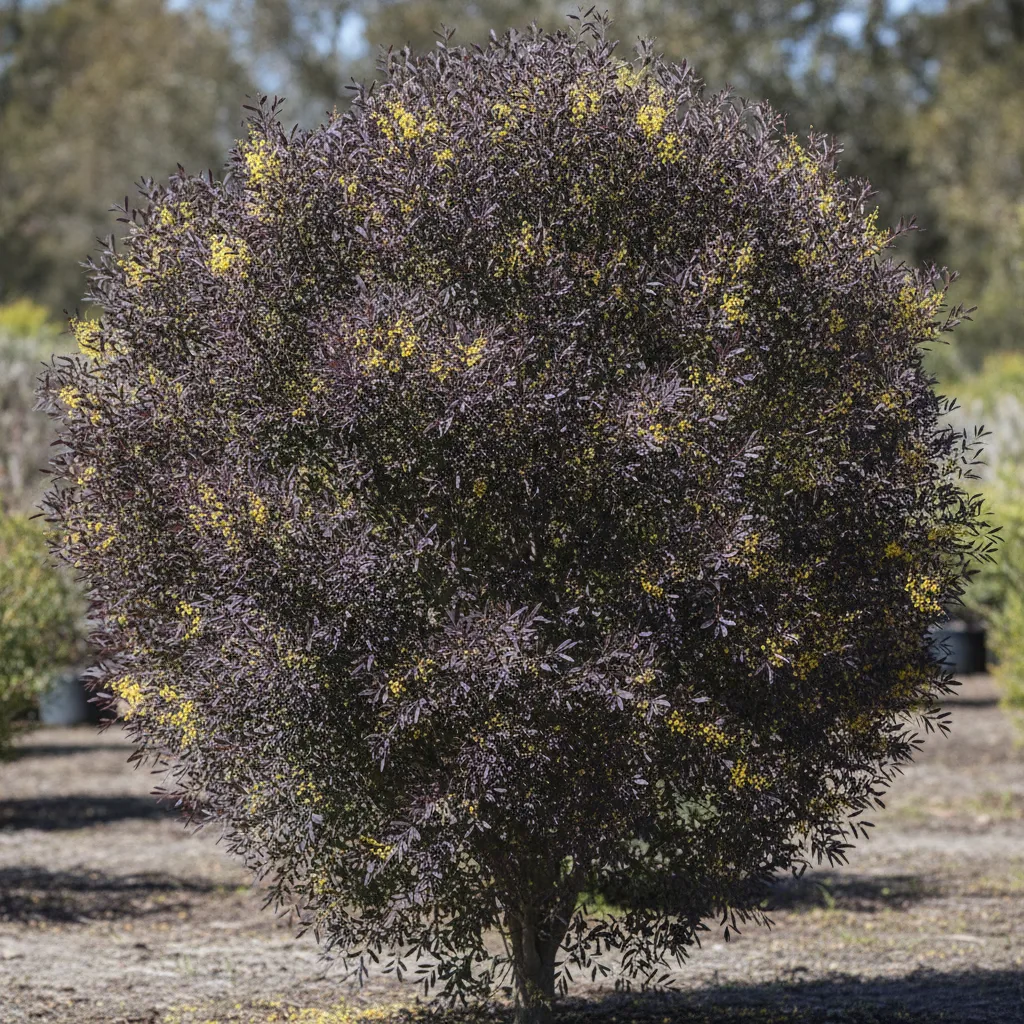 Purple-leaf Cootamundra Wattle · Acacia baileyana 'Purpurea' A fast small tree with ferny blue-grey foliage flushed purple on new growth, smothered in fragrant golden ball flowers in late winter. Showy but can self-seed beyond its range.
 -
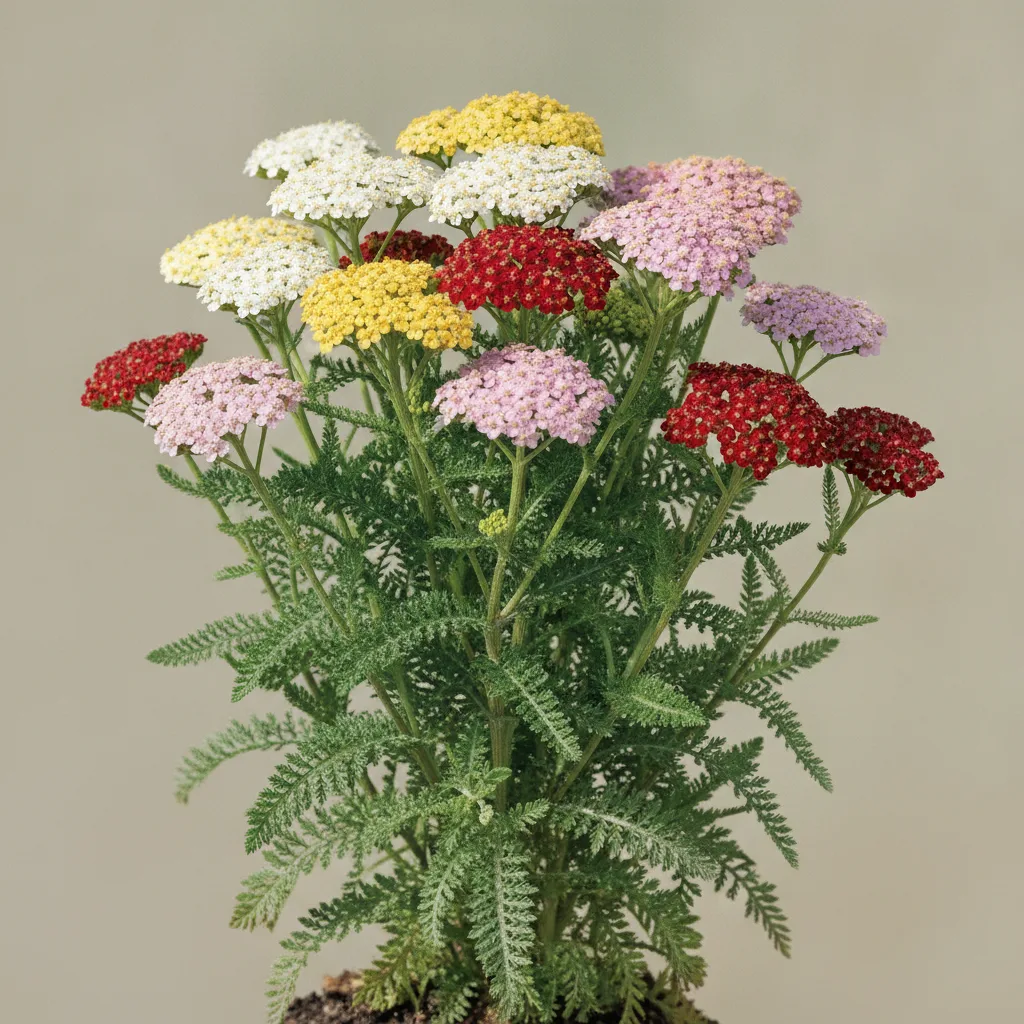 Yarrow · Achillea millefolium Flat-topped flower plates over ferny aromatic foliage, exceptionally tough in poor dry soils and a haven for beneficial insects. Vigorous and spreading, so give it room.
 -
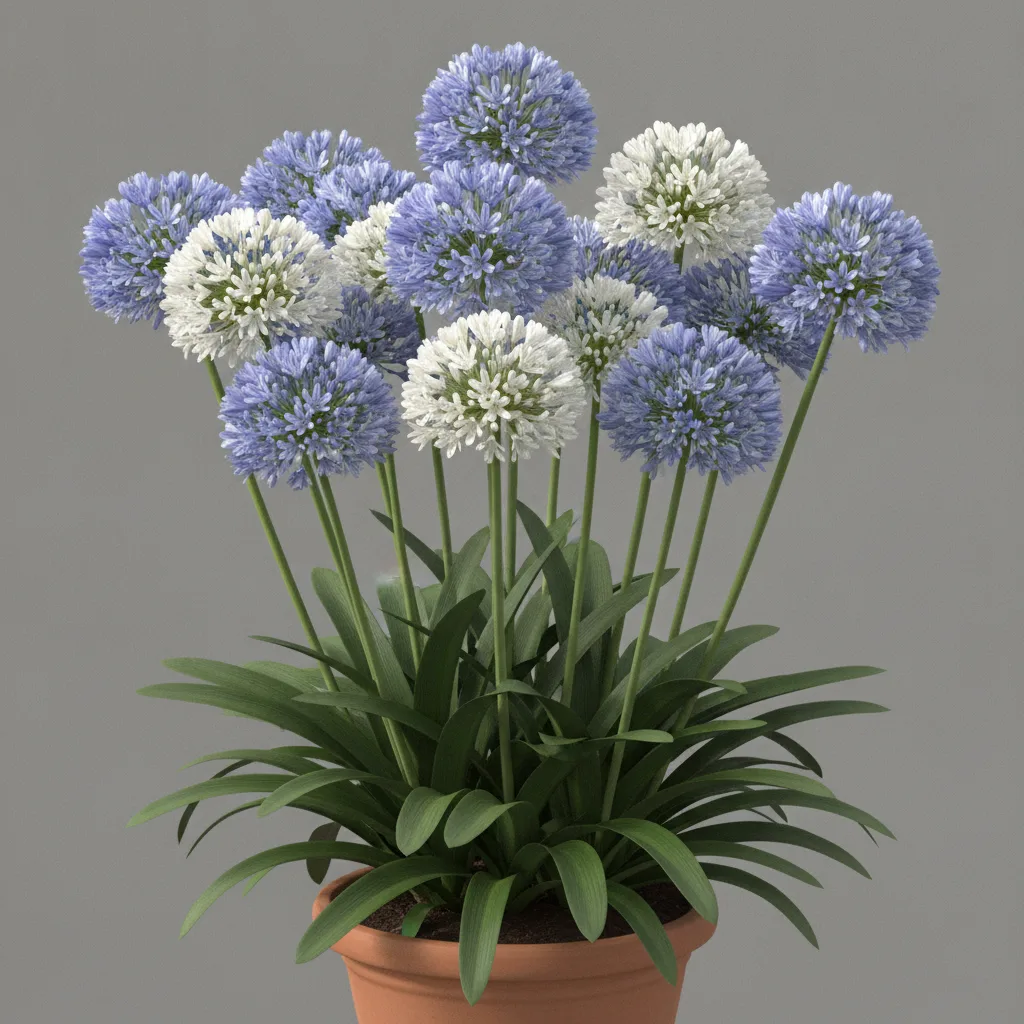 Agapanthus · Agapanthus praecox Spheres of blue or white flowers on tall stems above strappy clumps — a tough, drought-proof mass-planting staple. Choose sterile forms, as the species can self-seed into bushland.
 -
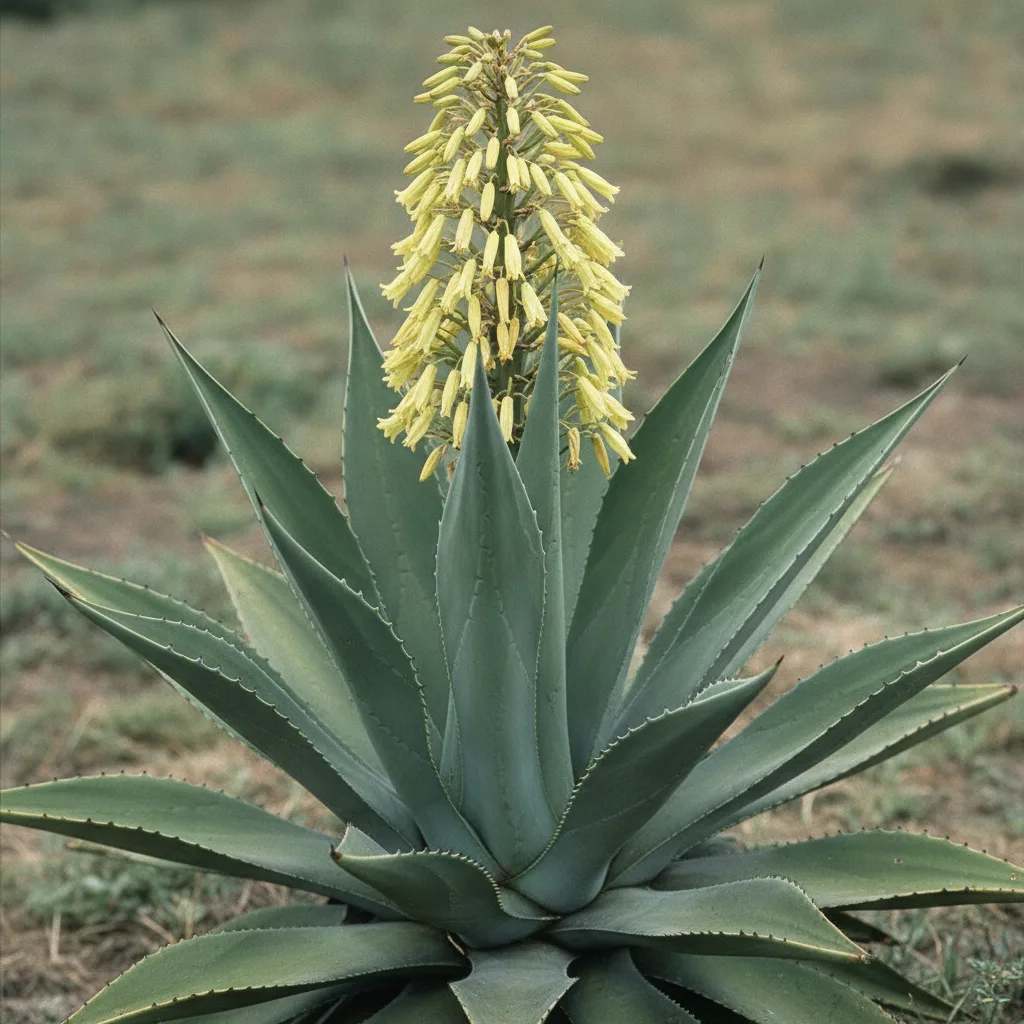 Century Plant · Agave americana A massive architectural rosette of thick blue-grey leaves armed with sharp spines and a vicious terminal spike, crowned after decades by a towering branched flower stalk. A bold drought-proof sculptural plant.
 -
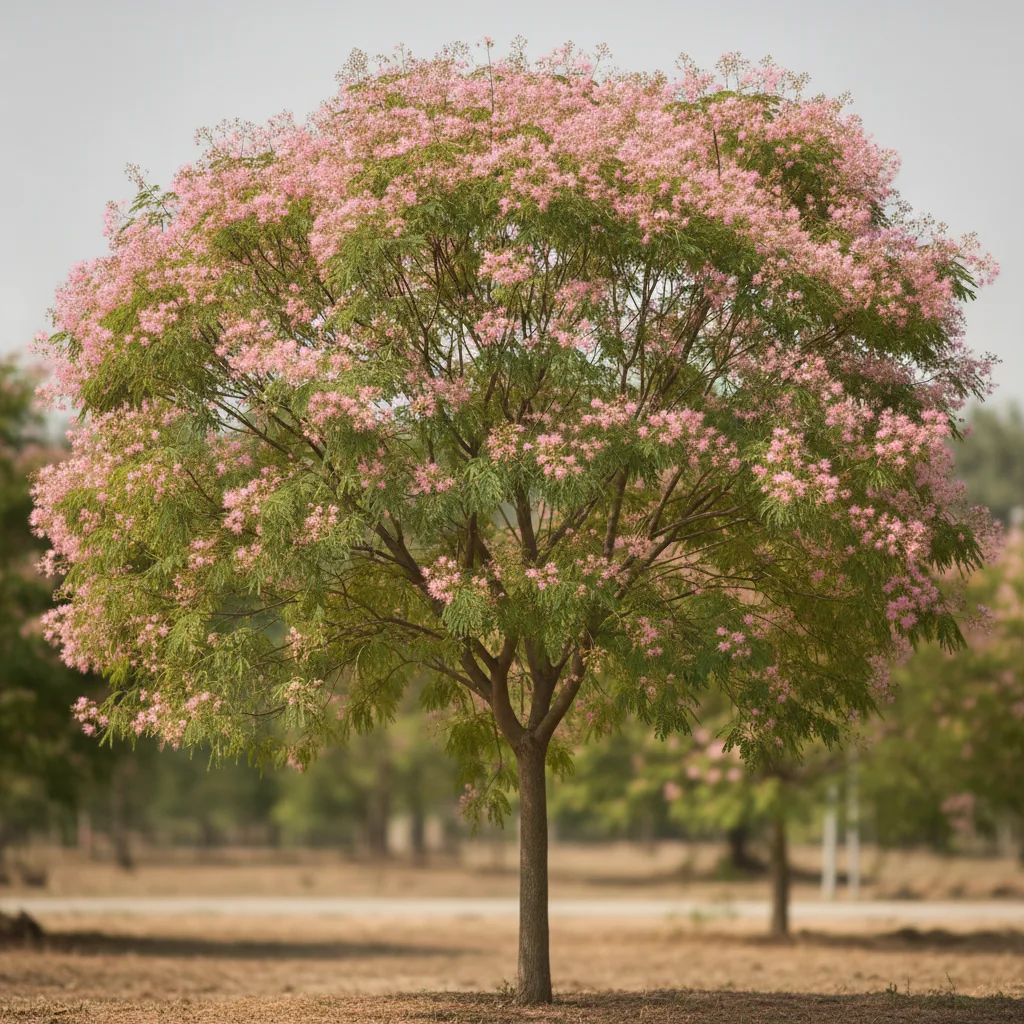 Silk Tree · Albizia julibrissin A spreading umbrella-shaped tree with feathery ferny foliage and fluffy pink powderpuff flowers through summer that draw butterflies and bees. Gives light, elegant dappled shade.
 -
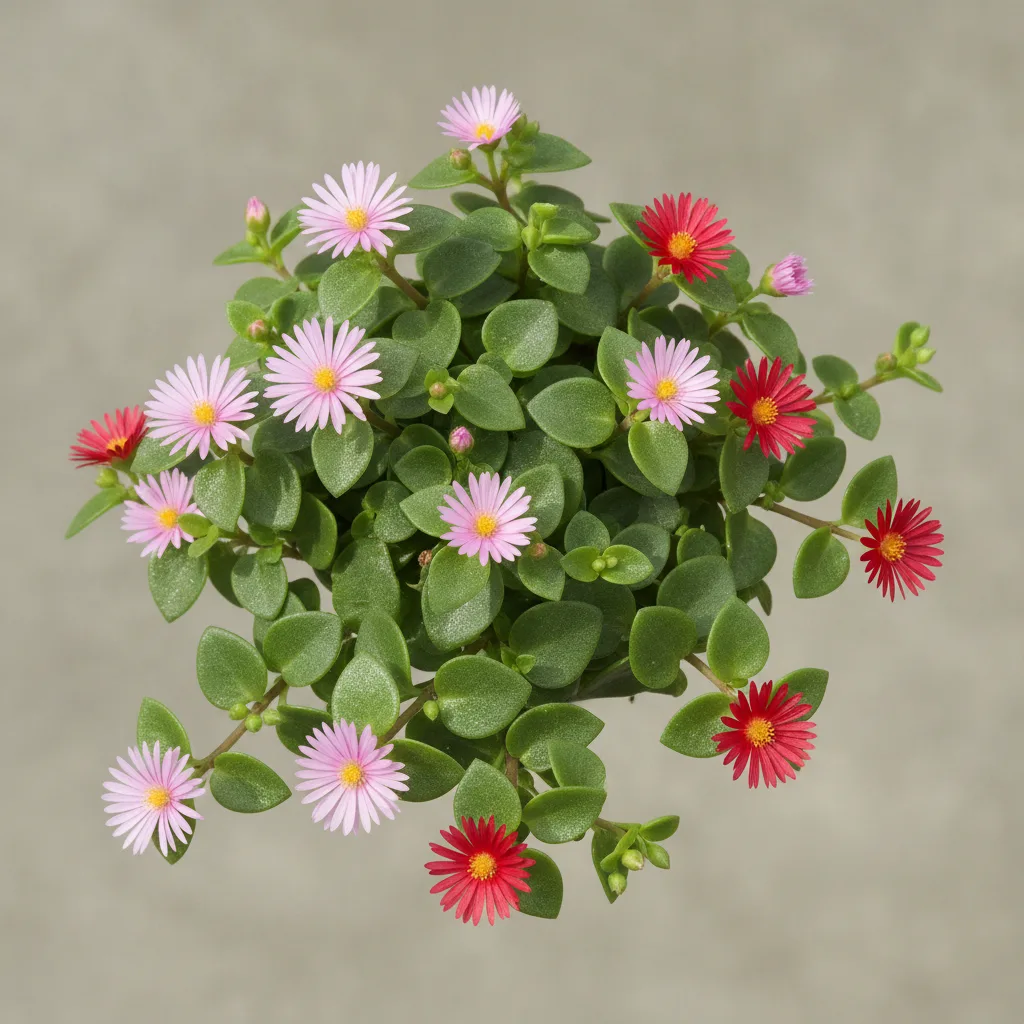 Heartleaf Iceplant · Aptenia cordifolia A fast spreading trailing succulent with heart-shaped glistening green leaves and bright magenta daisy-like flowers through the warm months. A vigorous water-wise groundcover and basket plant.
 -
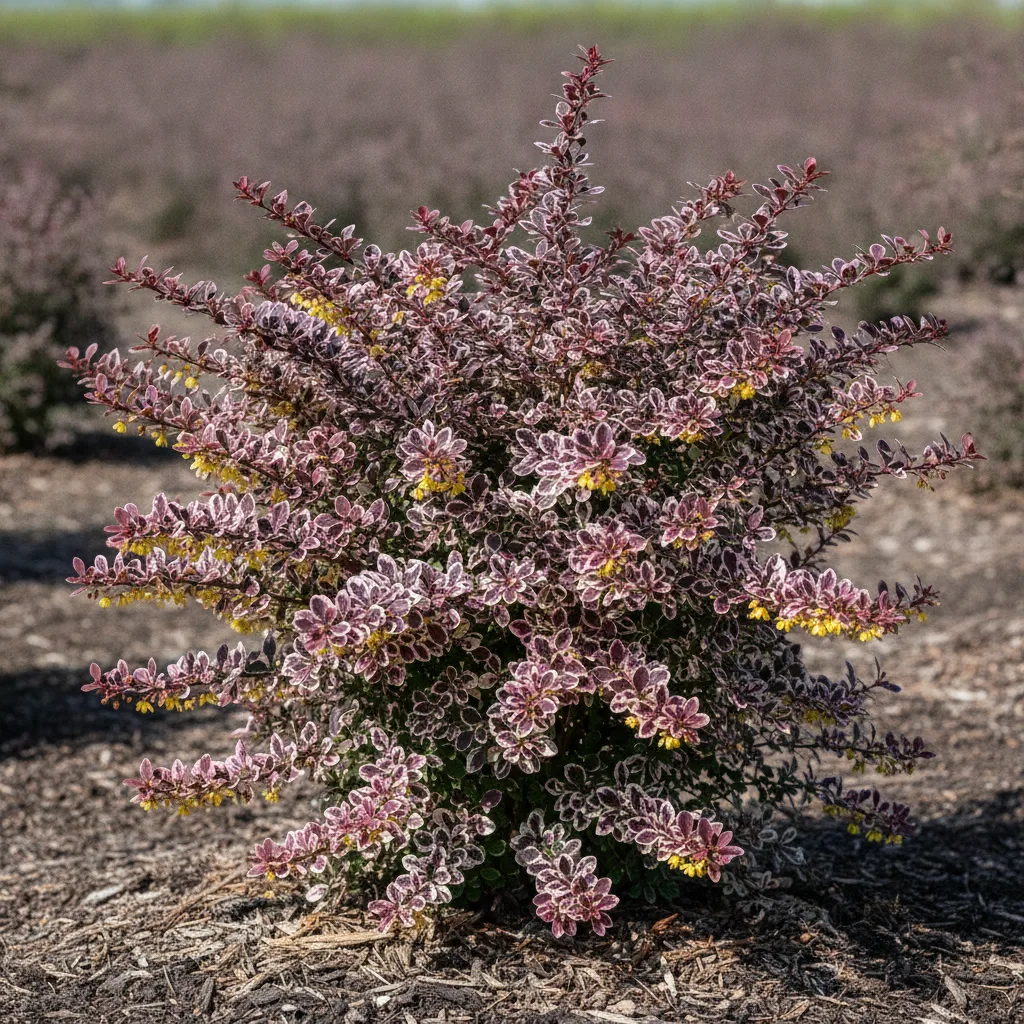 Rose Glow Barberry · Berberis thunbergii 'Rose Glow' A purple-leaved barberry whose new growth is mottled rose-pink and silvery-white over a deep wine base, deepening to scarlet in autumn. Thorny and colourful for hedging, though it can self-seed and is a weed risk in some regions.
 -
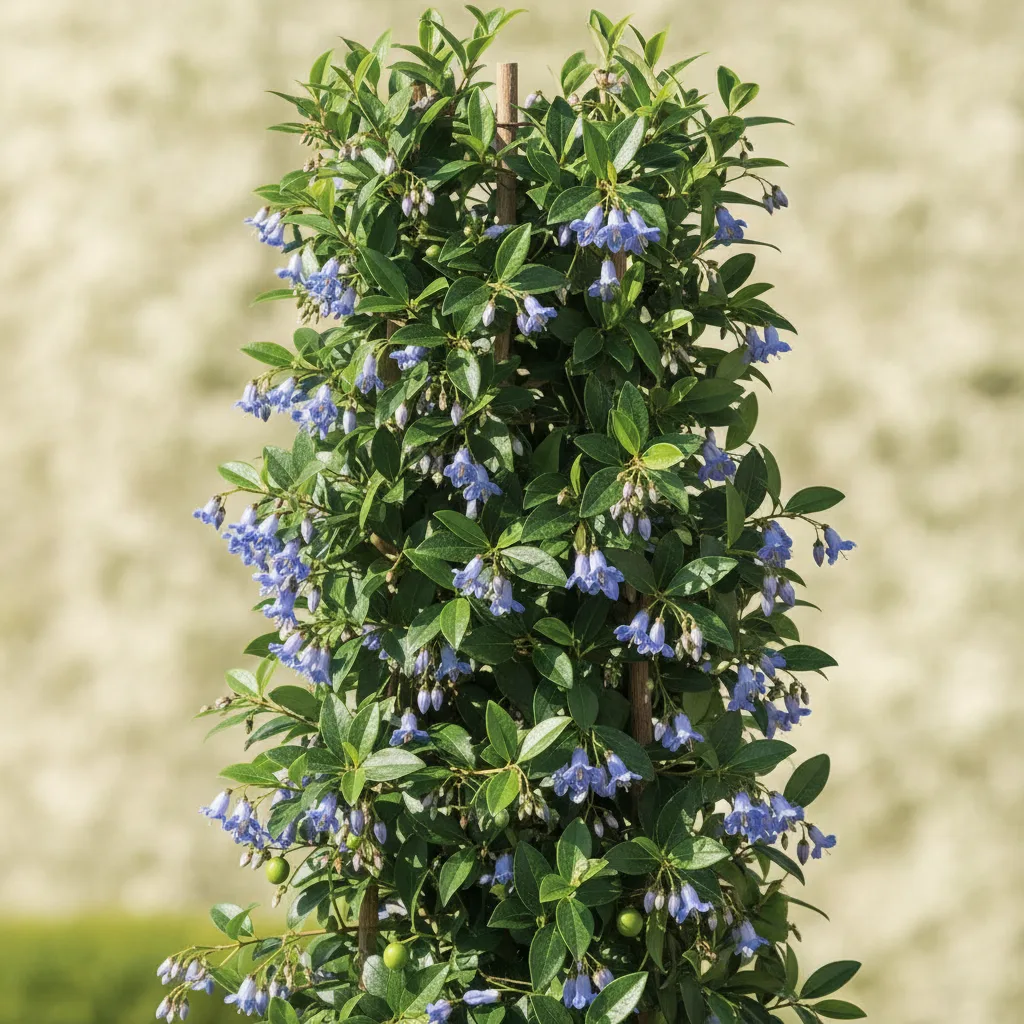 Bluebell Creeper · Billardiera heterophylla A dainty Western Australian native twiner hung with nodding clusters of bright blue bell flowers through the warmer months, followed by blue berries. Pretty and hardy, but a weed risk outside its native range.
 -
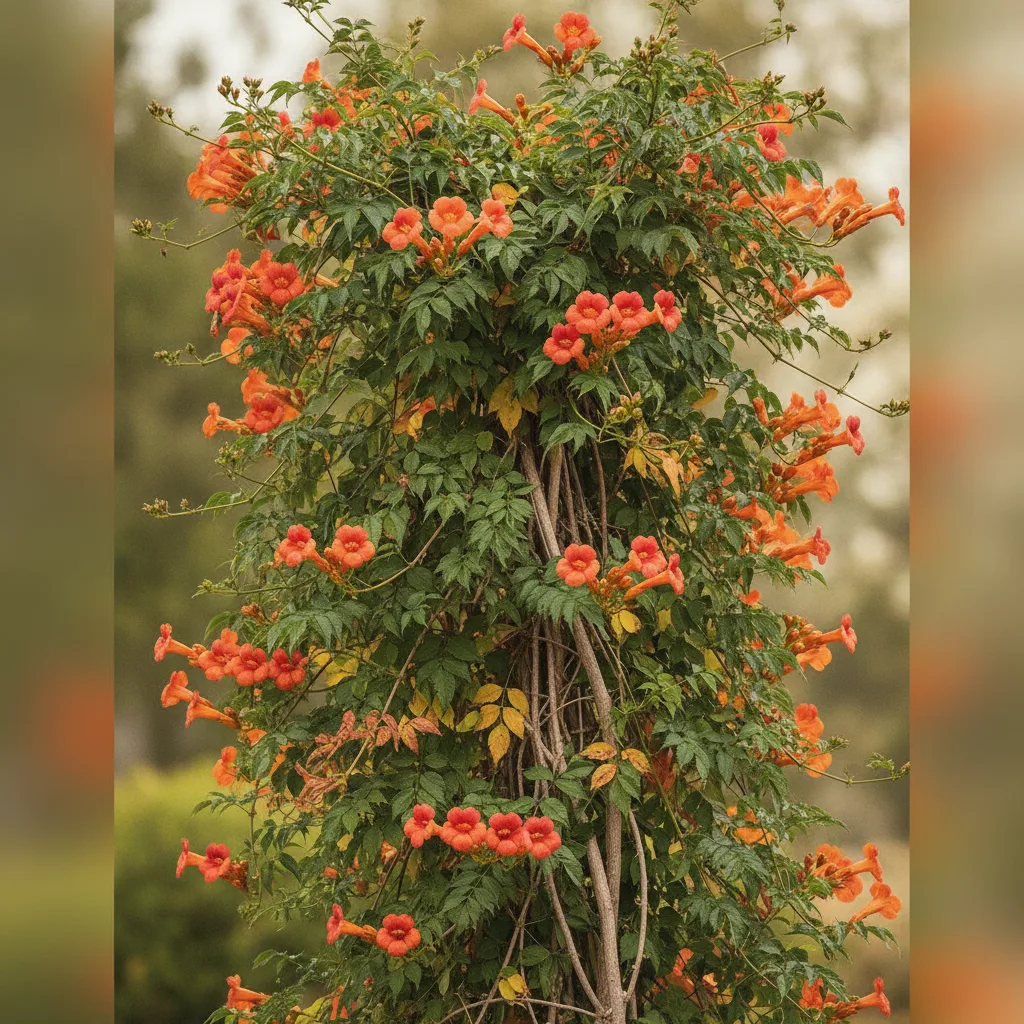 Trumpet Vine · Campsis radicans A vigorous, self-clinging deciduous climber bearing bold clusters of orange-red trumpet flowers through summer that draw nectar-feeding birds. Robust and showy, but suckering and best given firm support.
 -
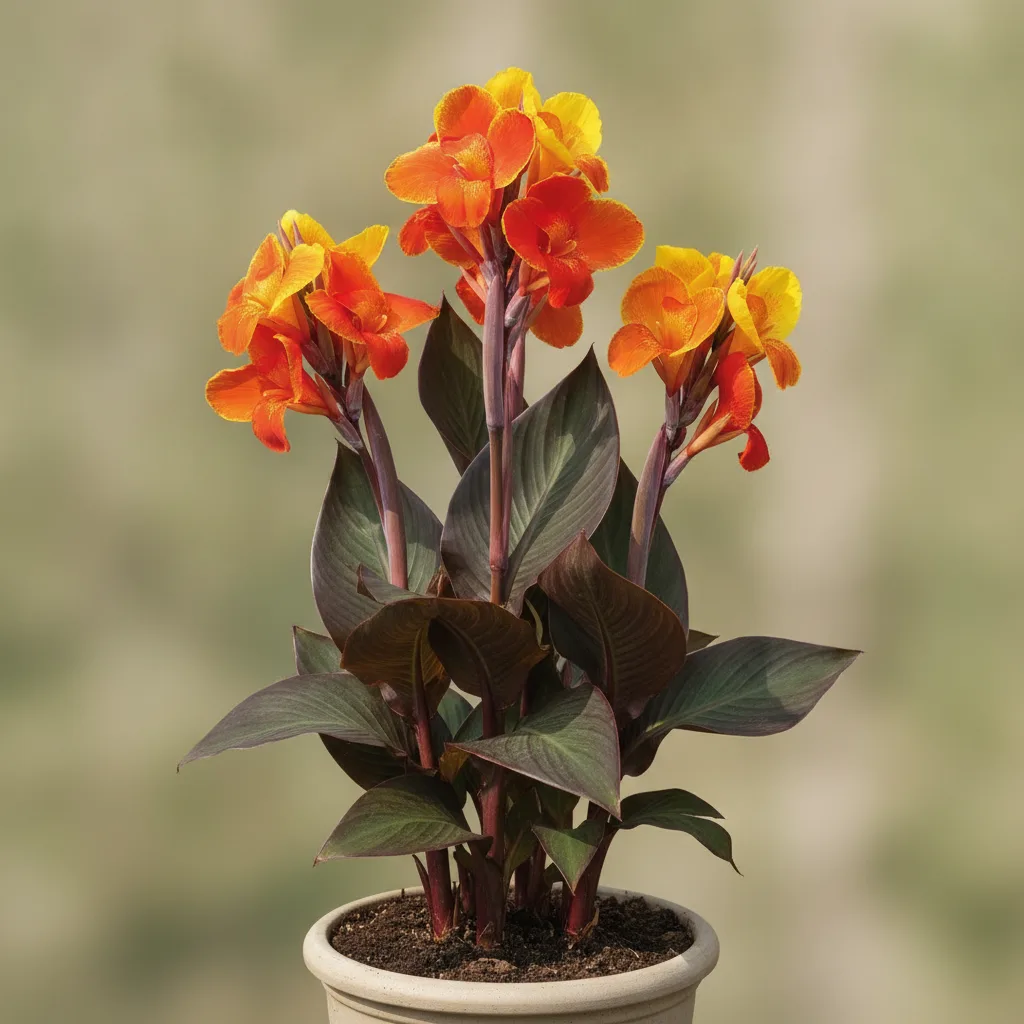 Canna Lily · Canna indica Bold paddle-shaped leaves, often bronze or striped, topped by vivid tropical flowers all summer. Lush and fast in warmth, but the rhizomes can become invasive near waterways.
 -
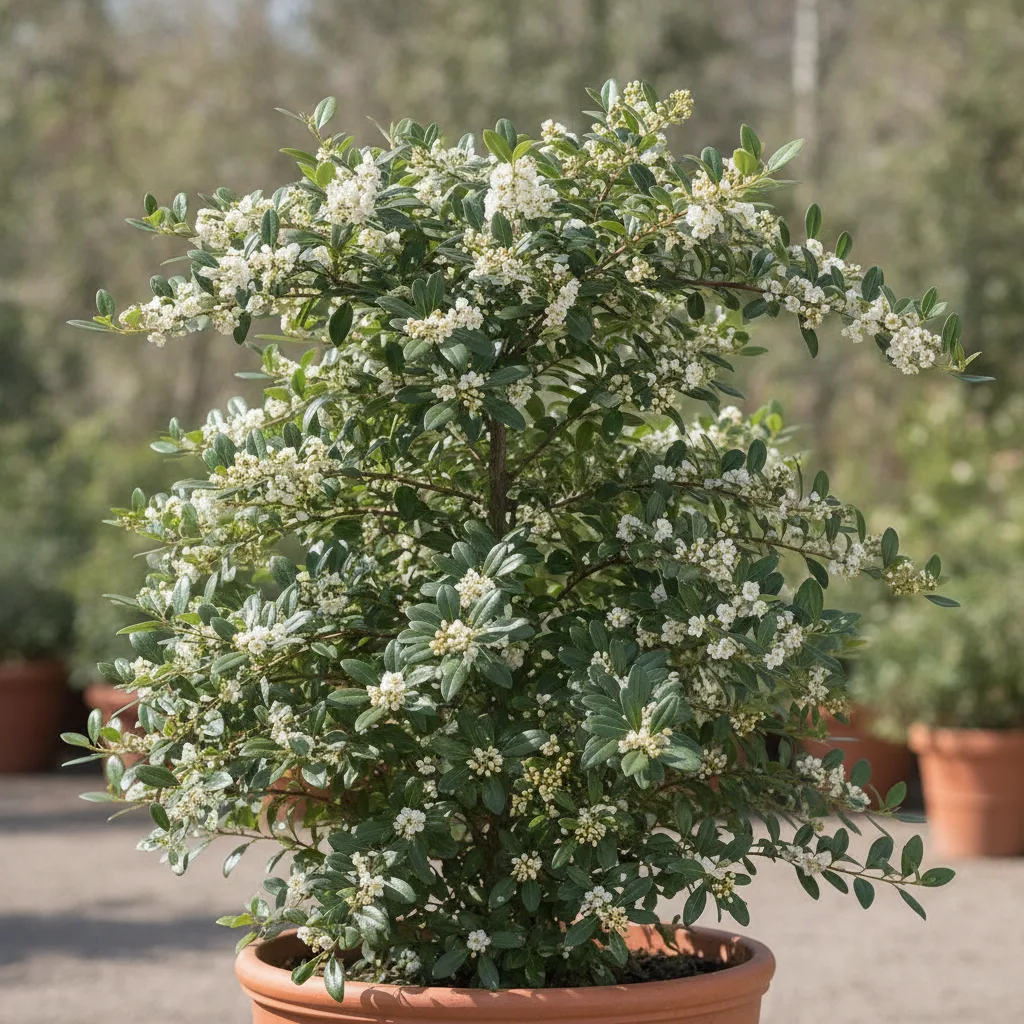 Cotoneaster · Cotoneaster glaucophyllus A hardy evergreen with grey-green leaves, sprays of white summer flowers and heavy crops of orange-red autumn berries loved by birds. Tough and drought-proof, but bird-spread seedlings can become weedy.
 -
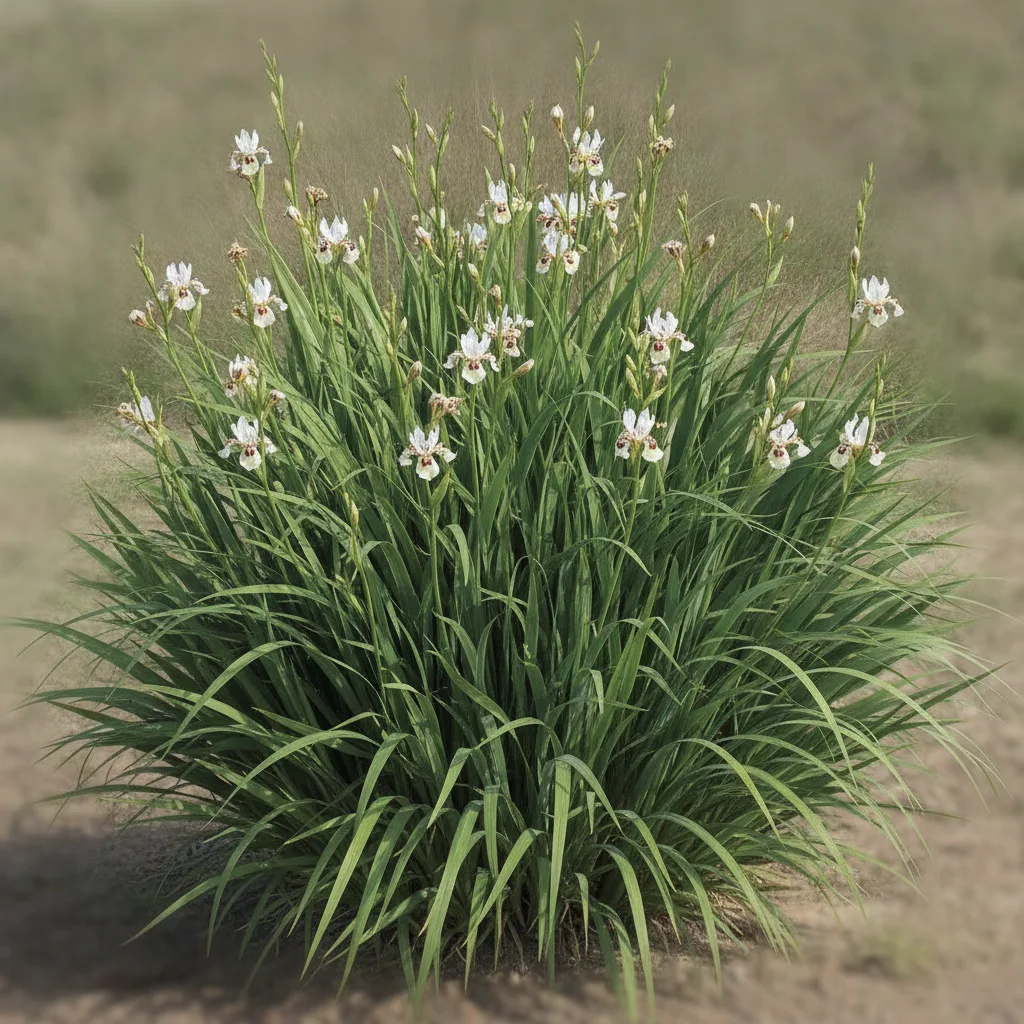 Large Wild Iris · Dietes grandiflora Strappy evergreen iris from southern Africa with elegant white flowers marked yellow and violet, opening in fortnightly flushes. Almost indestructible, though it can naturalise.
 -
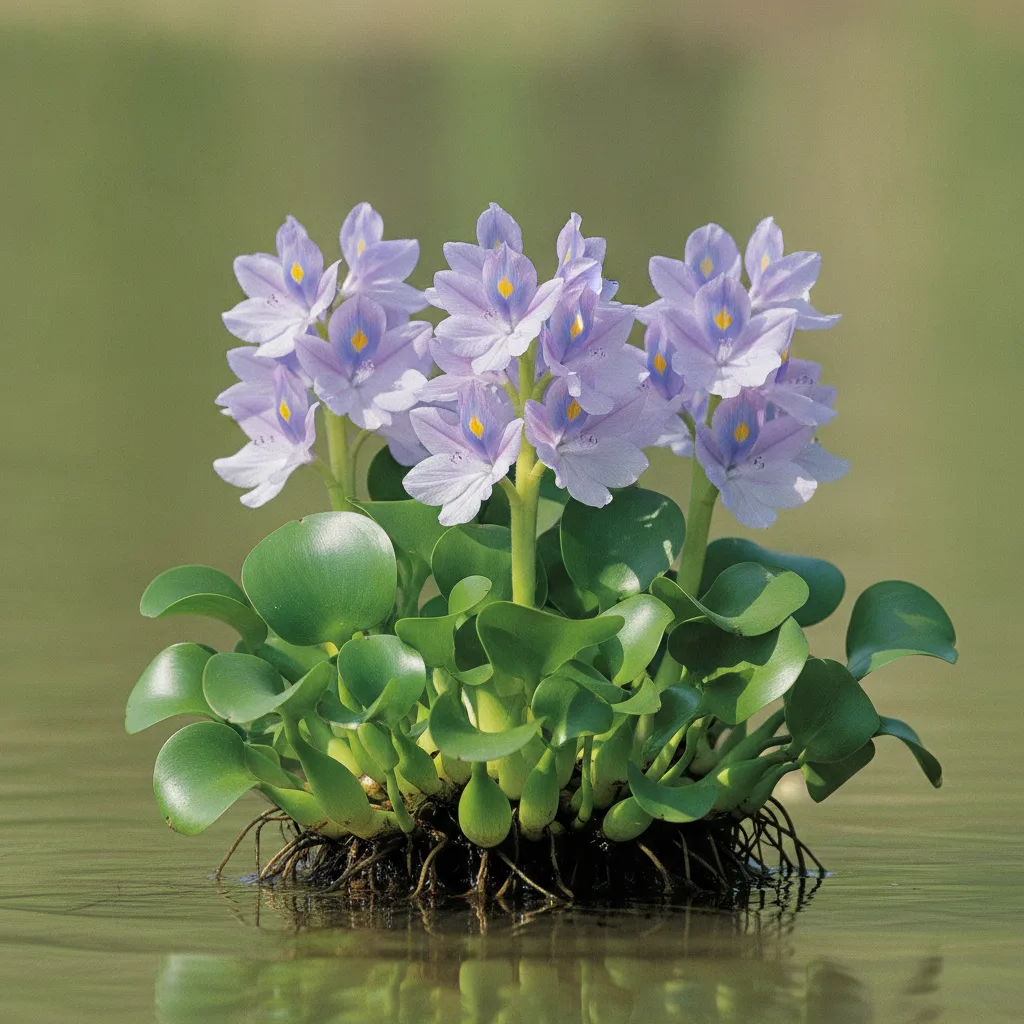 Water Hyacinth · Eichhornia crassipes A free-floating aquatic with glossy rounded leaves on inflated buoyant stalks and showy lavender-blue flower spikes. A declared noxious weed across much of Australia and illegal to keep in many states.
 -
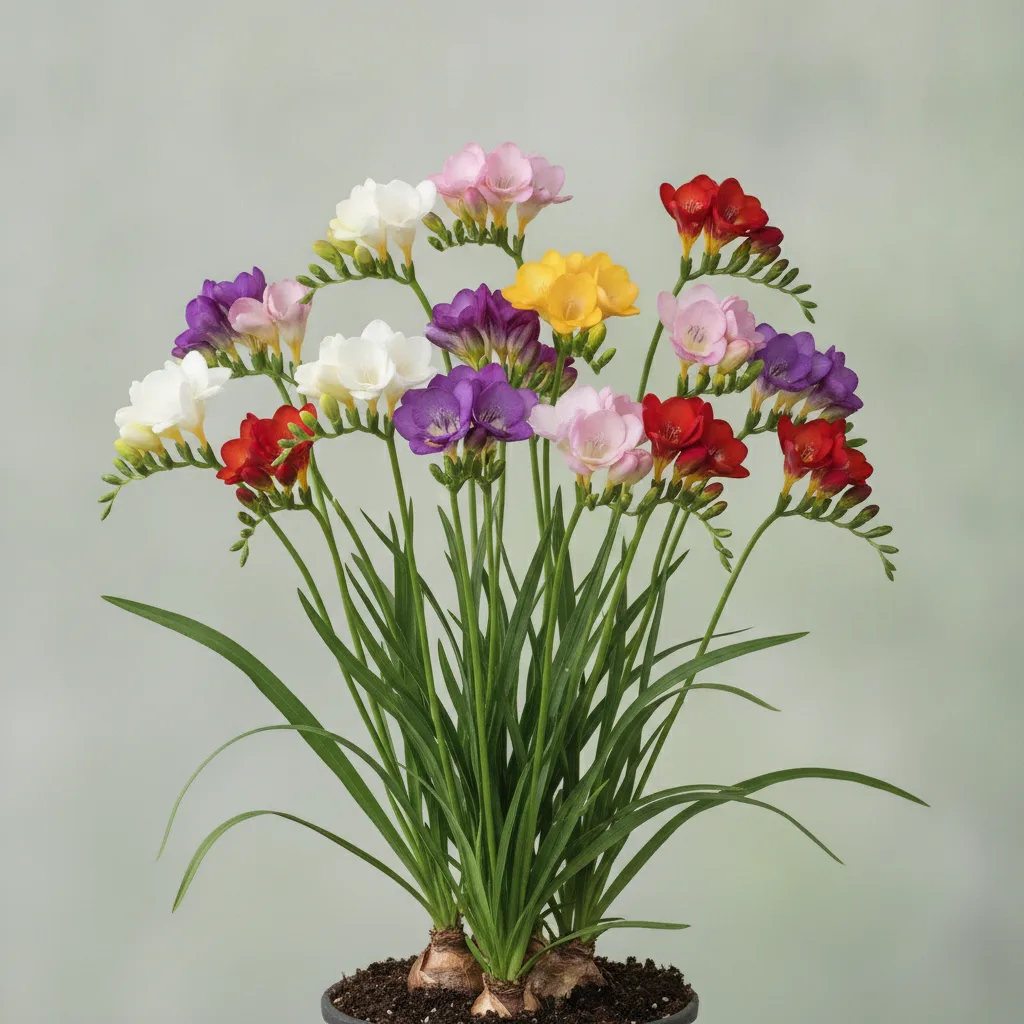 Freesia · Freesia hybrid Intensely perfumed funnel flowers on arching stems, a beloved cut flower that scents the whole garden. The species forms can naturalise and are a weed risk in mild climates.
 -
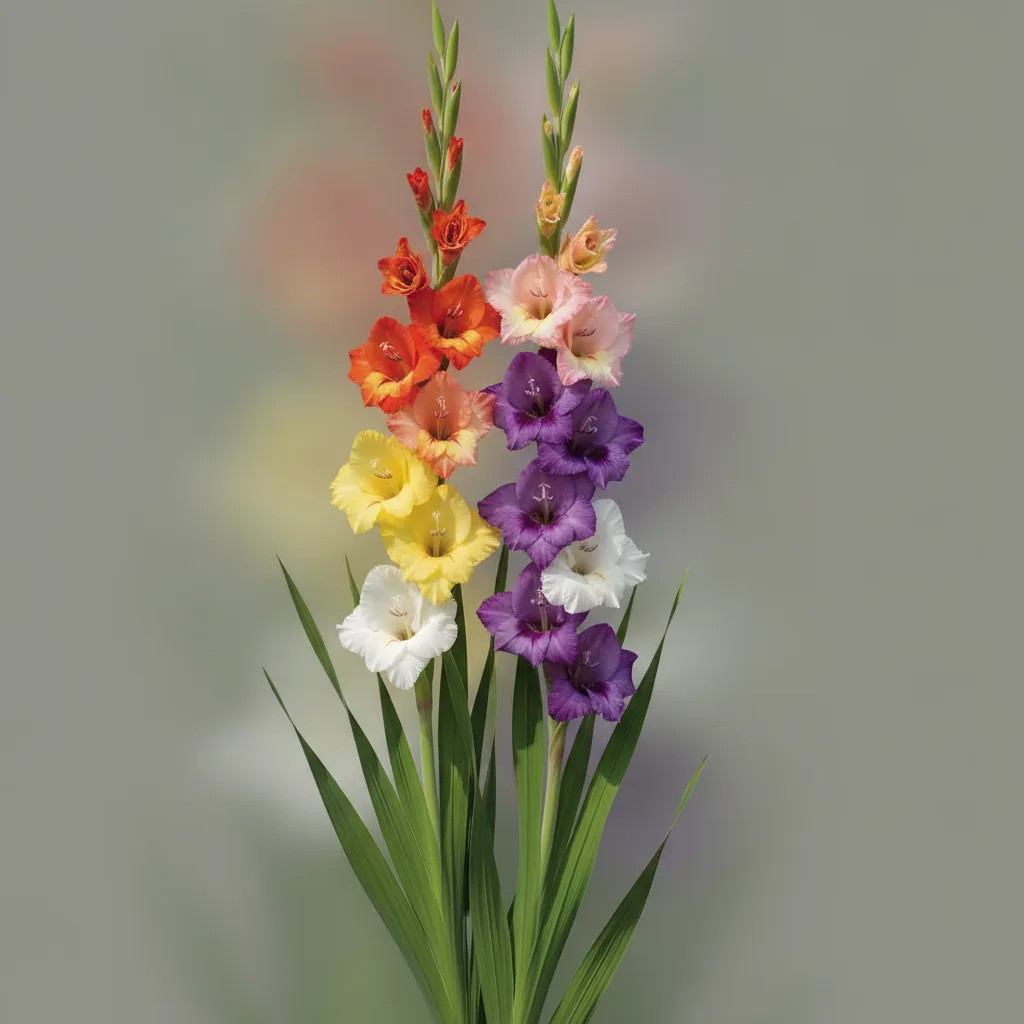 Gladiolus · Gladiolus hybrid Tall one-sided spikes of funnel flowers, a staple of the summer cutting patch, grown from corms planted in succession. Stake in windy spots; some species are environmental weeds.
 -
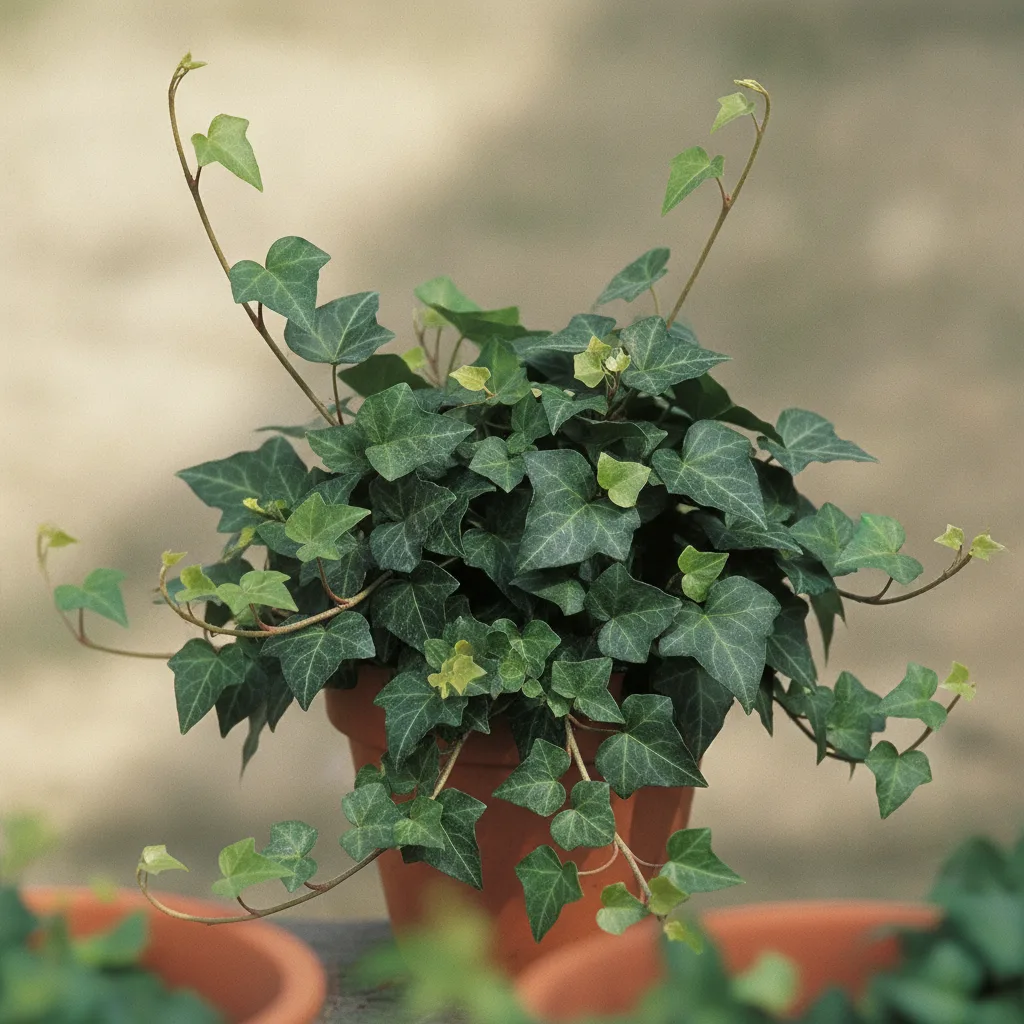 English Ivy · Hedera helix A tough, self-clinging evergreen climber and groundcover with classic lobed dark-green leaves that thrives in deep shade. Useful but invasive, it can damage masonry and is toxic if eaten.
 -
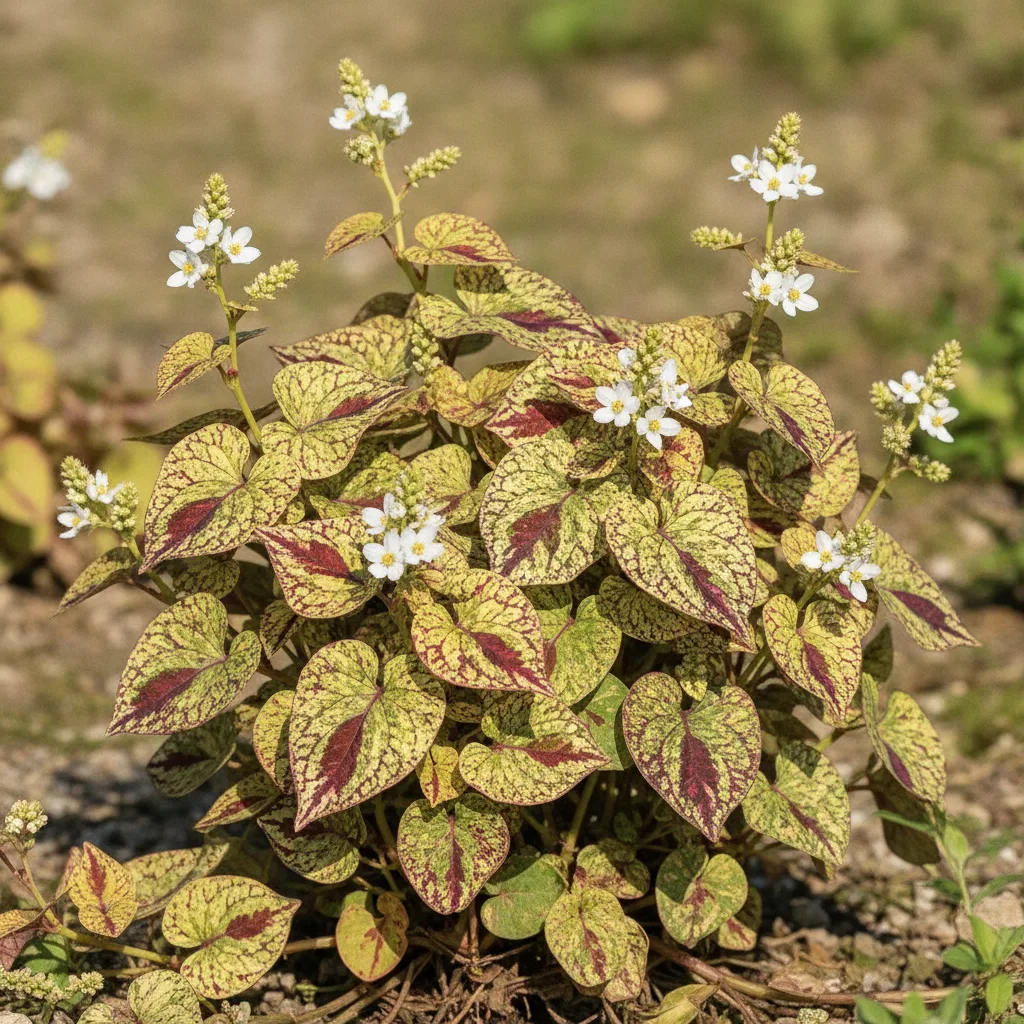 Chameleon Plant · Houttuynia cordata 'Chameleon' A spreading bog groundcover with heart-shaped leaves splashed red, cream, yellow and green, and small white flowers. Vigorous and can be invasive in damp ground, so often best contained in a pot.
 -
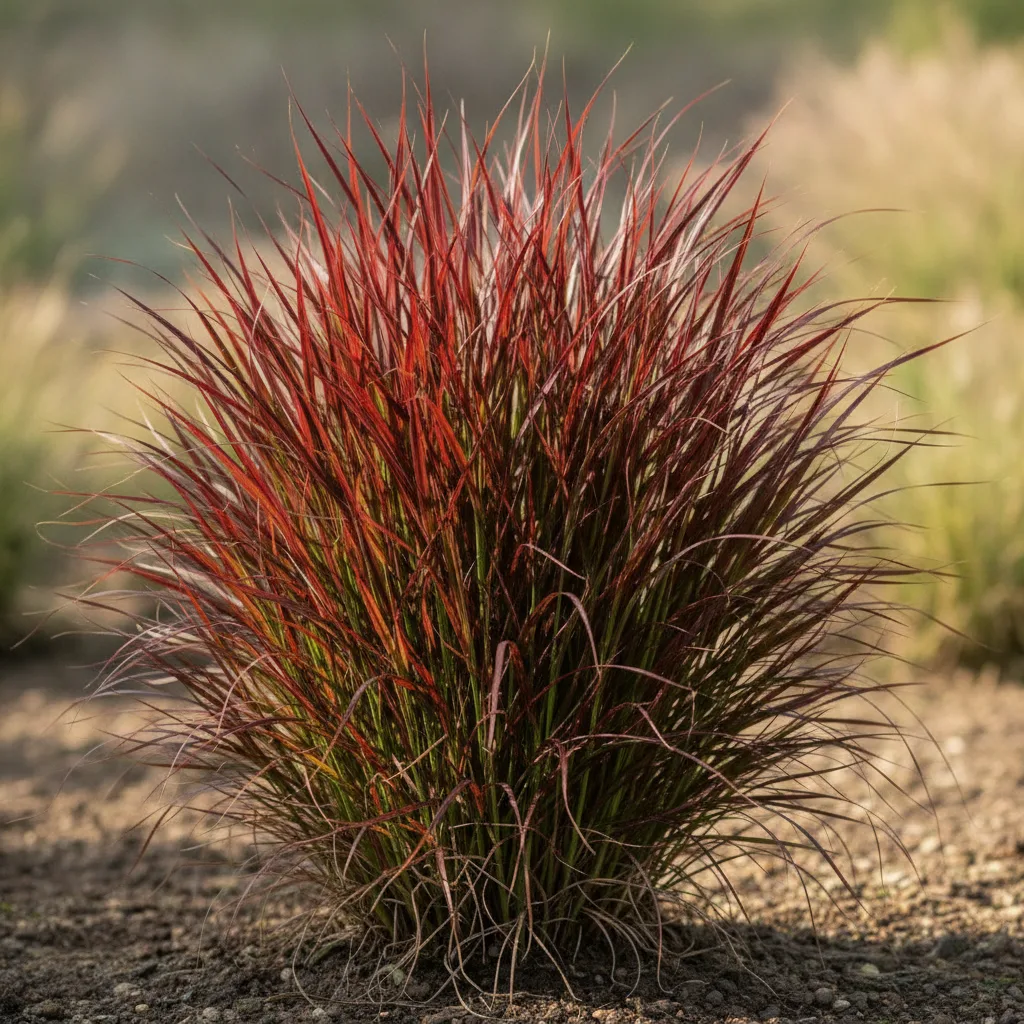 Japanese Blood Grass · Imperata cylindrica 'Rubra' An ornamental grass grown for upright blades that emerge green and flush with deepening blood-red tips, glowing when backlit. Note the species is a serious weed, so confine to pots and remove any green-reverting shoots.
 -
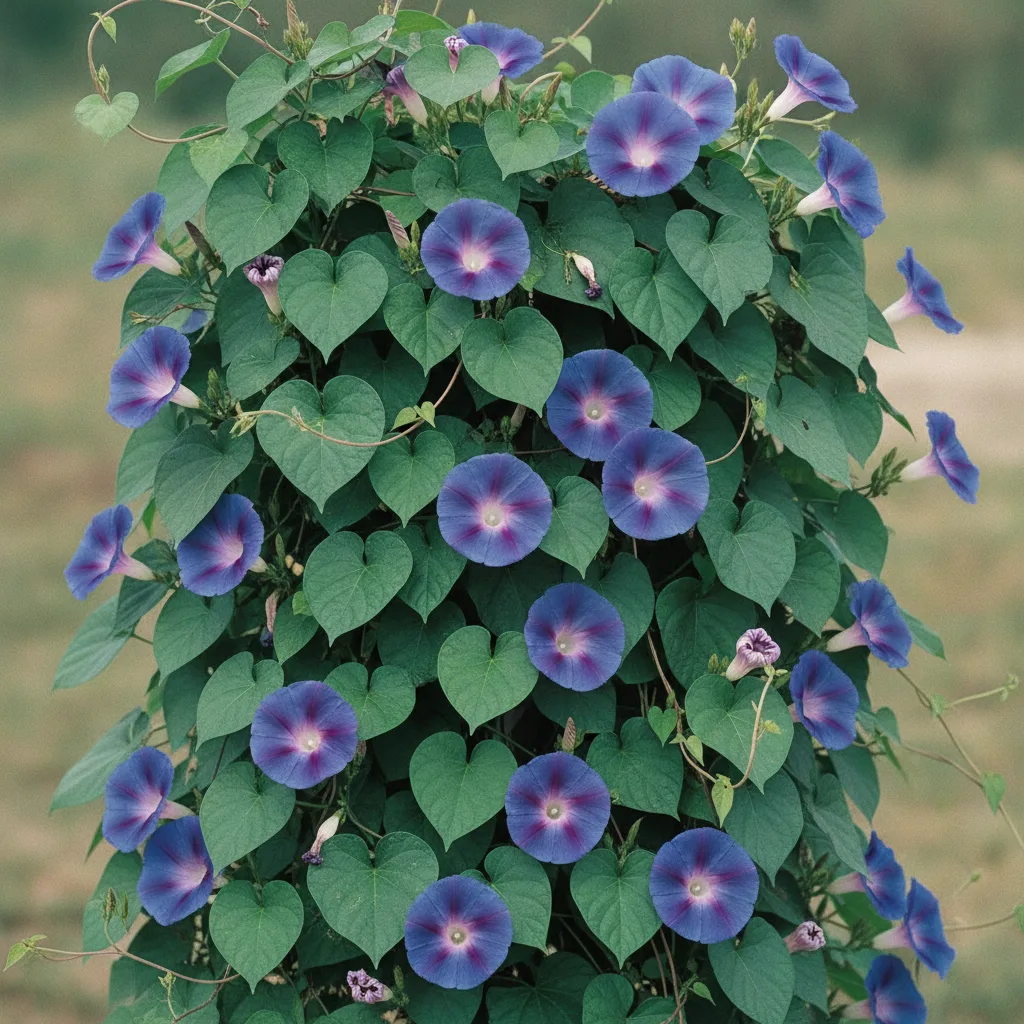 Blue Morning Glory · Ipomoea indica A fast, twining climber that opens a daily flush of large azure-blue to purple funnel flowers. Striking but highly invasive, it is a serious environmental weed that smothers bushland and gardens.
 -
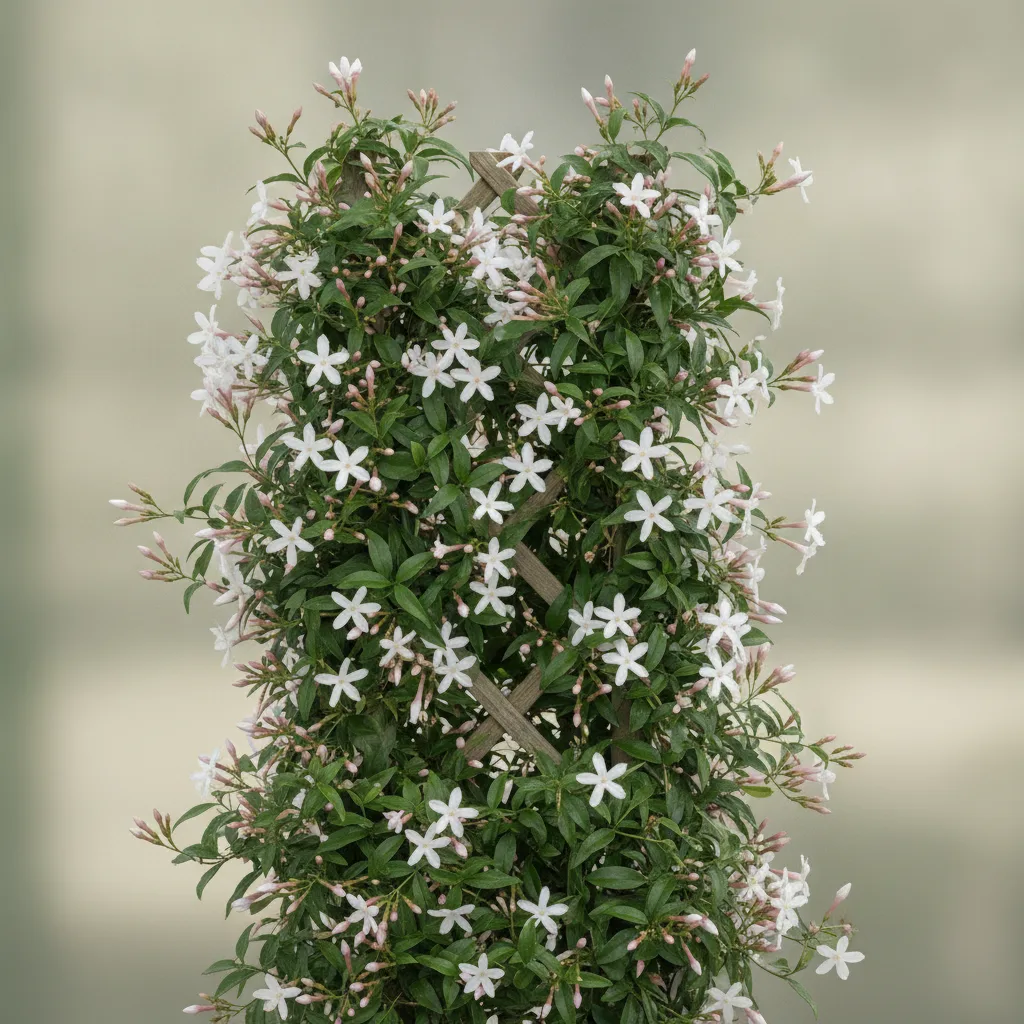 Pink Jasmine · Jasminum polyanthum A twining evergreen climber that erupts in late winter and spring with masses of pink-budded white flowers carrying a powerful sweet perfume. Fast and floriferous, though it can spread beyond its bounds.
 -
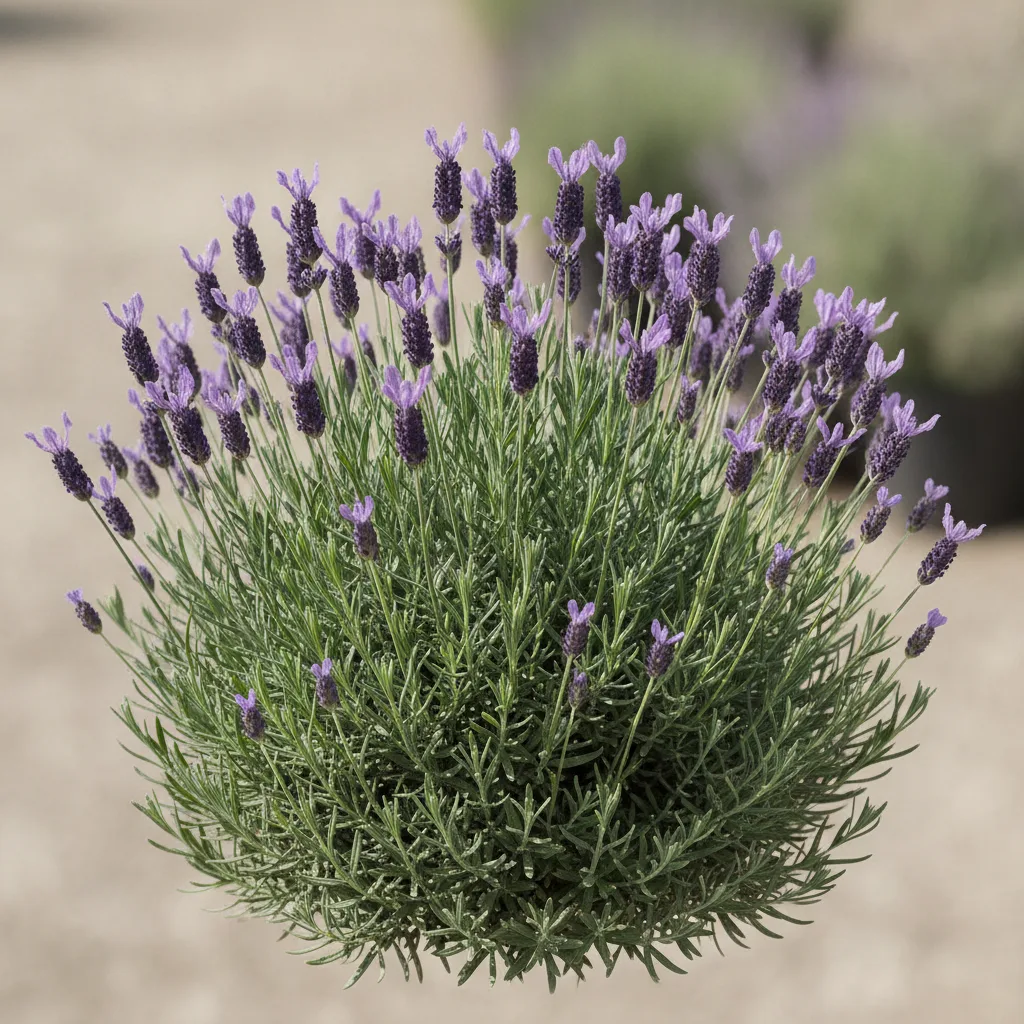 Spanish Lavender · Lavandula stoechas Instantly recognised by the rabbit-ear bracts perched atop chubby flower heads. Free-flowering and showy, though it can self-seed and is a declared weed in some districts.
 -
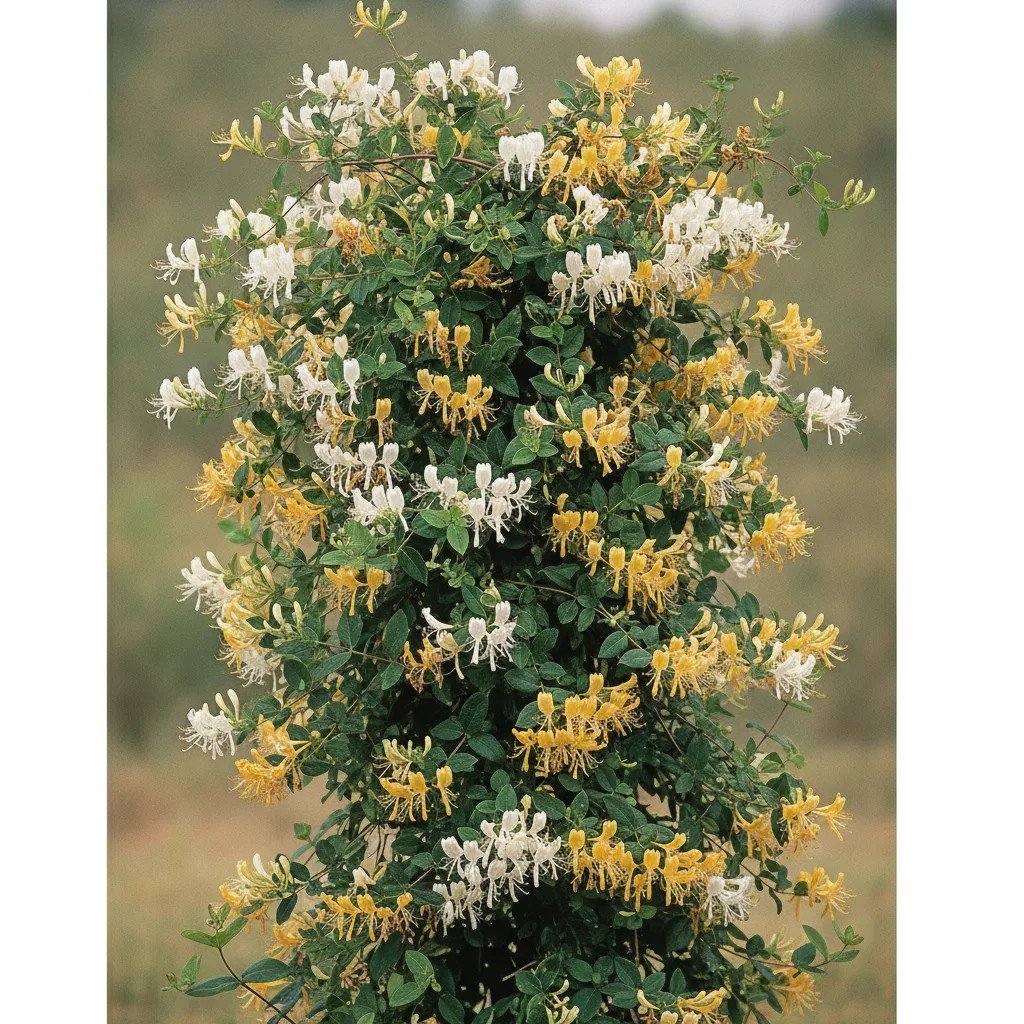 Japanese Honeysuckle · Lonicera japonica A vigorous twining climber valued for its intensely sweet-scented white flowers that age to yellow through summer. Beautiful and nectar-rich, but a declared environmental weed that smothers native vegetation.
 -
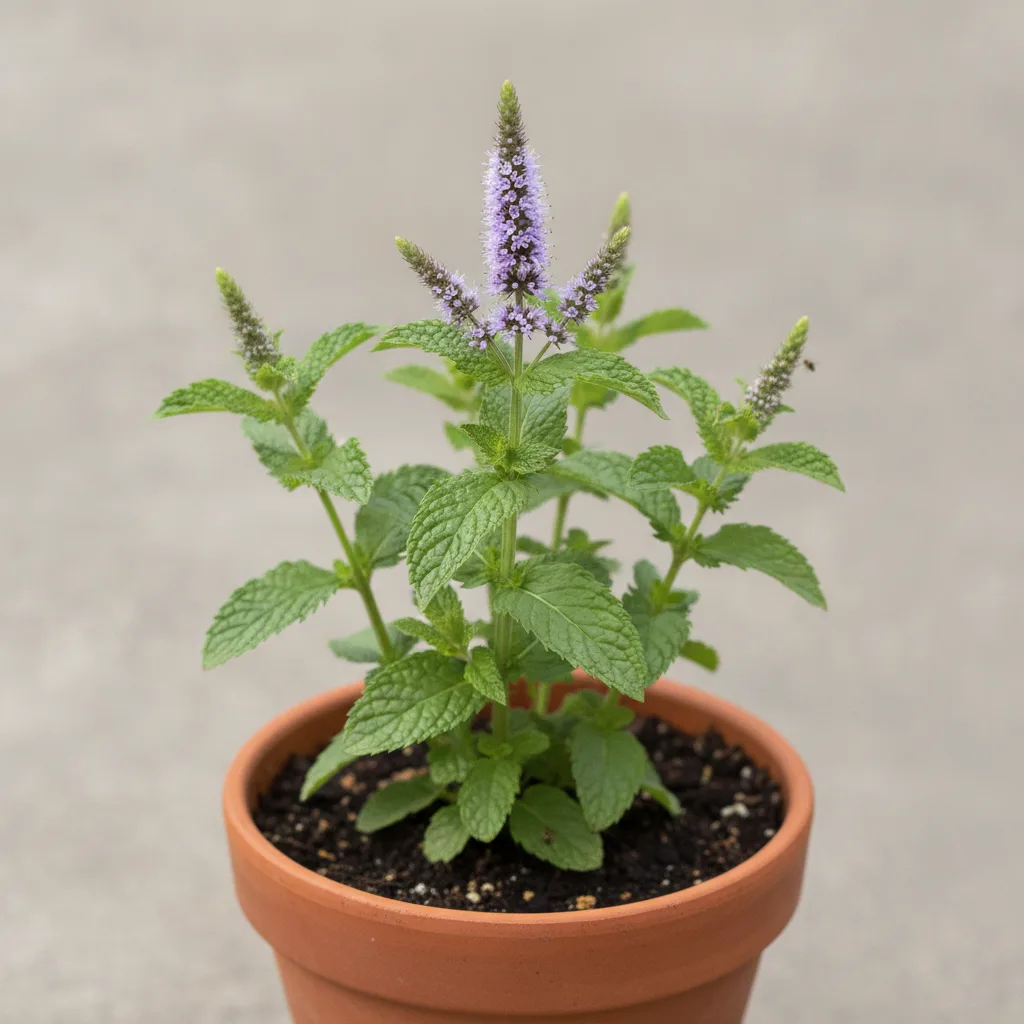 Spearmint · Mentha spicata Vigorous, fragrant and almost impossible to kill — best grown in a pot to keep its running roots in check. A few leaves transform drinks, salads and lamb.
 -
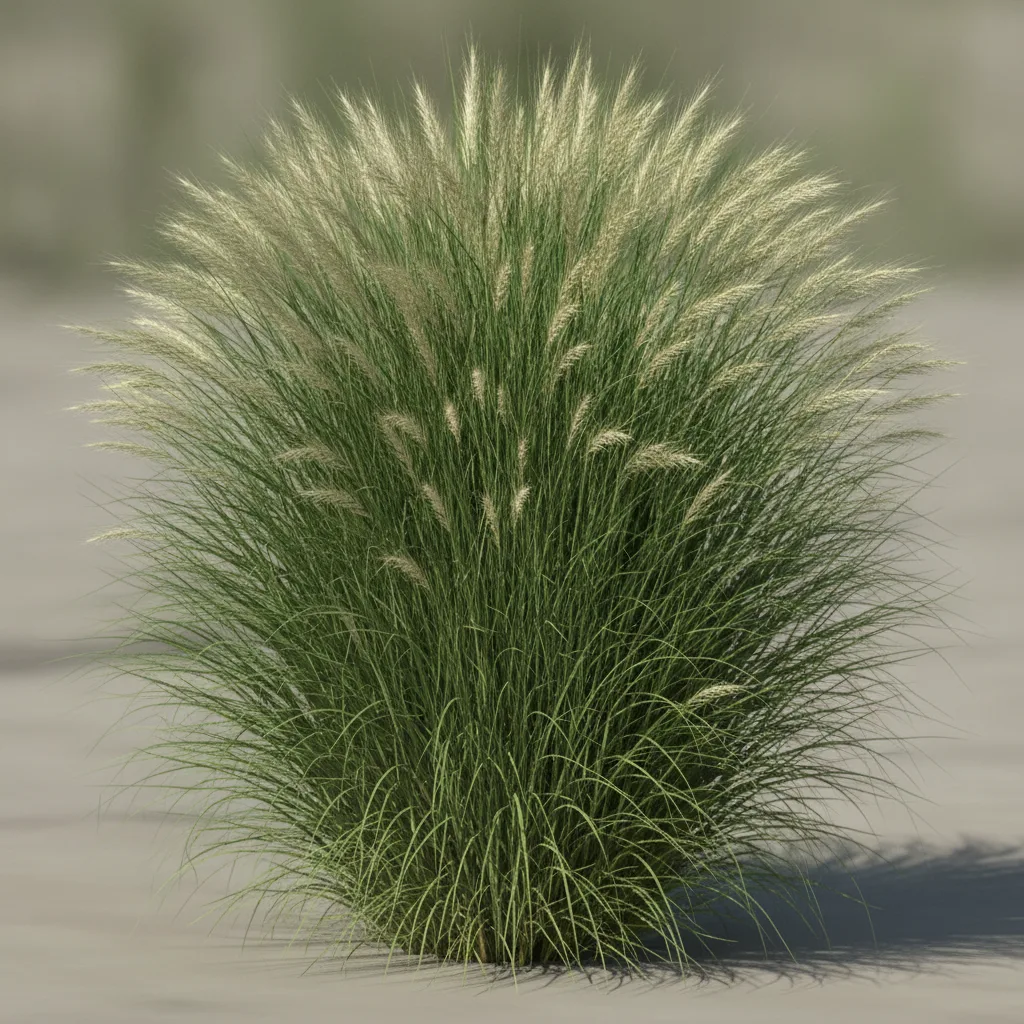 Mexican Feather Grass · Nassella tenuissima A fine-textured grass forming flowing tufts of needle-thin green foliage that turn blonde, with airy seed heads that ripple in the breeze. Now a declared weed in parts of Australia and prohibited in some states.
 -
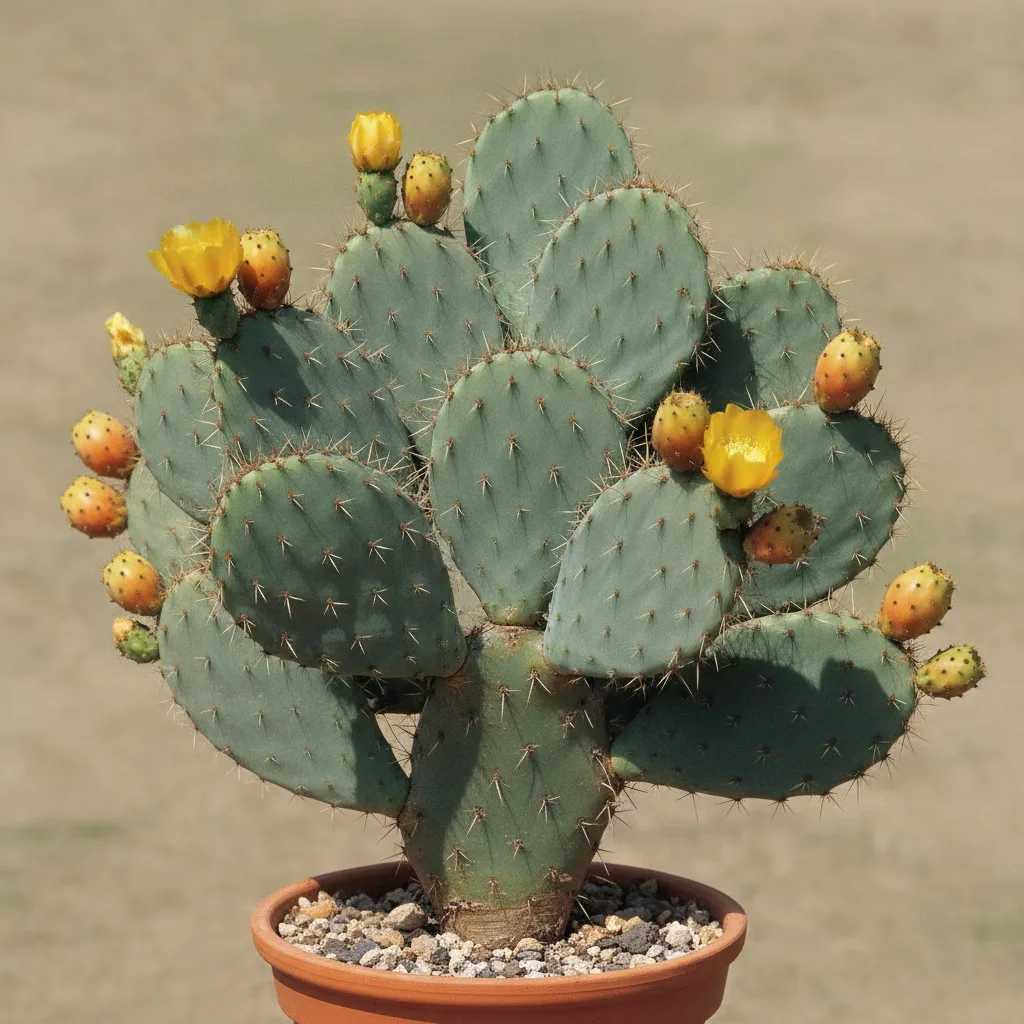 Prickly Pear · Opuntia ficus-indica A large segmented cactus of flat oval green pads armed with spines and fine barbed glochids, bearing yellow flowers and edible red-purple fruit. A declared weed in much of Australia, so plant with care.
 -
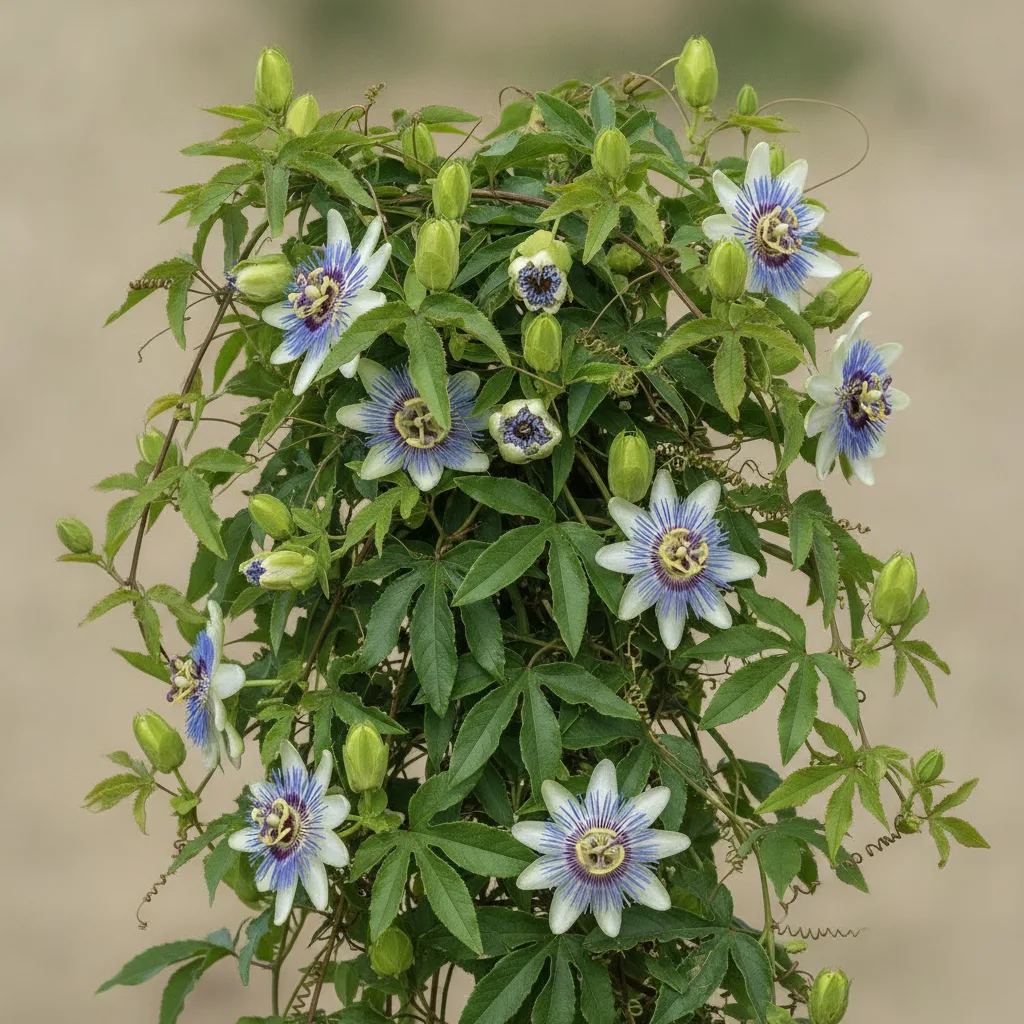 Blue Passionflower · Passiflora caerulea An ornamental evergreen to semi-deciduous climber bearing intricate blue-and-white flowers with a striking filament crown, followed by ornamental orange fruit. Hardier than the edible passionfruit but prone to suckering.
 -
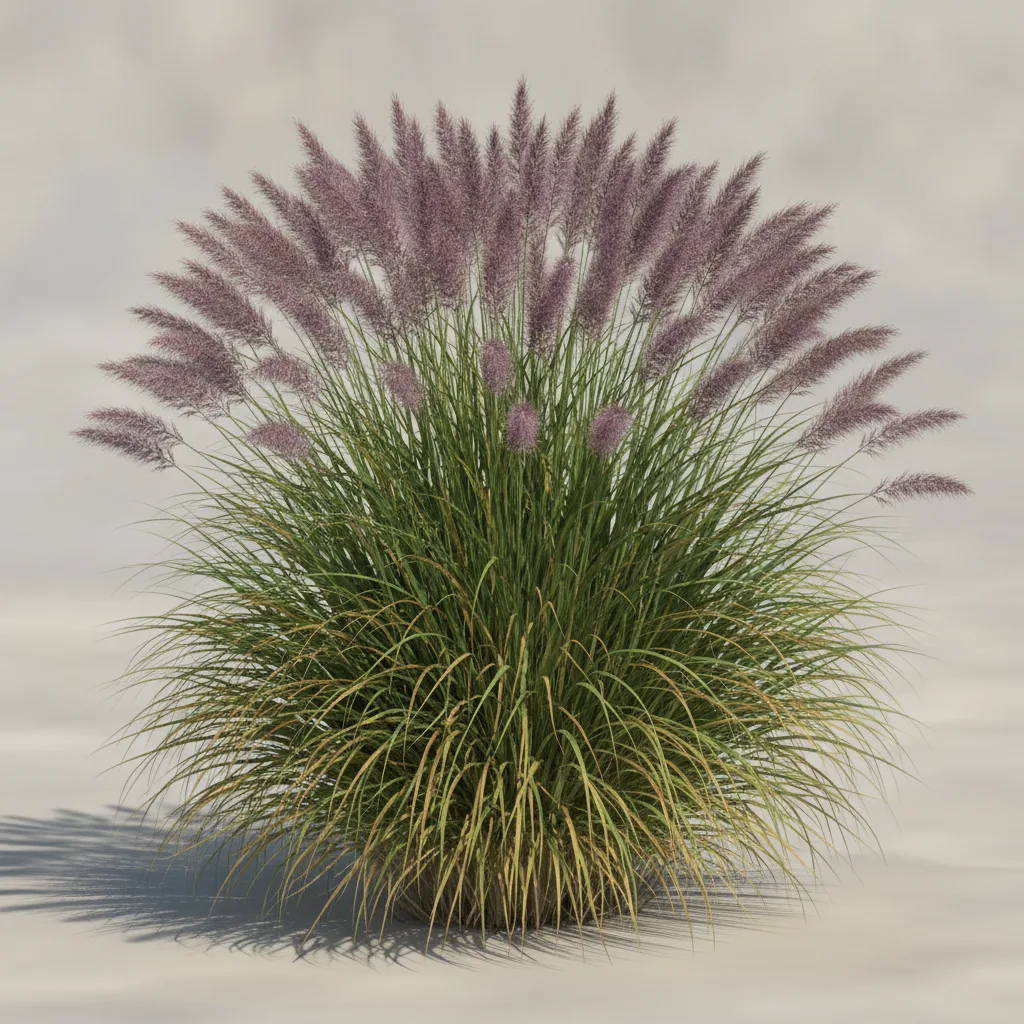 Swamp Foxtail · Pennisetum alopecuroides A clumping grass with arching green foliage and showy purplish foxtail plumes in summer and autumn. Self-seeds readily and is regarded as an environmental weed in parts of Australia.
 -
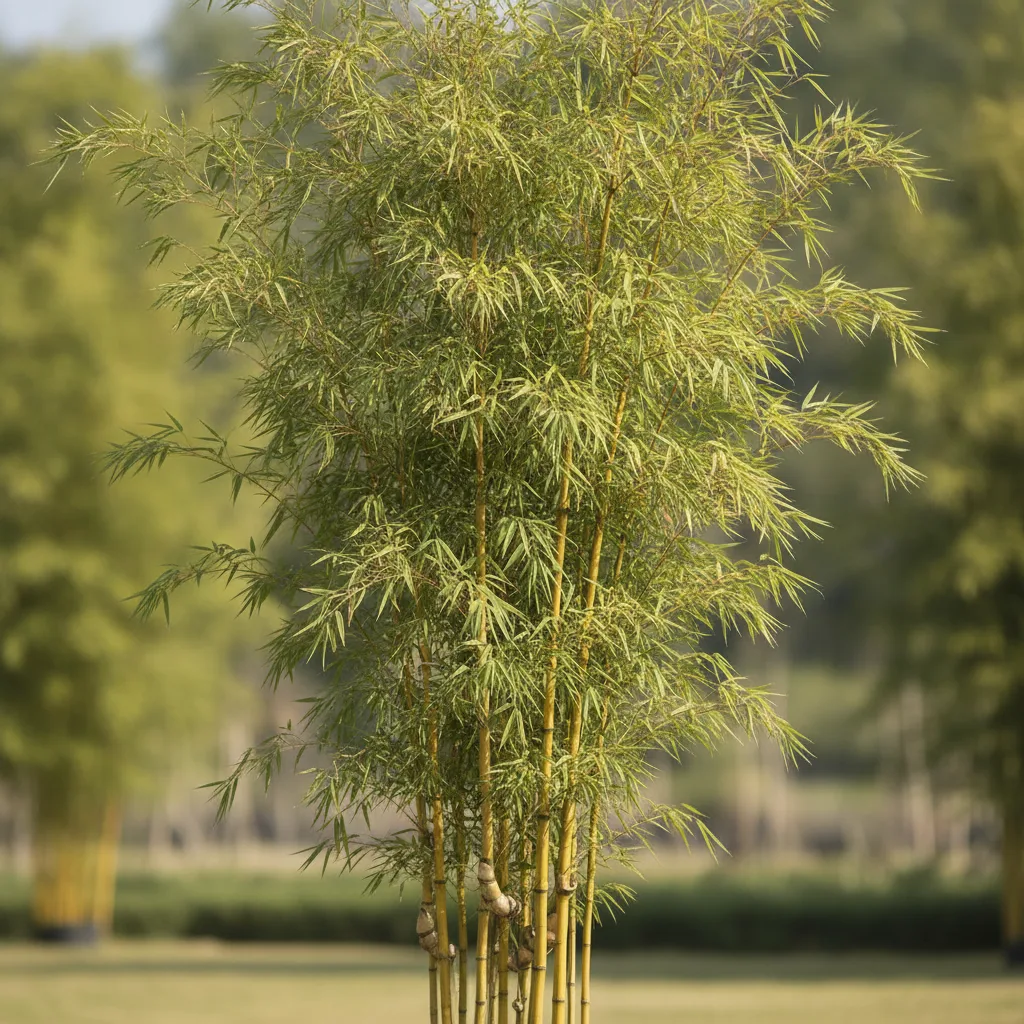 Golden Bamboo · Phyllostachys aurea A tall running bamboo with upright golden-green canes that spreads aggressively by underground rhizomes. A serious environmental weed in Australia and only safe behind a deep rhizome barrier.
 -
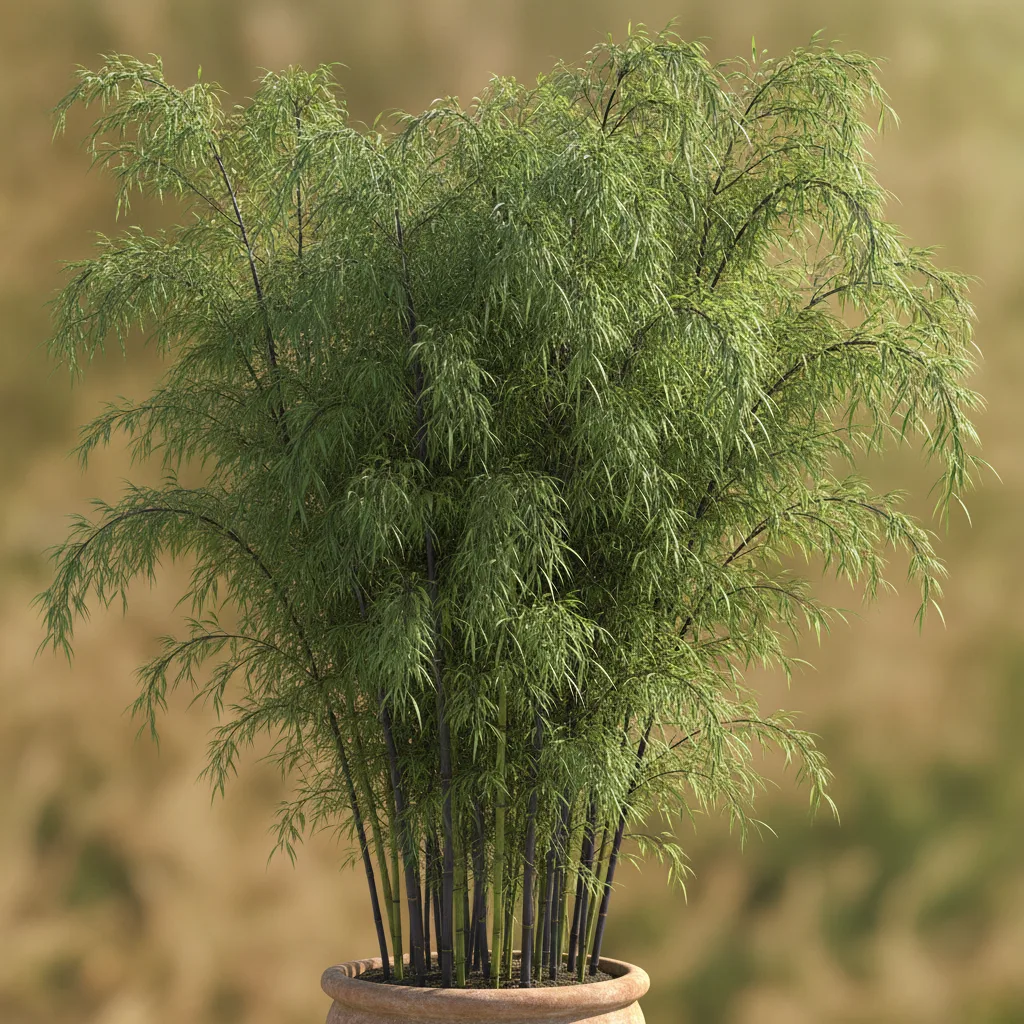 Black Bamboo · Phyllostachys nigra A handsome running bamboo whose canes mature from green to glossy jet black, prized as a feature. Spreads by invasive rhizomes, so must be grown in containers or behind a root barrier.
 -
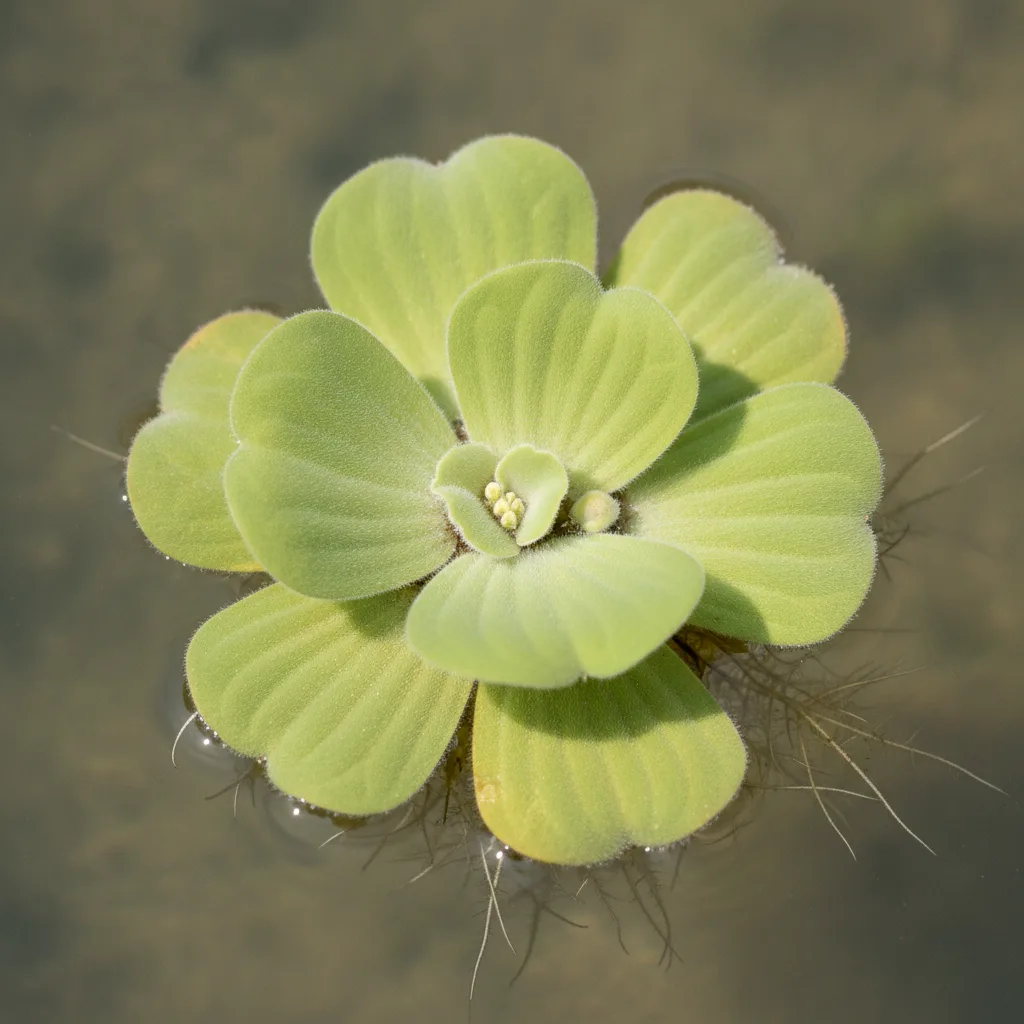 Water Lettuce · Pistia stratiotes A free-floating aquatic forming rosettes of soft, velvety pale-green leaves resembling a floating lettuce. A declared weed in Australia and prohibited in several states.
 -
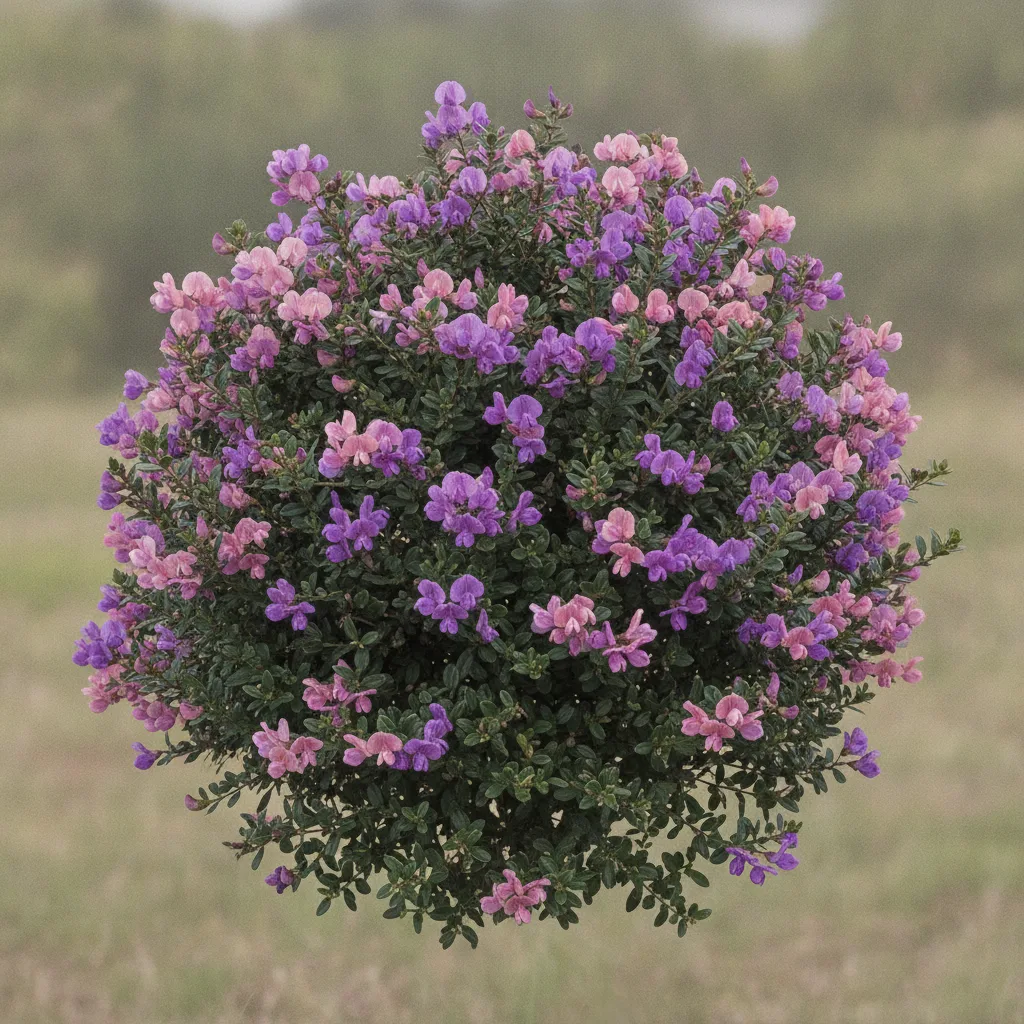 Sweet Pea Bush · Polygala myrtifolia A fast, hardy shrub almost permanently dotted with purple-pink pea-shaped flowers brushed with a fringed keel. Excellent in dry coastal gardens, though it can self-seed and naturalise.
 -
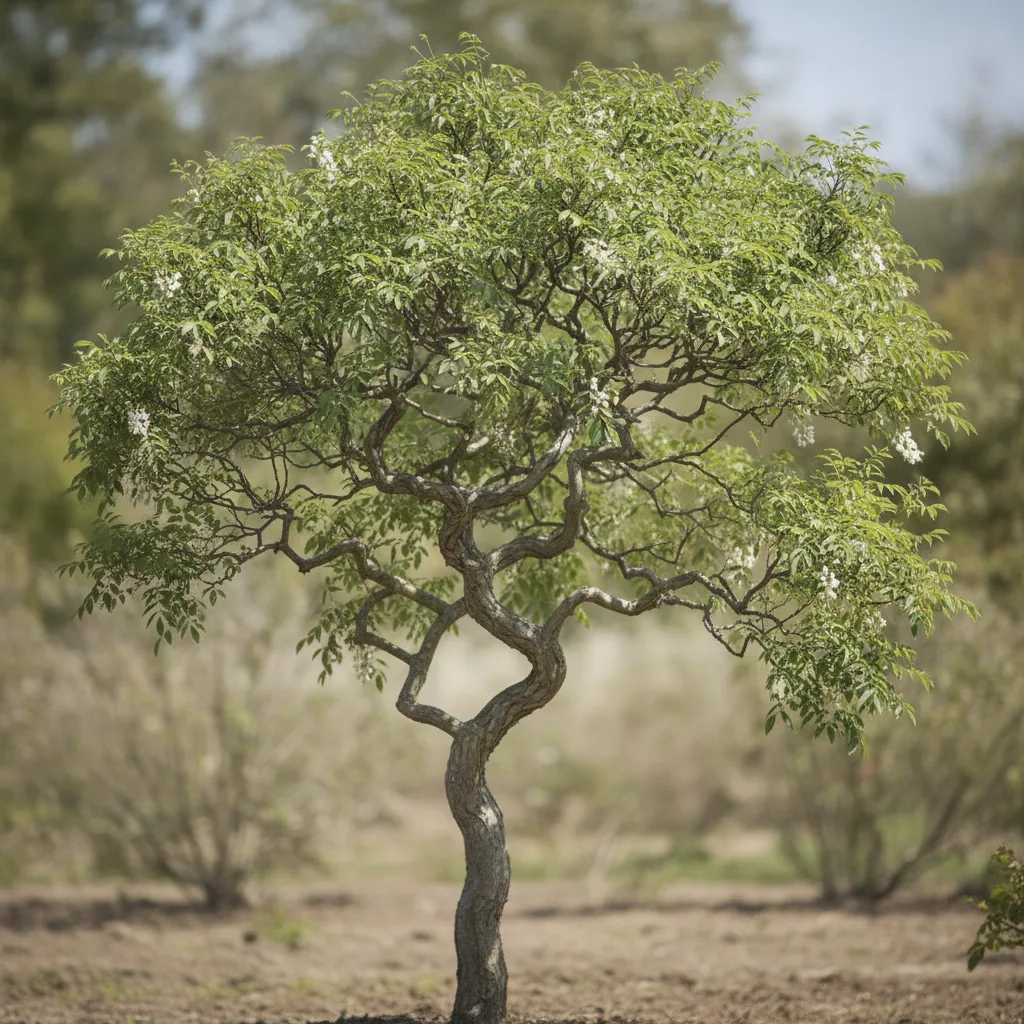 Twisty Baby Robinia · Robinia pseudoacacia 'Lace Lady' A novelty dwarf black locust with curiously twisted and contorted branches and curled blue-green foliage that turns gold in autumn. A sculptural feature tree, striking in winter silhouette.
 -
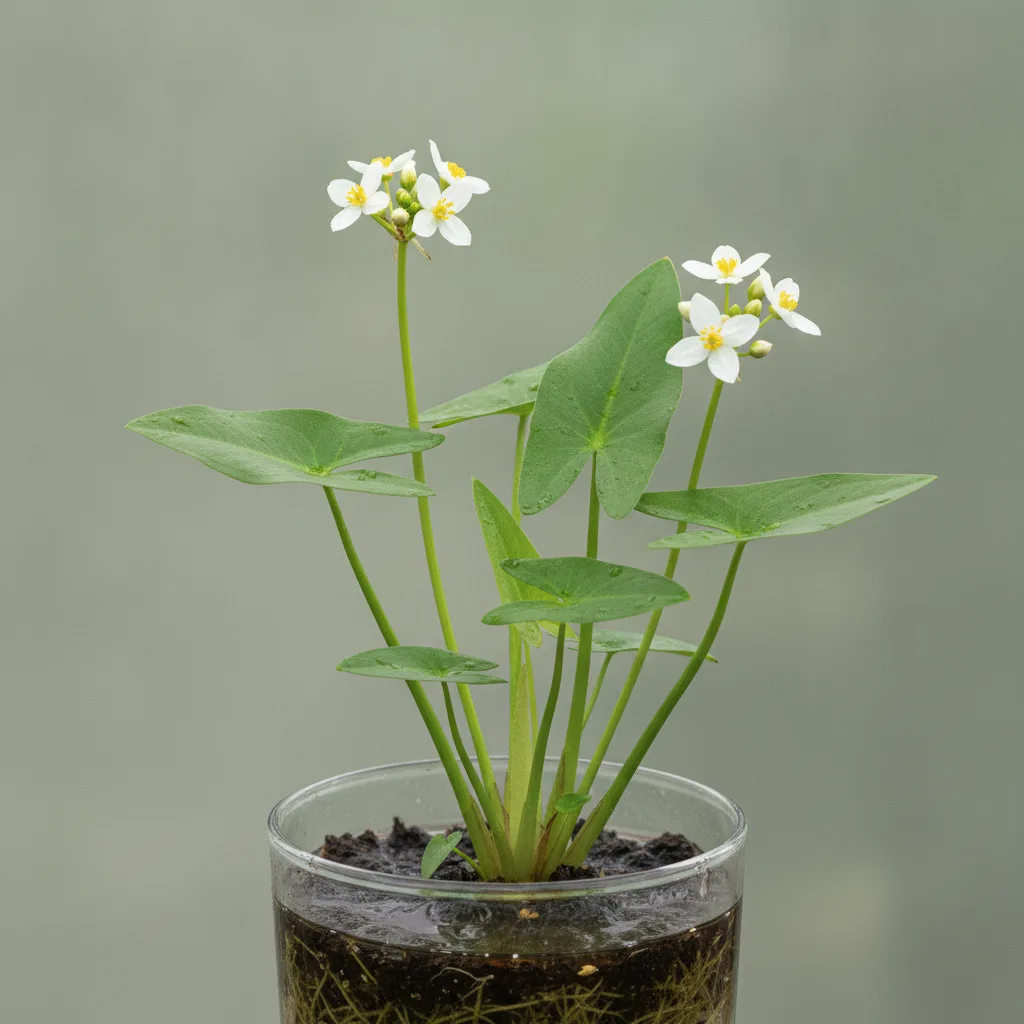 Arrowhead · Sagittaria platyphylla A marginal aquatic with broad lance-shaped emergent leaves and whorled spikes of small white flowers. Note this species is a declared weed in parts of southern Australia.
 -
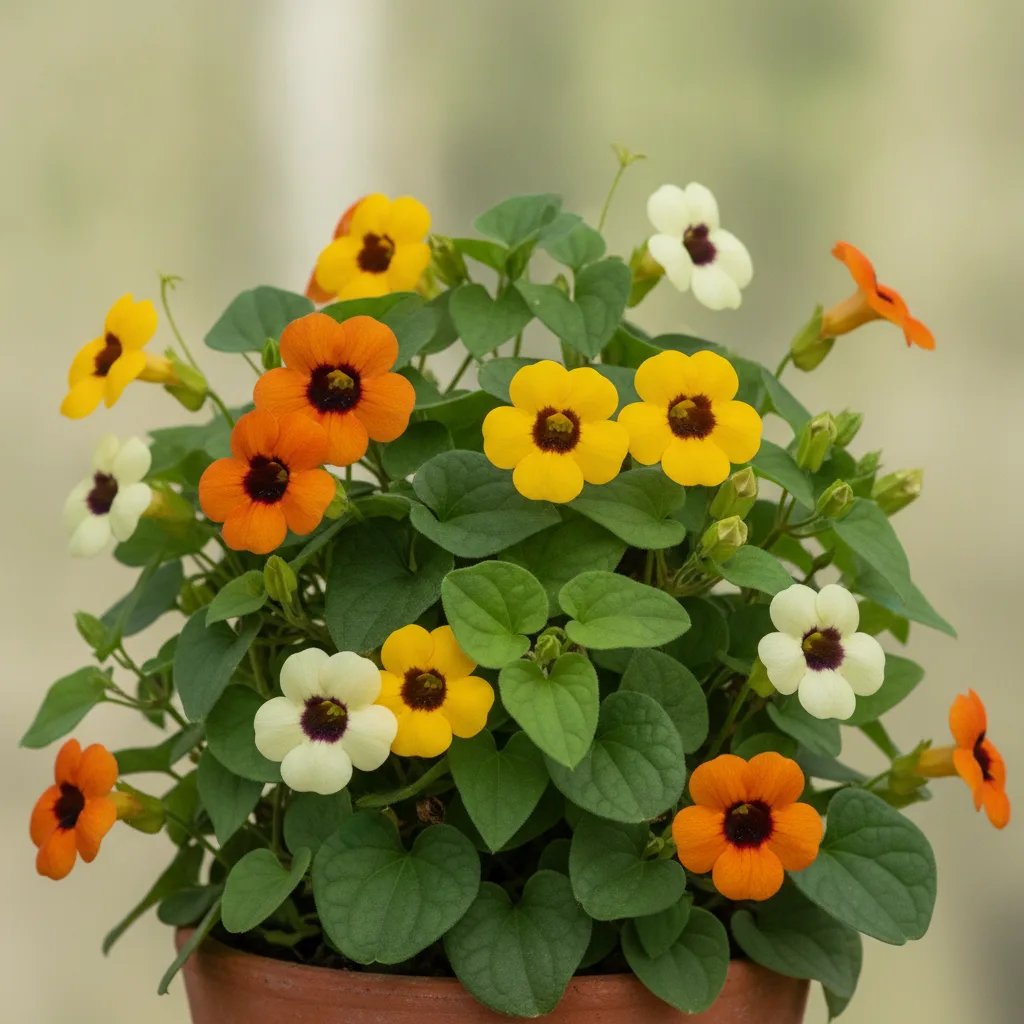 Black-eyed Susan Vine · Thunbergia alata A cheerful, fast twining climber covered in bright orange, yellow or cream flowers each with a dark chocolate eye through the warmer months. Quick to cover a trellis but can self-seed readily.
 -
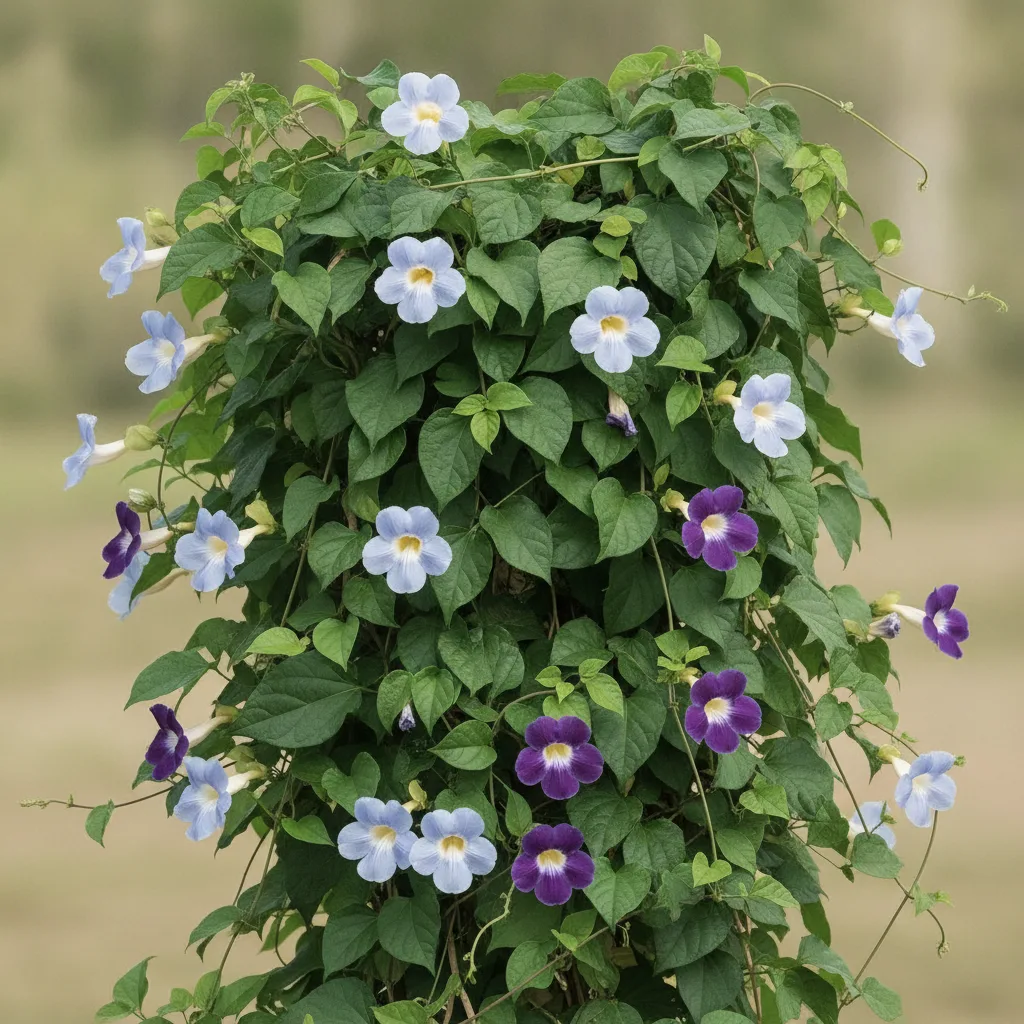 Blue Trumpet Vine · Thunbergia grandiflora A rampant, large-leaved evergreen climber hung with pendulous clusters of pale blue to mauve trumpet flowers. Spectacular over big pergolas in the tropics, but a serious environmental weed in warm regions.
 -
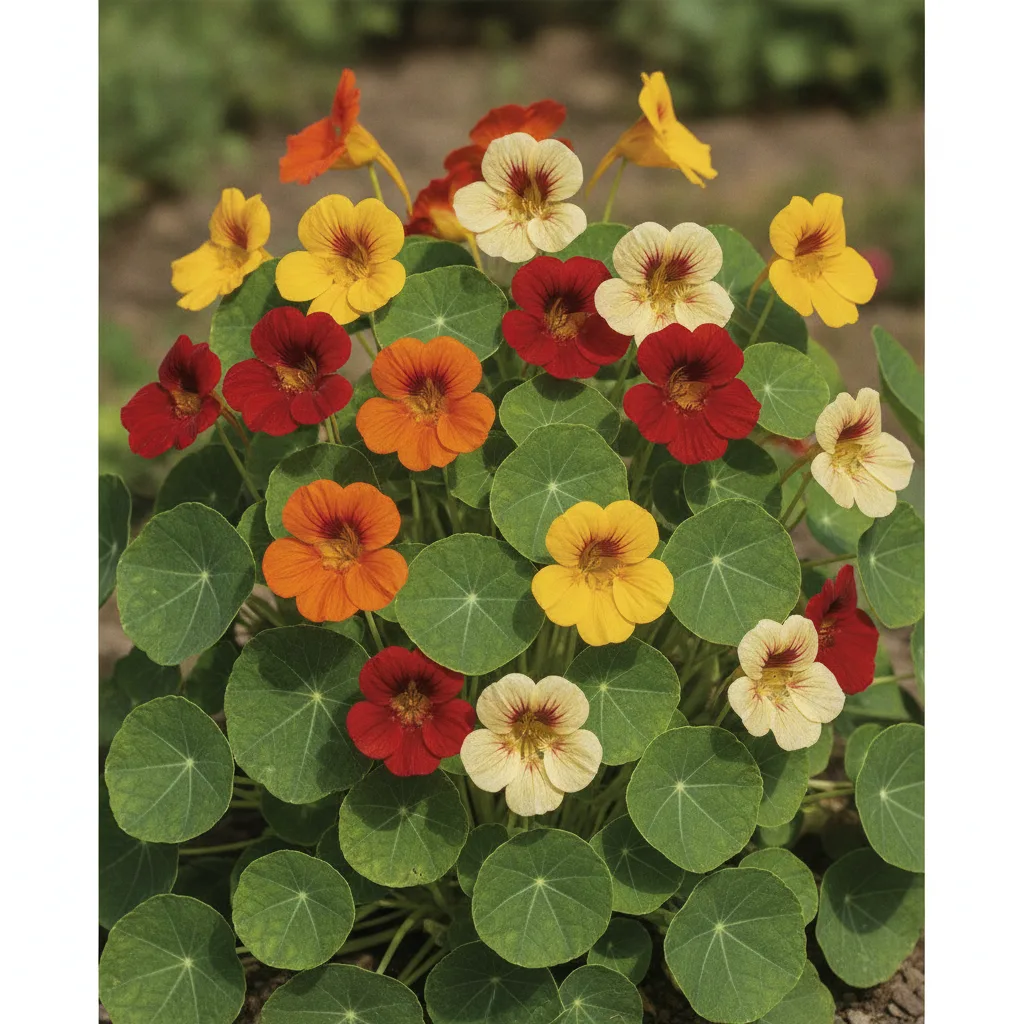 Nasturtium · Tropaeolum majus Trailing or mounding plants with round lily-pad leaves and edible peppery flowers that thrive on neglect and poor soil. Both leaves and blooms spice up a salad; it self-seeds and can naturalise.
 -
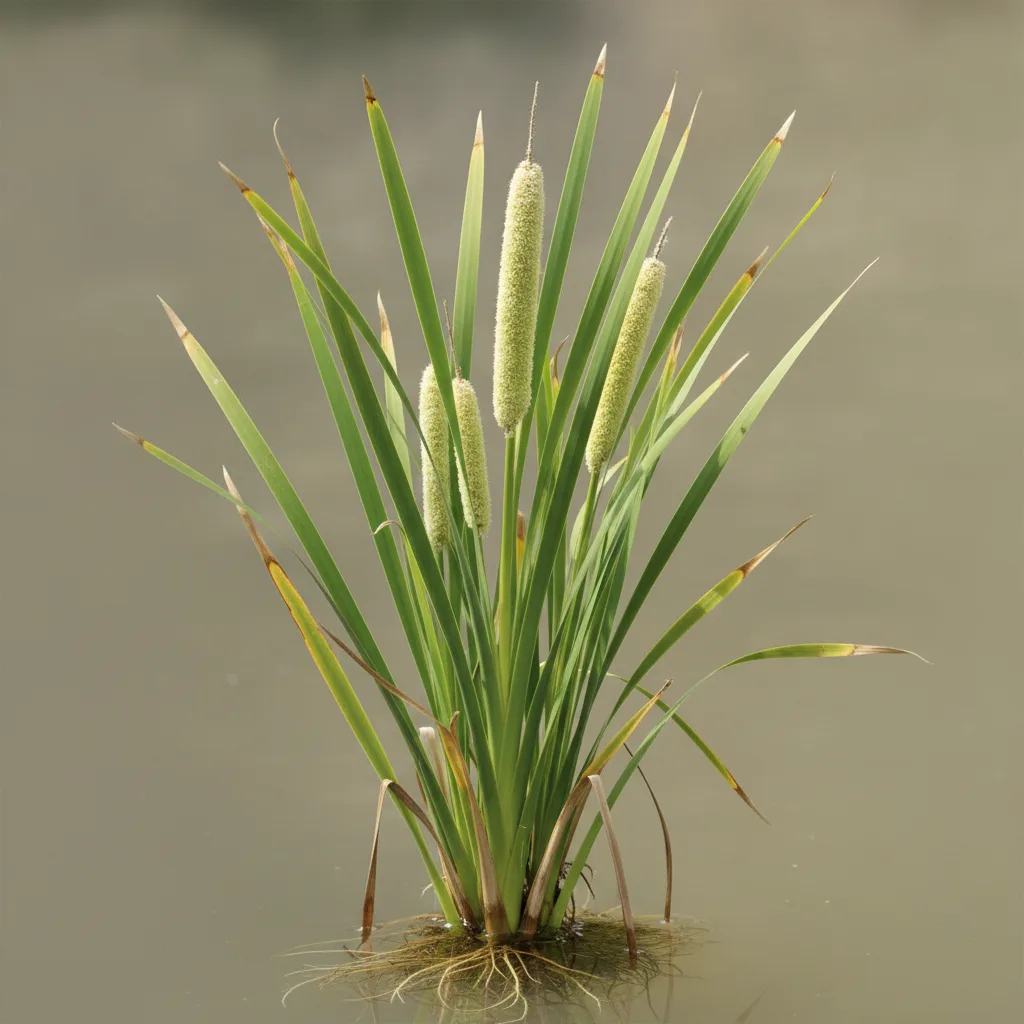 Cumbungi · Typha orientalis A vigorous native marginal reed with strappy upright leaves and the familiar brown cigar-shaped seed heads. Spreads strongly, so best confined to large dams and natural wetlands.
 -
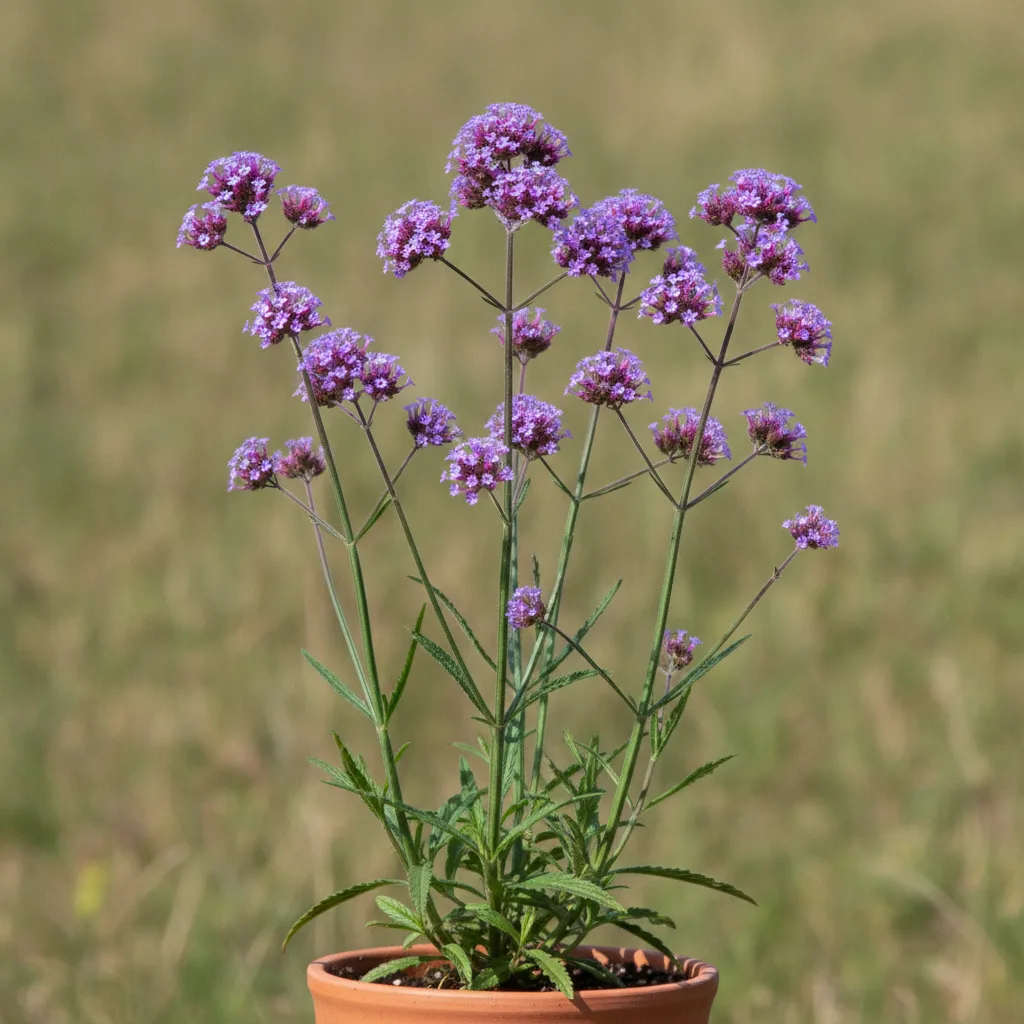 Purpletop Vervain · Verbena bonariensis Tall see-through stems carry clusters of mauve-purple flowers that butterflies adore, perfect for weaving through a border. Self-seeds freely and is a weed risk in some regions.
 -
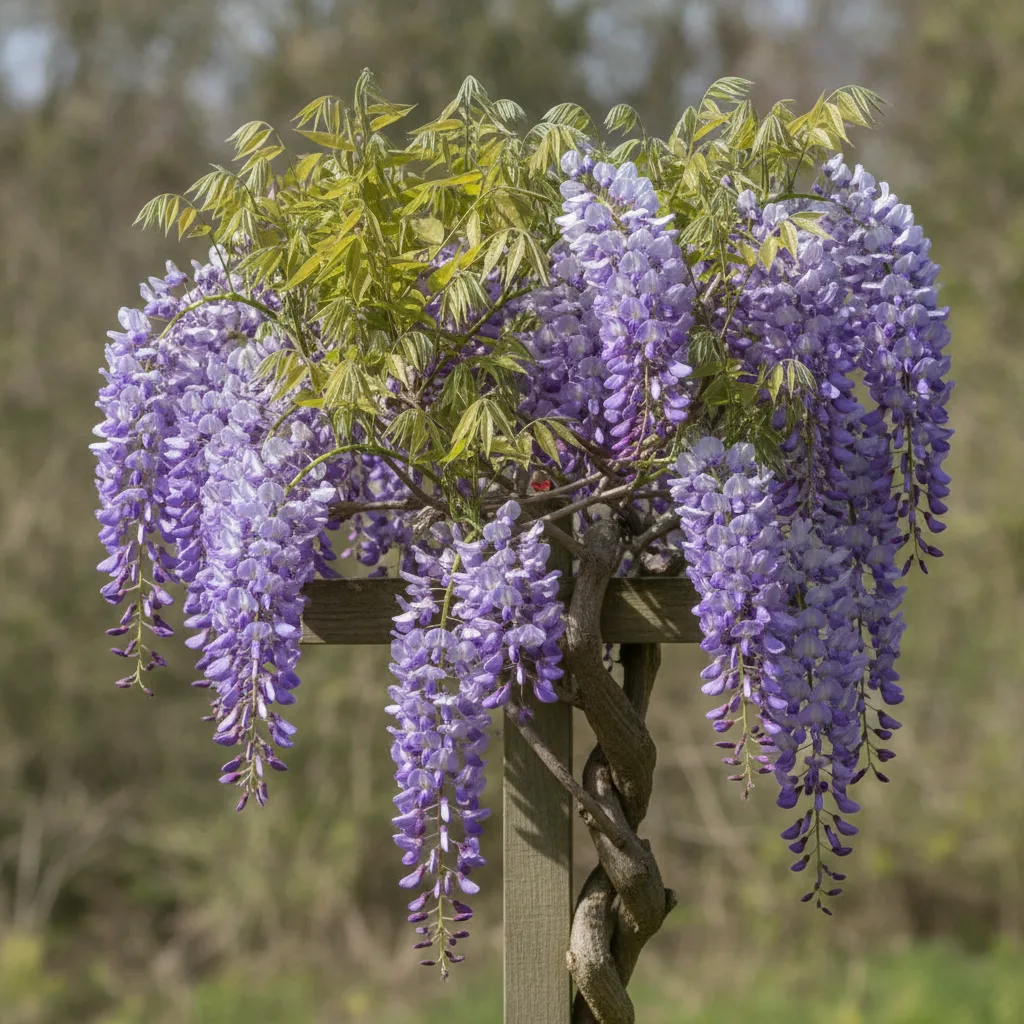 Japanese Wisteria · Wisteria floribunda A graceful deciduous climber renowned for its exceptionally long, fragrant violet-blue flower racemes that open progressively from the base in spring as the fresh foliage unfurls. A breathtaking pergola plant.
 -
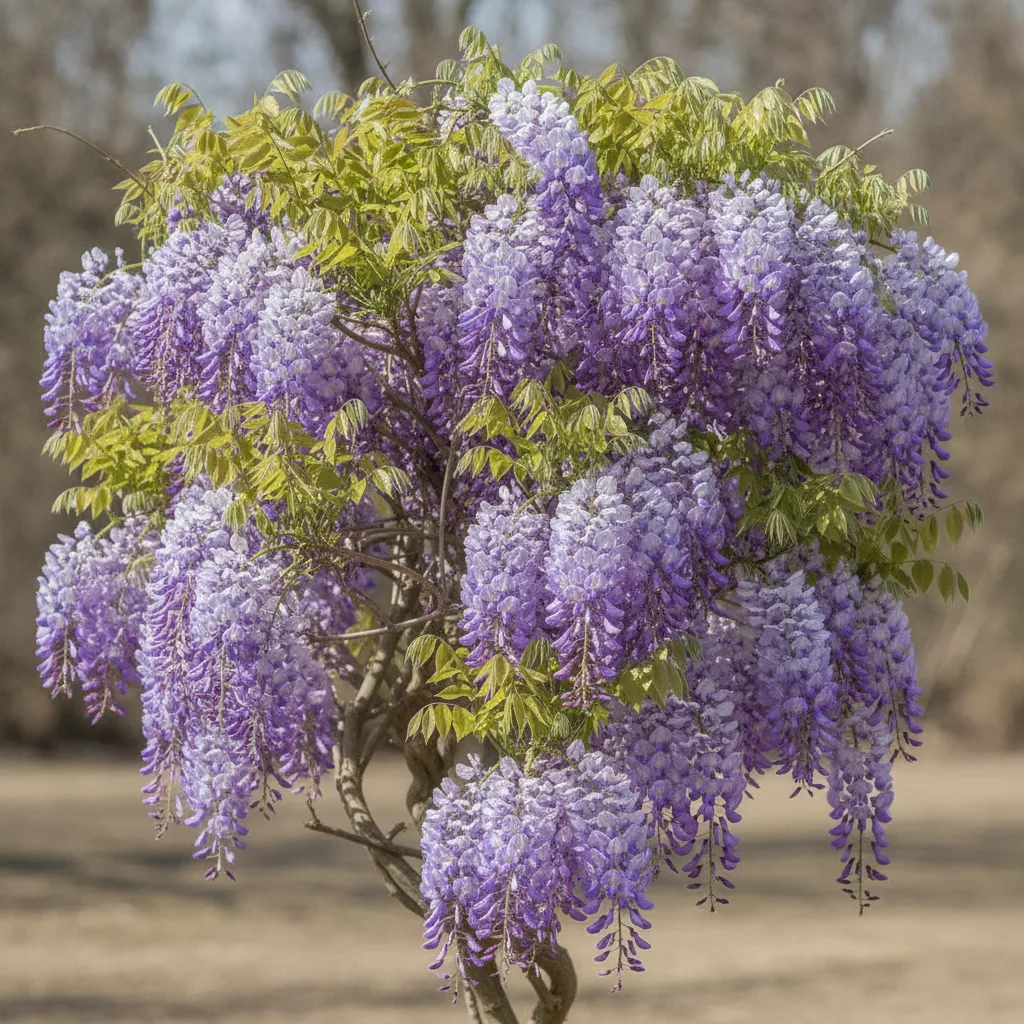 Chinese Wisteria · Wisteria sinensis A spectacular deciduous twining vine that drips with long, fragrant pendulous racemes of mauve-blue pea flowers before the leaves emerge in spring. Vigorous and long-lived, it demands a sturdy support.
 -
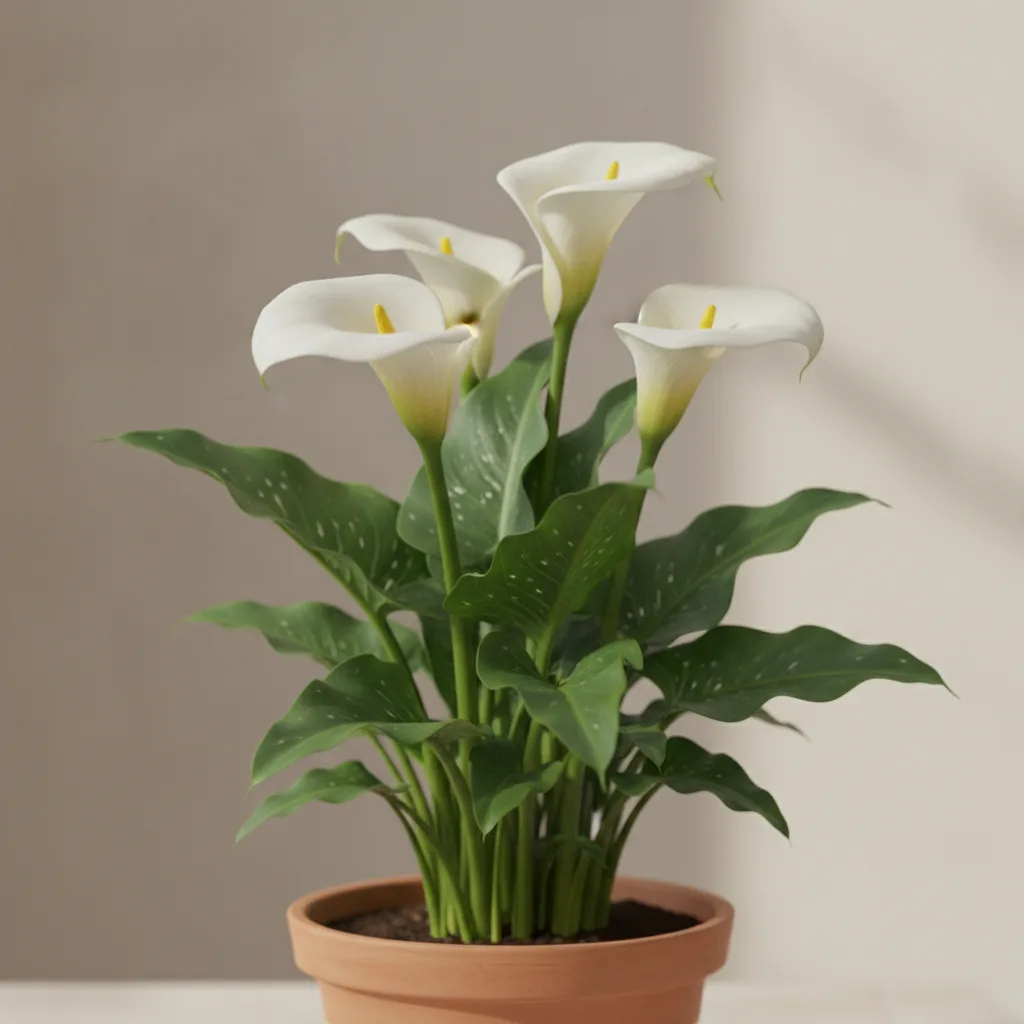 Calla Lily · Zantedeschia aethiopica Elegant white spathes curl around a yellow spadix above glossy arrow-shaped leaves, thriving in boggy ground. A serious environmental weed in parts of Australia and toxic to pets and people.