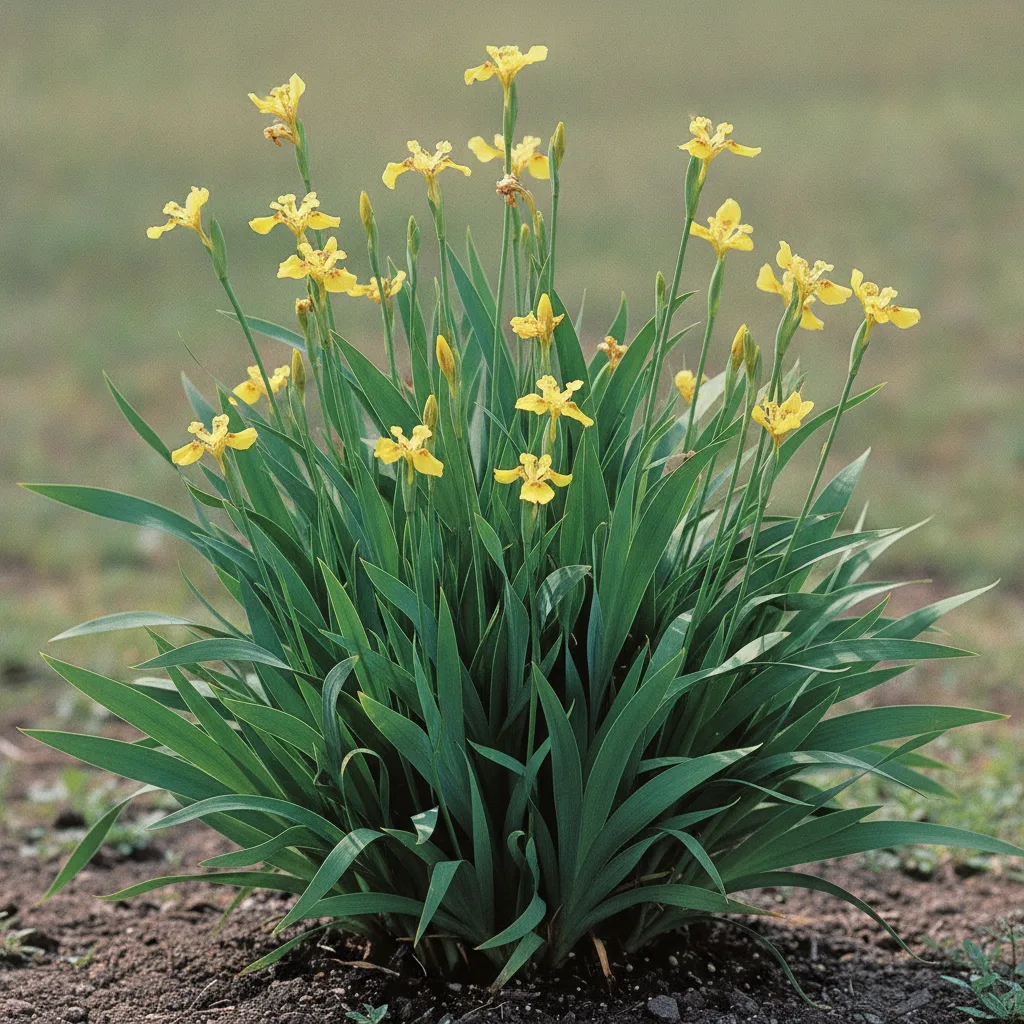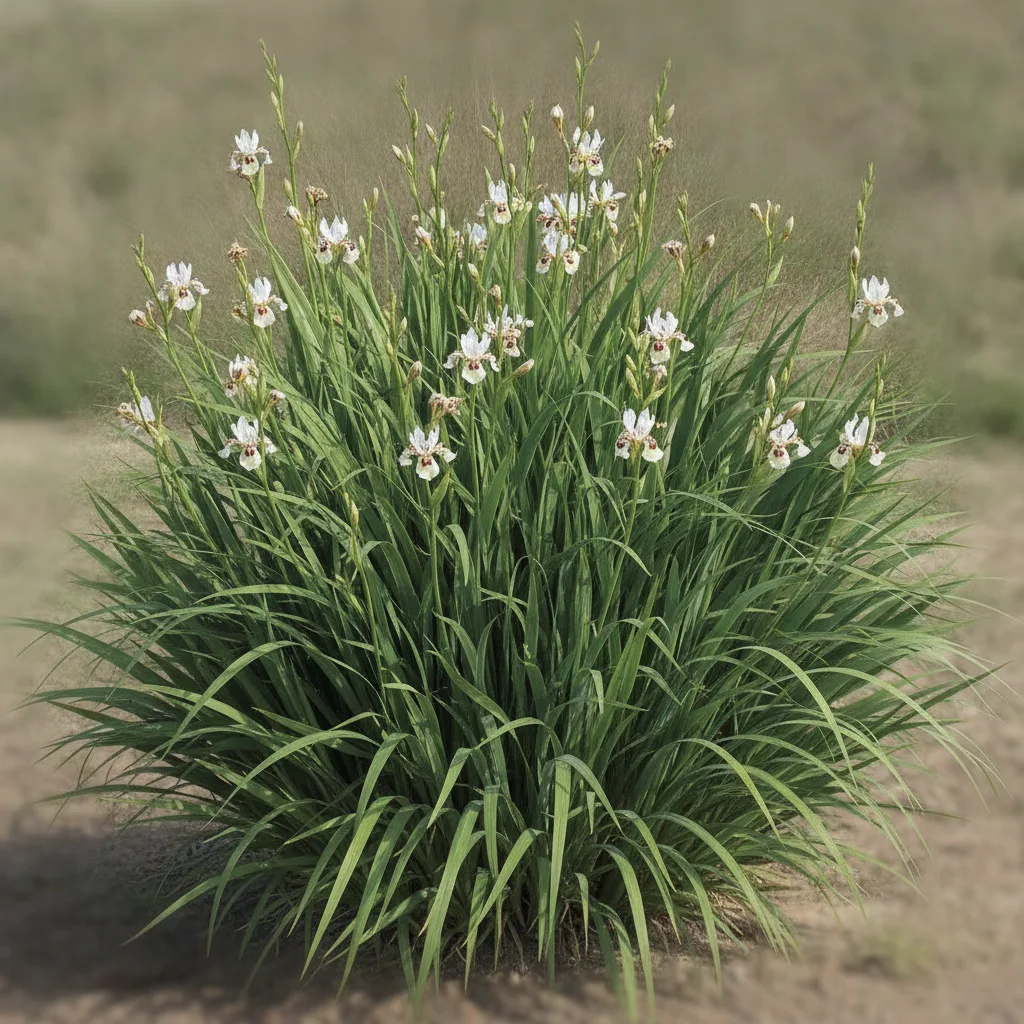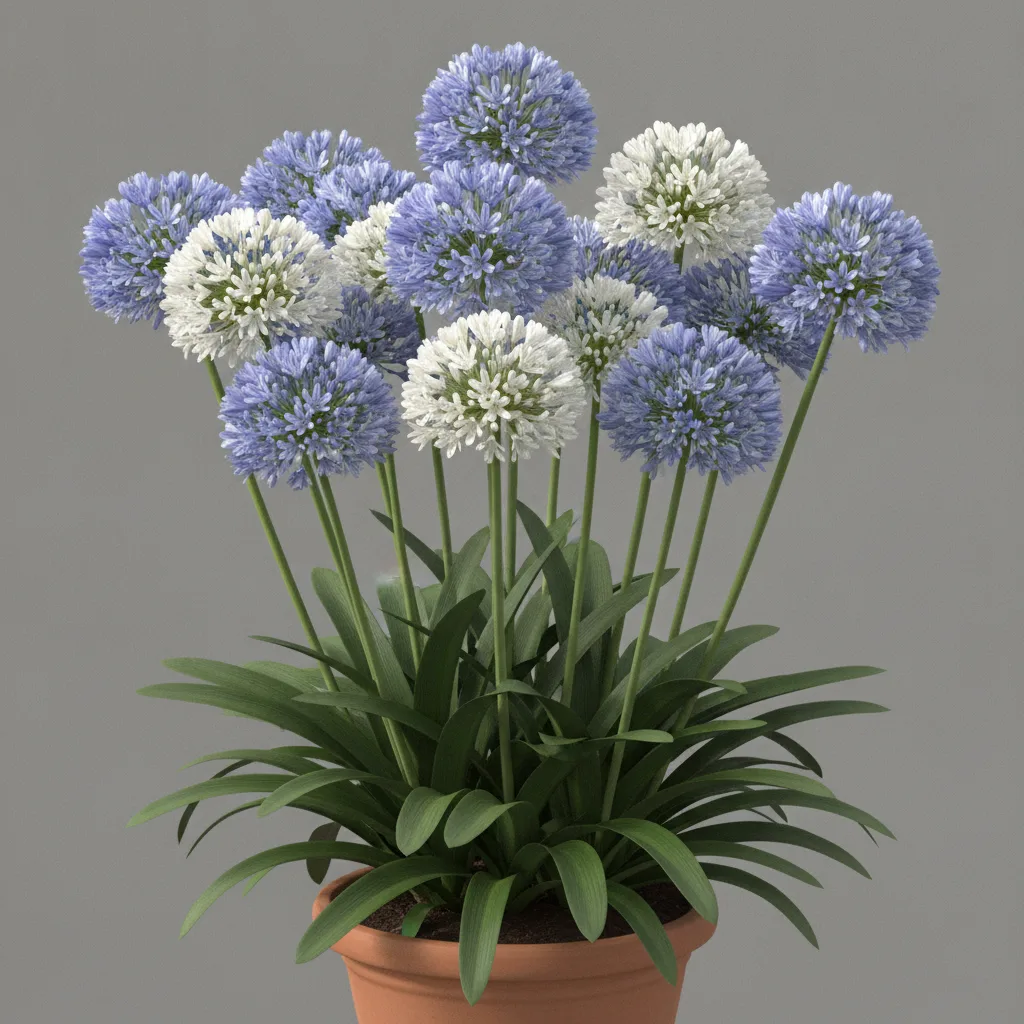
Spheres of blue or white flowers on tall stems above strappy clumps — a tough, drought-proof mass-planting staple. Choose sterile forms, as the species can self-seed into bushland.
At a glance
- Plant type: Perennial
- Mature size: 80 cm tall
- Aspect: full sun and part shade or morning sun
- Water: very drought tolerant once established
- Frost: hardy
- Maintenance: low maintenance
- Origin: Exotic
About Agapanthus
Agapanthus praecox is a fast-growing perennial in the Amaryllidaceae family. It reaches around 80 cm tall at maturity, with evergreen foliage. Blue and white flowers appear in summer.
Where to grow Agapanthus
Agapanthus suits warm-temperate, Mediterranean and subtropical climates and grows best in full sun and part shade or morning sun. It is frost hardy and shrugs off cold winters. It also tolerates salt-laden coastal winds and is a genuinely water-wise choice.
Soil & planting
Most soils suit Agapanthus provided drainage is reasonable. Plant into well-prepared ground, firm the soil around the roots and water deeply to settle it in.
Watering & feeding
Agapanthus handles dry conditions well once established. Apply a balanced fertiliser in spring to support healthy growth. Check moisture below the mulch during establishment and water thoroughly when needed rather than following a rigid schedule.
Pruning & care
Prune Agapanthus after flowering to keep it compact and encourage the next flush of blooms. Its ongoing care level is low maintenance.
Using Agapanthus in the garden
Agapanthus earns its place for a feature or specimen planting, pots and courtyard containers and holding soil on banks and slopes. It is equally at home in the ground or a large pot on a balcony or courtyard.
Companion planting & design
Build the planting around neighbours suited to the same dry conditions once established and warm-temperate climate as Agapanthus. Repeating the foliage or flower colour nearby will make the composition feel deliberate.
Good to know
Be aware it can self-seed or spread into bushland in some regions — check it is not a declared weed in your area before planting.