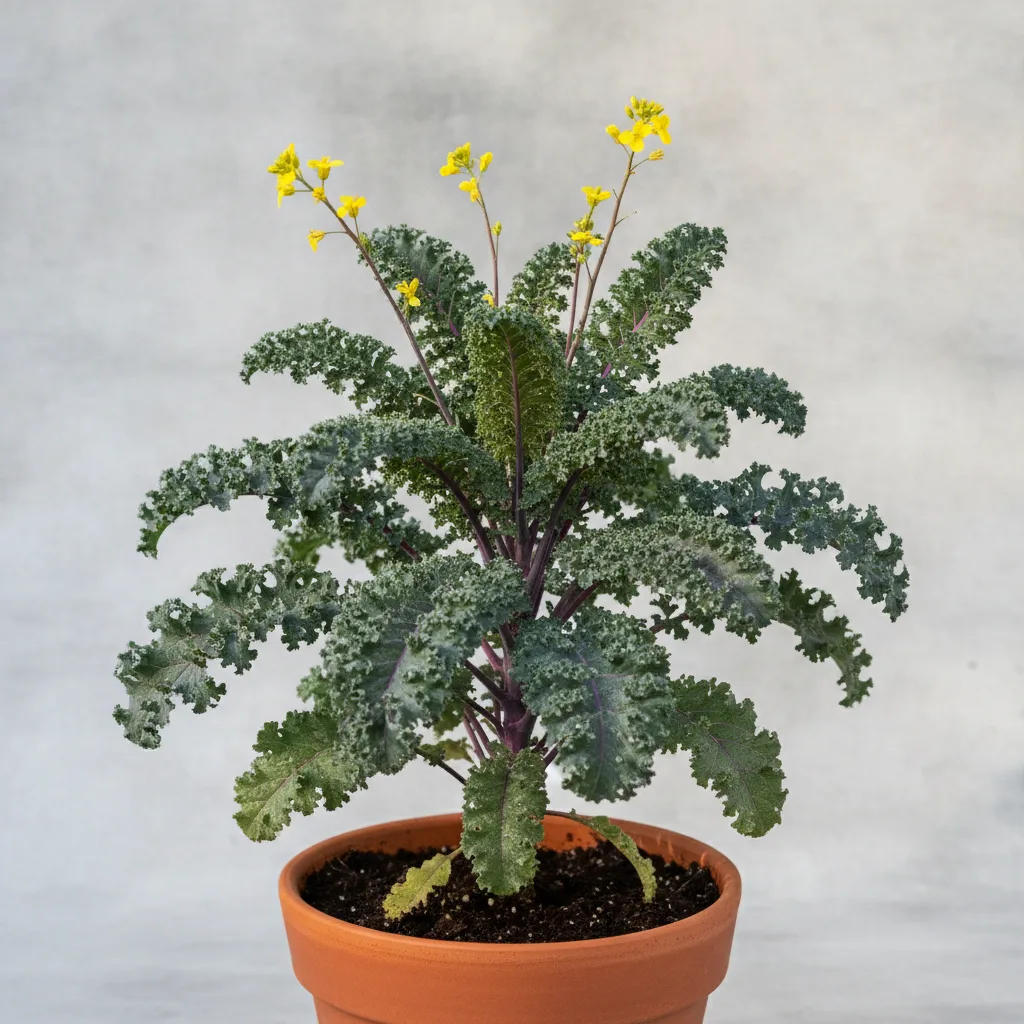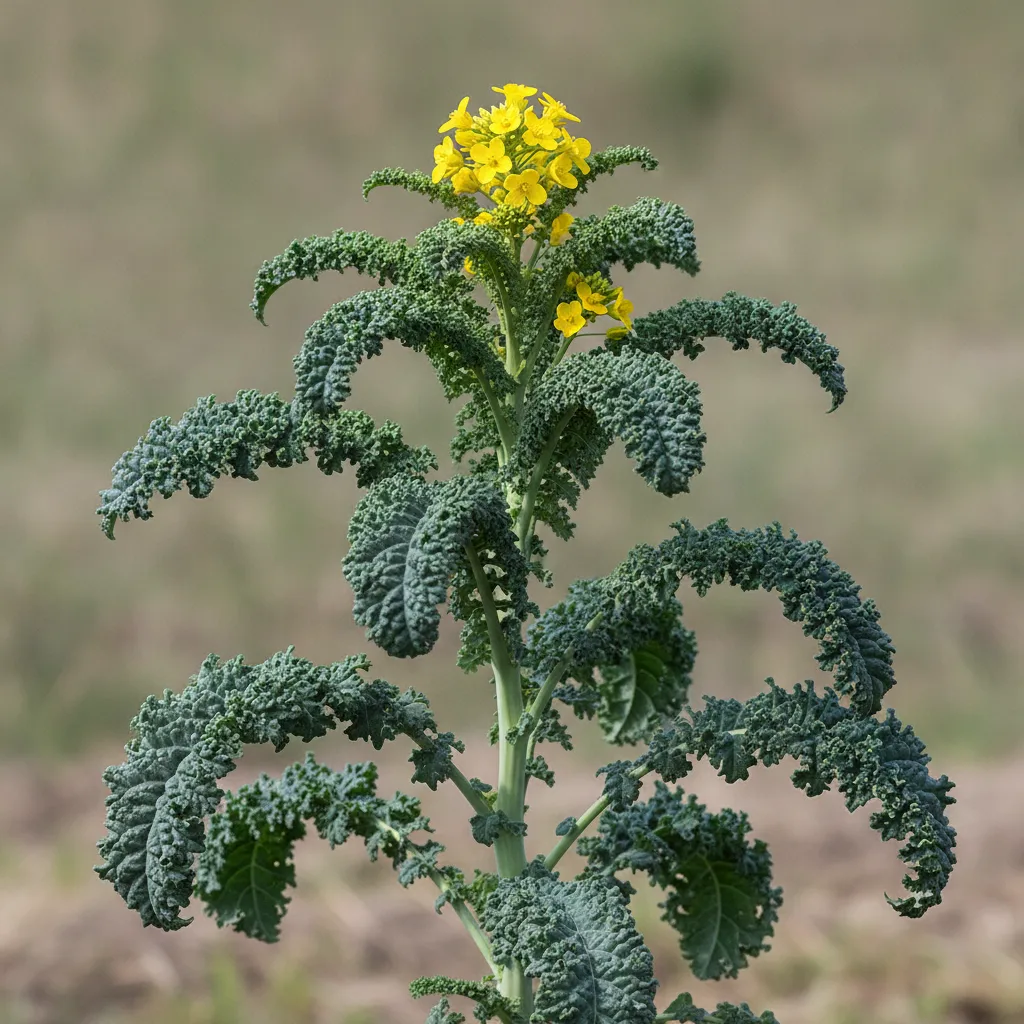
An Italian heirloom kale with long, blistered, near-black leaves of deep, savoury flavour. Hardy and productive, it sweetens after frost and crops for months.
At a glance
- Plant type: Edible plant
- Mature size: 80 cm tall
- Aspect: full sun and part shade or morning sun
- Water: regular, moderate watering
- Frost: hardy
- Maintenance: low maintenance
- Origin: Exotic
About Kale 'Tuscan'
Brassica oleracea 'Tuscan' is a moderate-growing edible plant in the Brassicaceae family. It reaches around 80 cm tall at maturity.
Where to grow Kale 'Tuscan'
Kale 'Tuscan' suits cool-temperate and warm-temperate climates and grows best in full sun and part shade or morning sun. It is frost hardy and shrugs off cold winters.
Soil & planting
Kale 'Tuscan' does best in free-draining and loamy soil. Plant into well-prepared ground, firm the soil around the roots and water deeply to settle it in.
Watering & feeding
Kale 'Tuscan' does best with regular, moderate watering. Feed regularly through the growing season for the best crop. Check moisture below the mulch during establishment and water thoroughly when needed rather than following a rigid schedule.
Pruning & care
Tip-prune Kale 'Tuscan' in spring to maintain a dense, shapely habit. For most gardens, it is low maintenance.
Using Kale 'Tuscan' in the garden
Kale 'Tuscan' earns its place for edible harvests and pots and courtyard containers. It is equally at home in the ground or a large pot on a balcony or courtyard.
Companion planting & design
Kale 'Tuscan' sits most comfortably beside plants adapted to regular, moderate watering and cool-temperate climate. A small cluster gives stronger visual impact than isolated plants scattered through the garden.
Good to know
Note that it is toxic to cats and dogs, so site it away from pets that chew.
Buying Kale 'Tuscan'
Plant Sale lists Kale 'Tuscan' as seed and seedlings. Use the quote builder above to ask about current stock, sizes and pricing.
Prefer to grow it yourself? See the Kale 'Tuscan' seed sowing guide for depth, timing and germination.