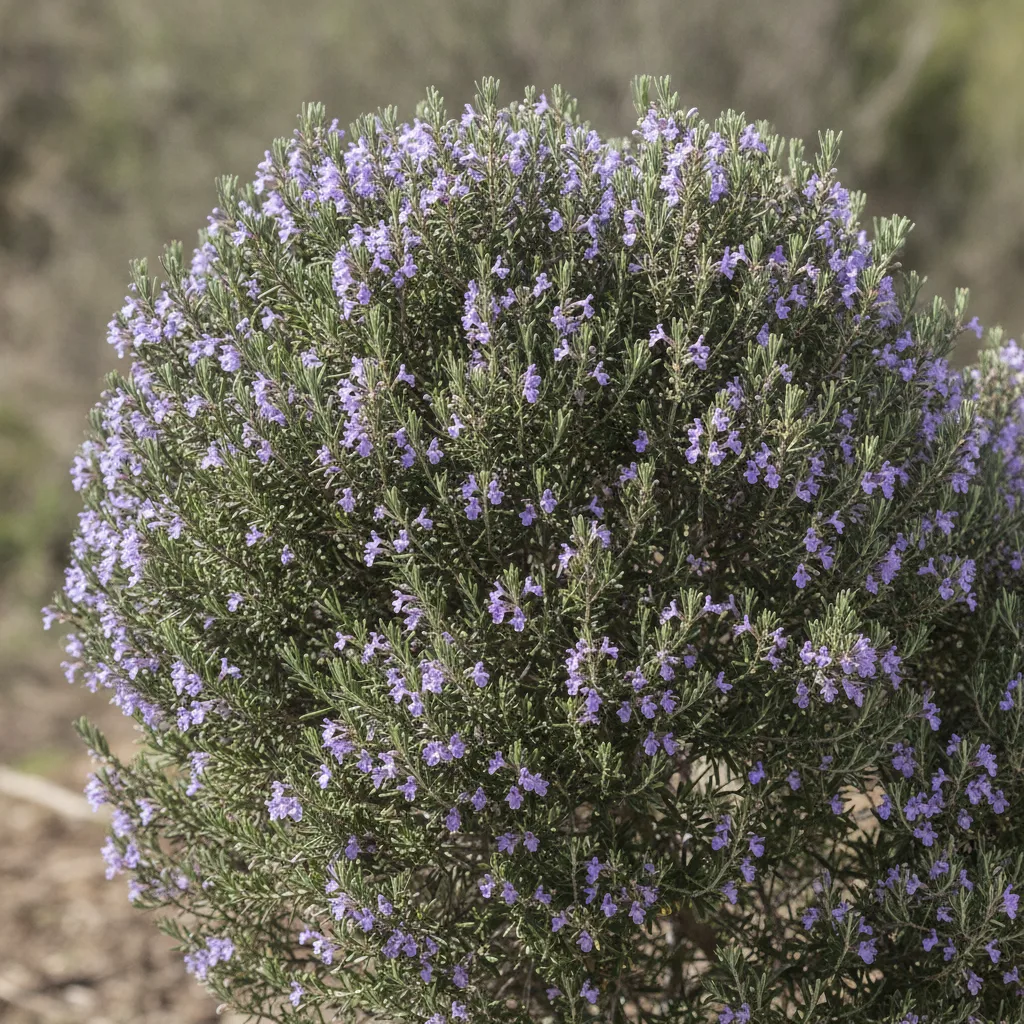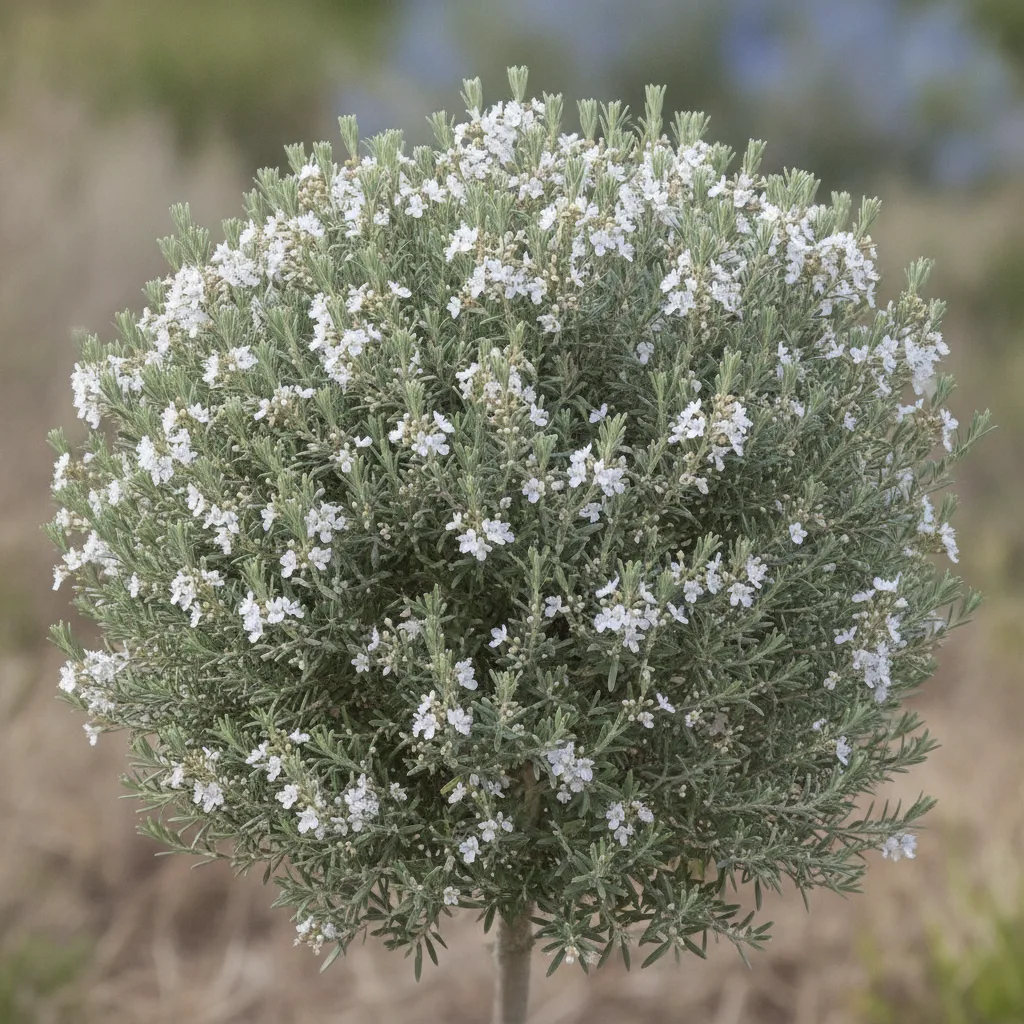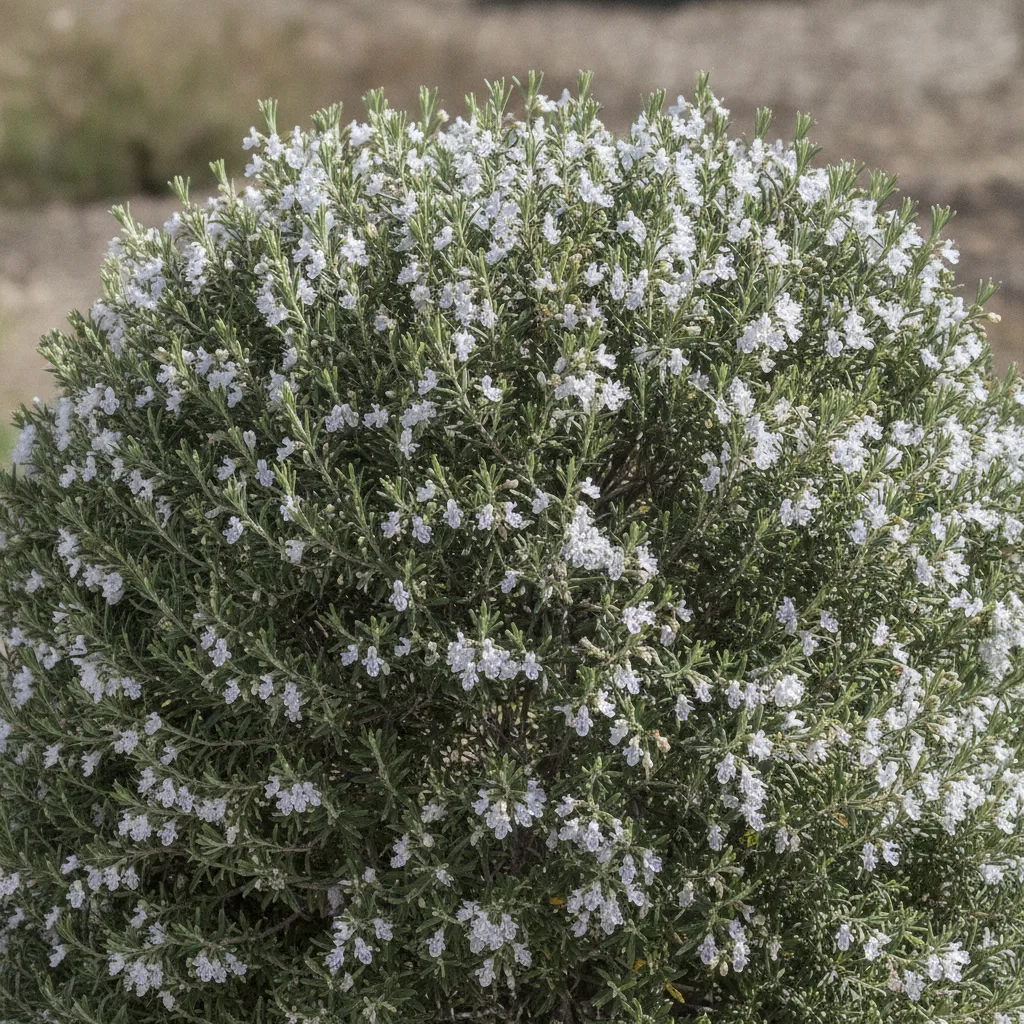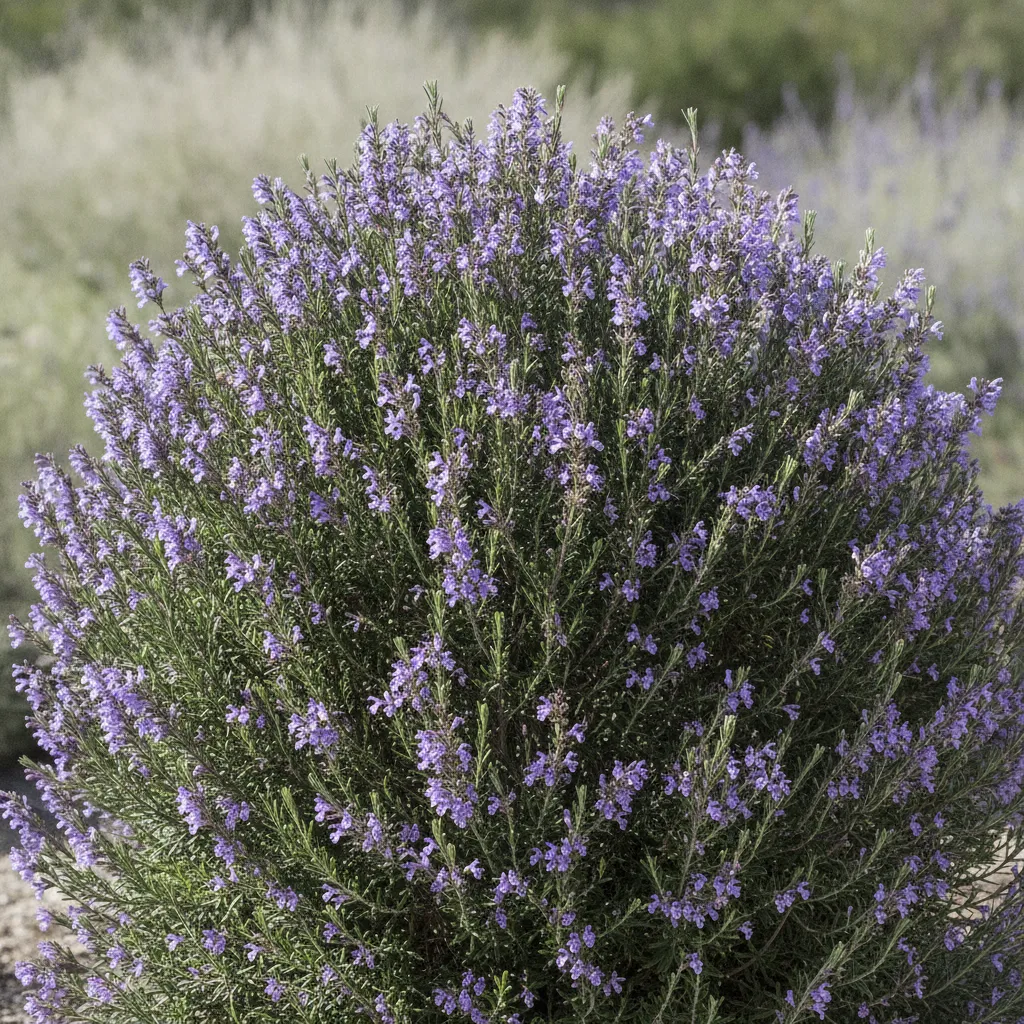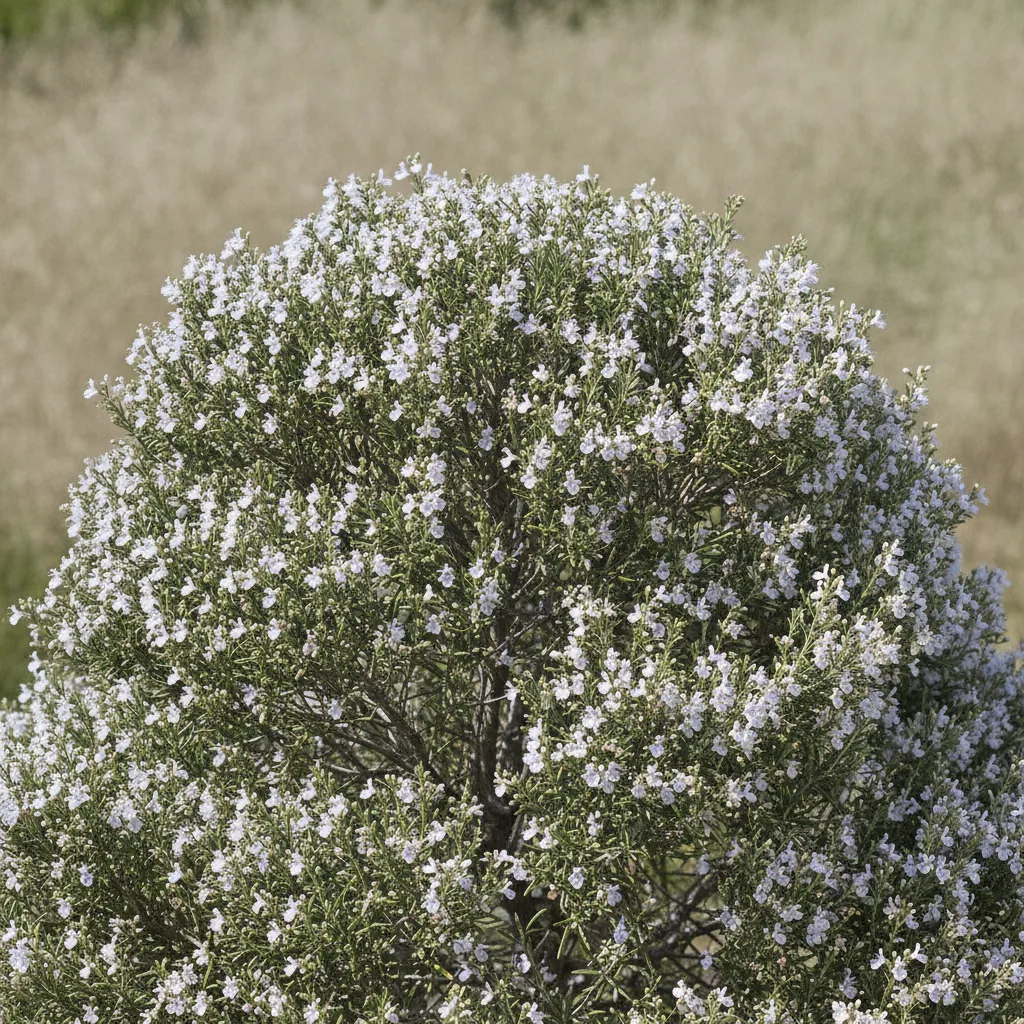
A soft grey-green coastal shrub that clips beautifully into hedges and balls. Salt-proof, drought-proof and flowering most of the year — the native answer to box and lavender.
At a glance
- Plant type: Shrub
- Mature size: 1.5 m tall
- Aspect: full sun
- Water: very drought tolerant once established
- Frost: hardy
- Maintenance: low maintenance
- Origin: Australian native
About Coastal Rosemary
Botanically, Westringia fruticosa is a fast-growing shrub in the Lamiaceae family, native to New South Wales. It reaches around 1.5 m tall at maturity, with evergreen and silver-grey foliage. White flowers appear for much of the year.
Where to grow Coastal Rosemary
Coastal Rosemary suits warm-temperate, Mediterranean and subtropical climates and grows best in full sun. It is frost hardy and shrugs off cold winters. It also tolerates salt-laden coastal winds and is a genuinely water-wise choice.
Soil & planting
Most soils suit Coastal Rosemary provided drainage is reasonable. Dig in plenty of compost before planting, water in well, and mulch to keep roots cool.
Watering & feeding
Coastal Rosemary handles dry conditions well once established. As an Australian native, feed it only with a low-phosphorus native fertiliser. New plantings need closer moisture checks in hot or windy weather, with watering tapered once strong new growth appears.
Pruning & care
Prune Coastal Rosemary after flowering to keep it compact and encourage the next flush of blooms. It clips well, so trim two or three times a year for a formal finish. Once established, it is low maintenance.
Using Coastal Rosemary in the garden
Coastal Rosemary earns its place for a fast screen or informal hedge, a feature or specimen planting and clipping into topiary.
Companion planting & design
For easier irrigation and care, group Coastal Rosemary with species that also favour dry conditions once established and warm-temperate climate. Leave enough room for the mature spread so neighbouring plants are not crowded out. It combines naturally with other Australian natives in a habitat or water-wise garden.