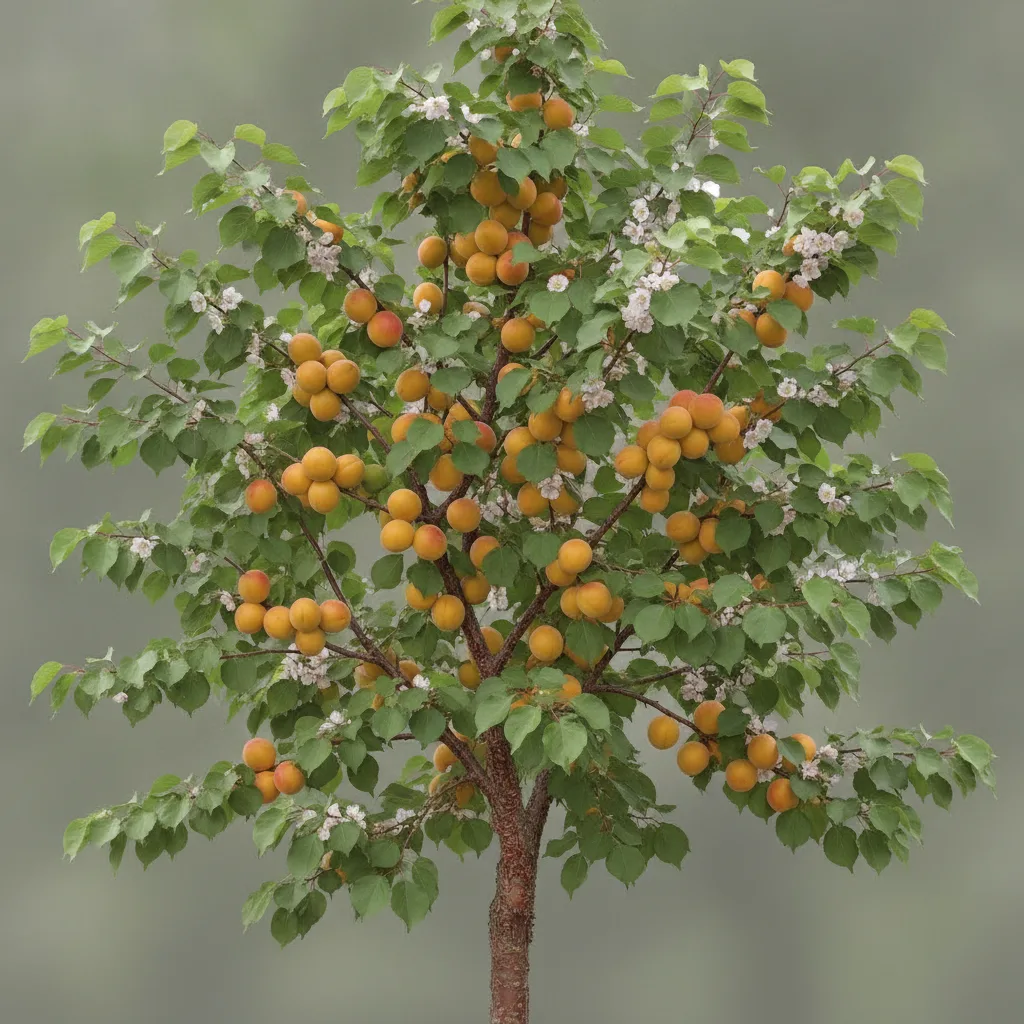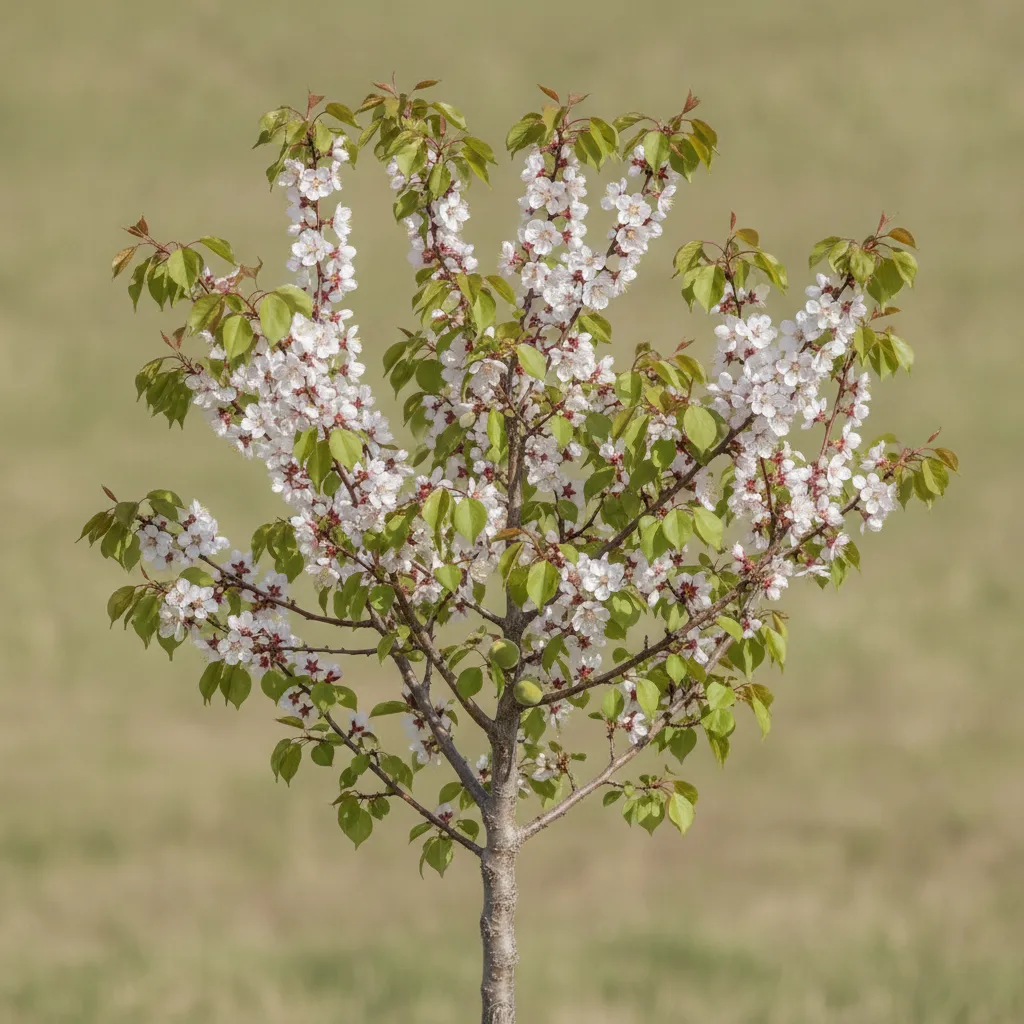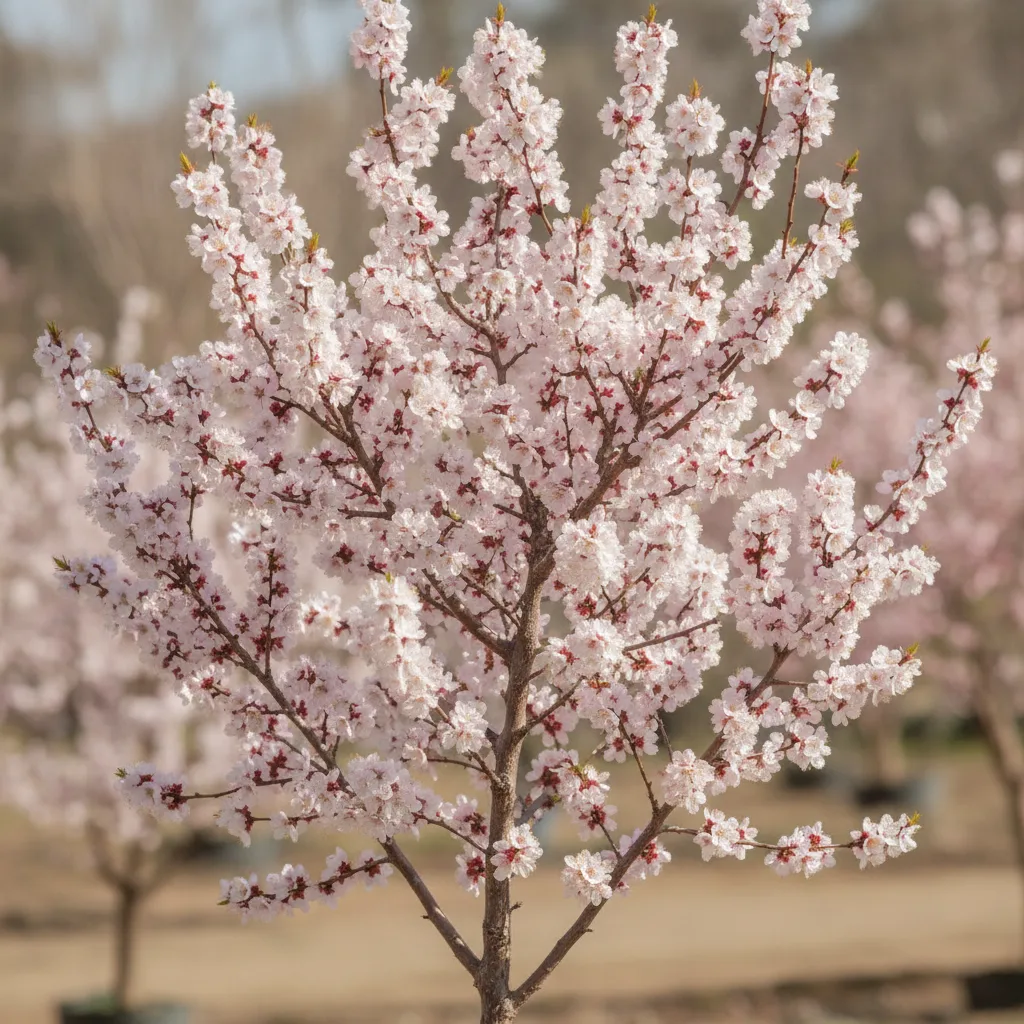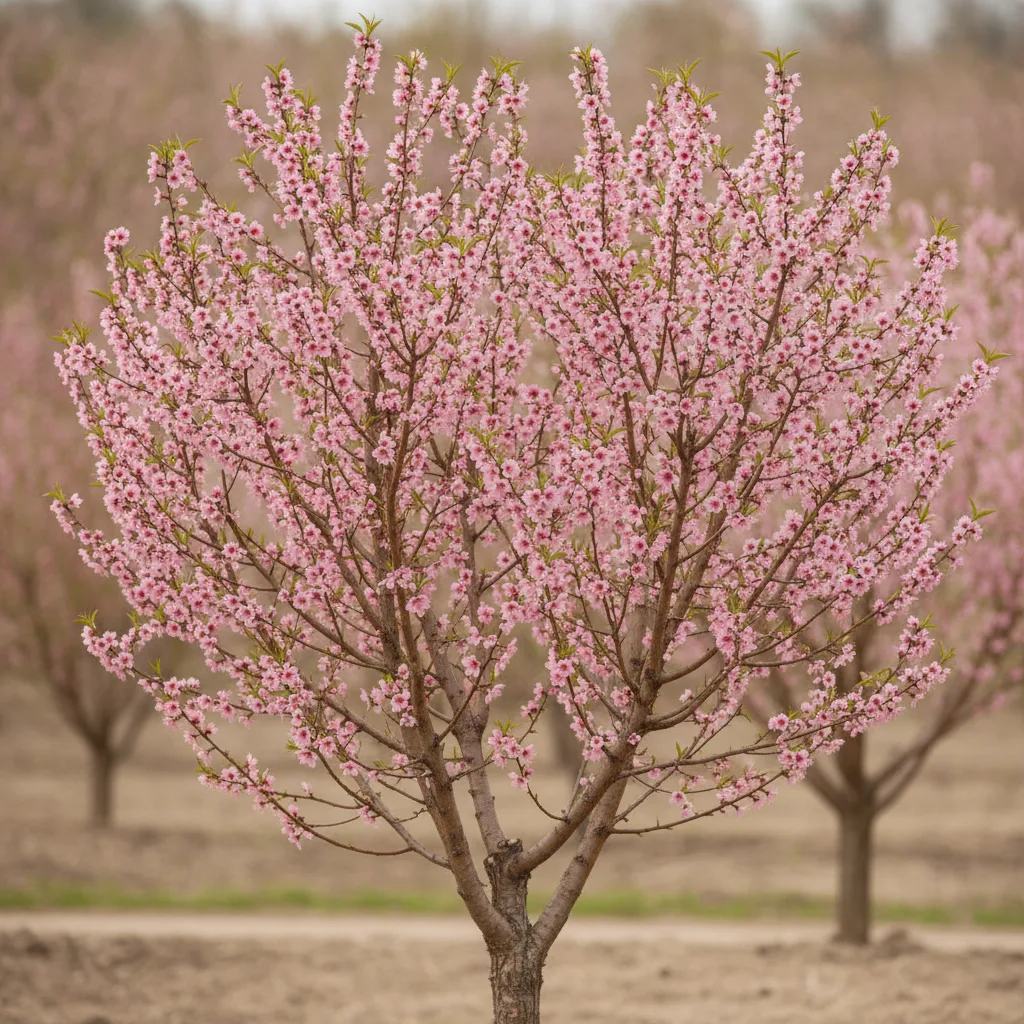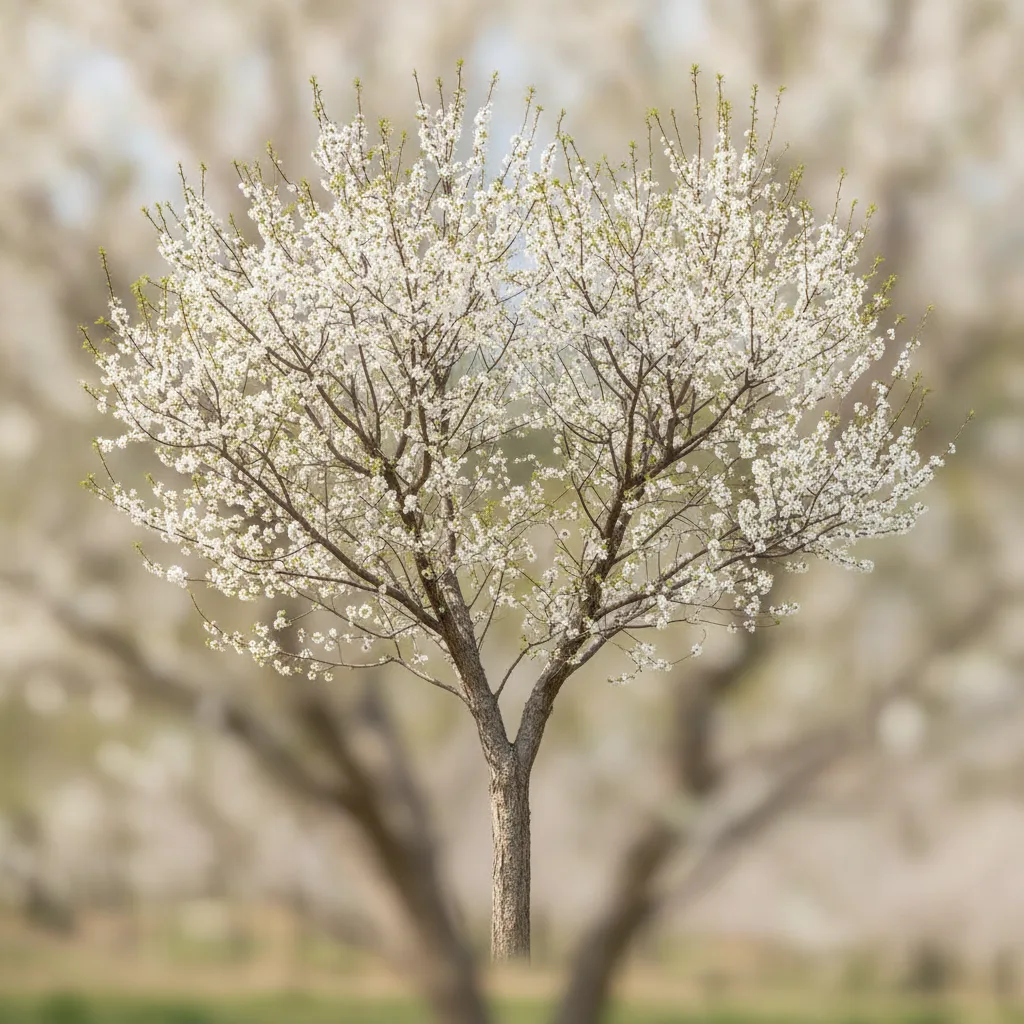
A widely grown Japanese plum with reddish-purple skin and sweet-tart amber flesh, good fresh or cooked. Largely self-fertile and an excellent pollinator for other Japanese plums, cropping in mid-summer.
At a glance
- Plant type: Fruiting tree
- Mature size: 4.5 m H × 4 m W
- Aspect: full sun
- Water: regular, moderate watering
- Frost: hardy
- Maintenance: moderate maintenance
- Origin: Exotic
About Santa Rosa Plum
Botanically, Prunus salicina 'Santa Rosa' is a fast-growing fruiting tree in the Rosaceae family. It reaches around 4.5 m tall and 4 m wide at maturity, with deciduous foliage. White flowers appear in spring.
Where to grow Santa Rosa Plum
Santa Rosa Plum suits warm-temperate, cool-temperate and Mediterranean climates and grows best in full sun. It is frost hardy and shrugs off cold winters.
Soil & planting
Santa Rosa Plum does best in free-draining and loamy soil. Dig in plenty of compost before planting, water in well, and mulch to keep roots cool.
Watering & feeding
Santa Rosa Plum does best with regular, moderate watering. Feed regularly through the growing season for the best crop. For the first year, favour occasional deep watering over frequent shallow drinks so roots move into the surrounding soil.
Pruning & care
Prune Santa Rosa Plum after flowering to keep it compact and encourage the next flush of blooms. Overall it is moderate maintenance.
Using Santa Rosa Plum in the garden
Santa Rosa Plum earns its place for edible harvests and a feature or specimen planting.
Companion planting & design
Combine Santa Rosa Plum with plants that share its preference for regular, moderate watering and warm-temperate climate. Use an odd-numbered group where space allows, or repeat it at intervals through a longer bed.
Buying Santa Rosa Plum
Plant Sale lists Santa Rosa Plum as bare-root stock, advanced specimens and potted plants. Current stock is confirmed with your quote; ask about your preferred size before planning a purchase.