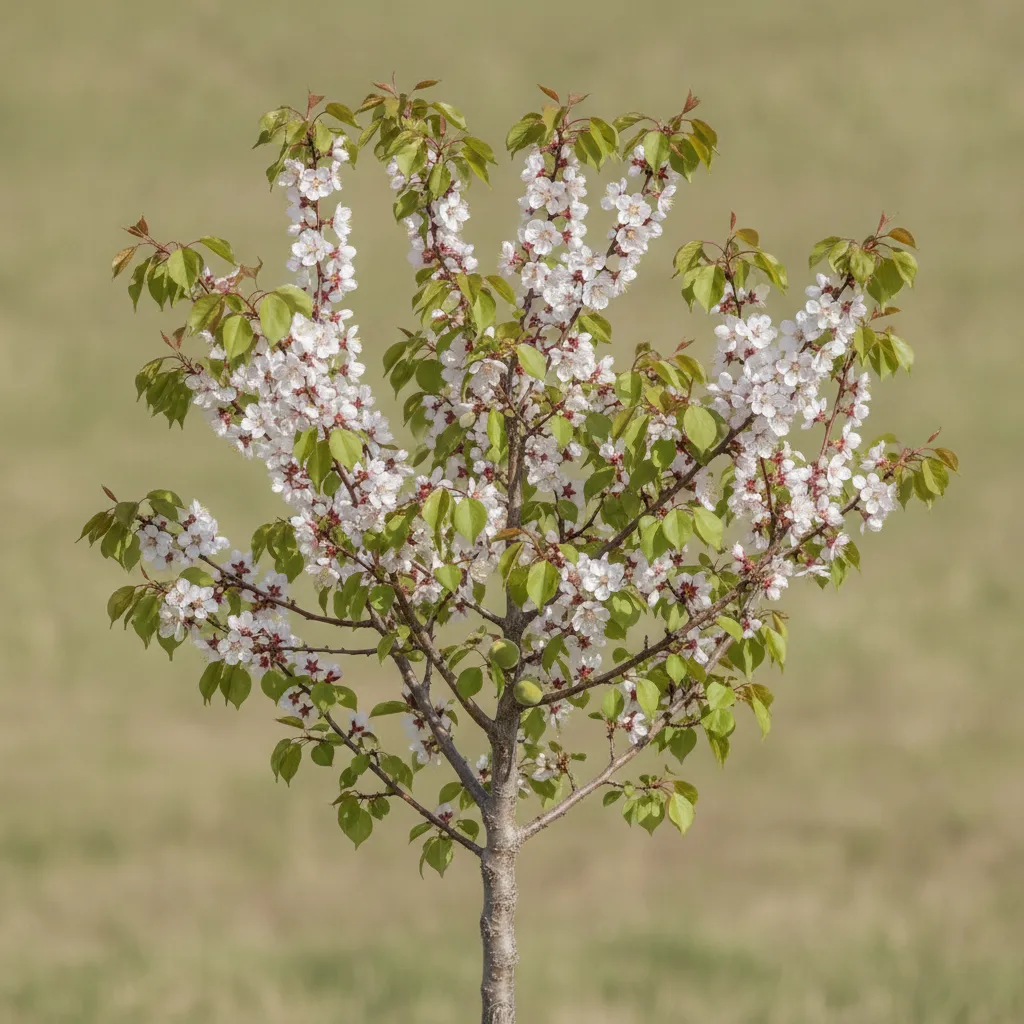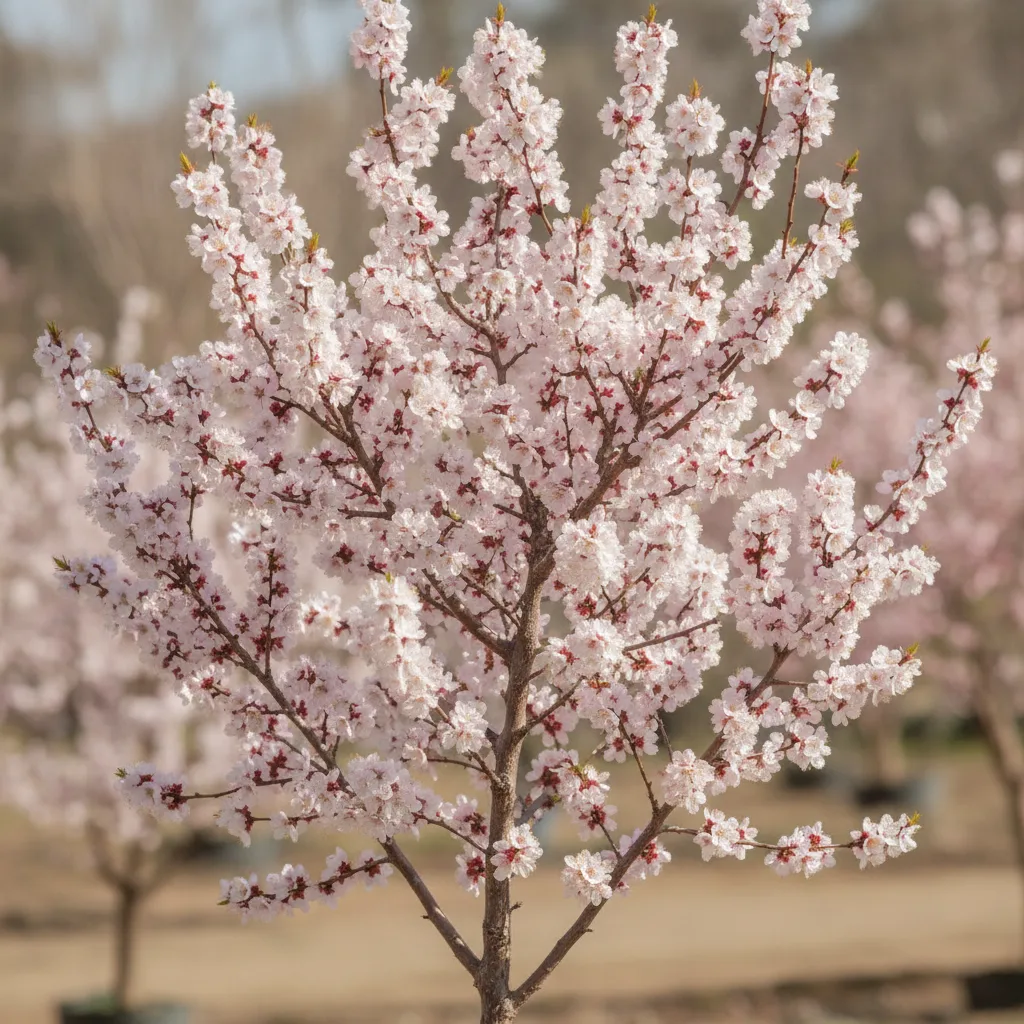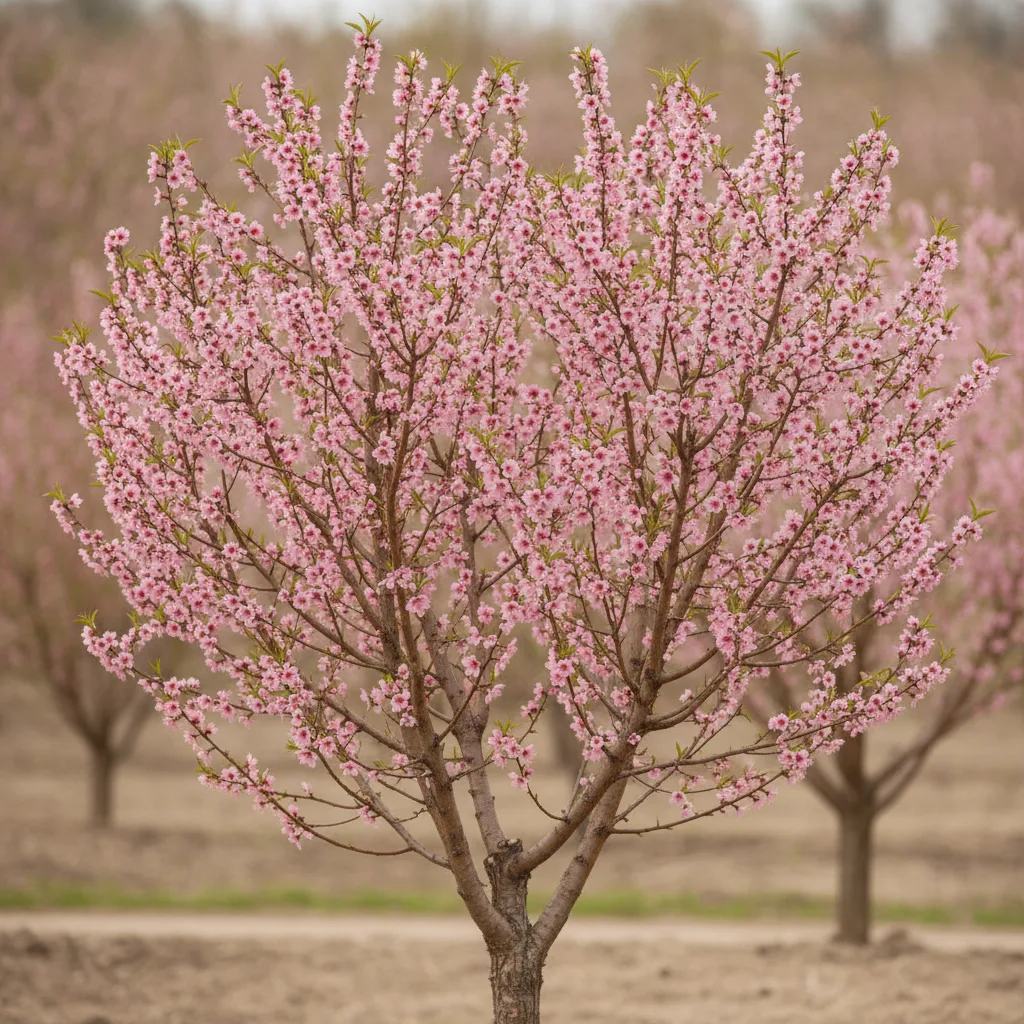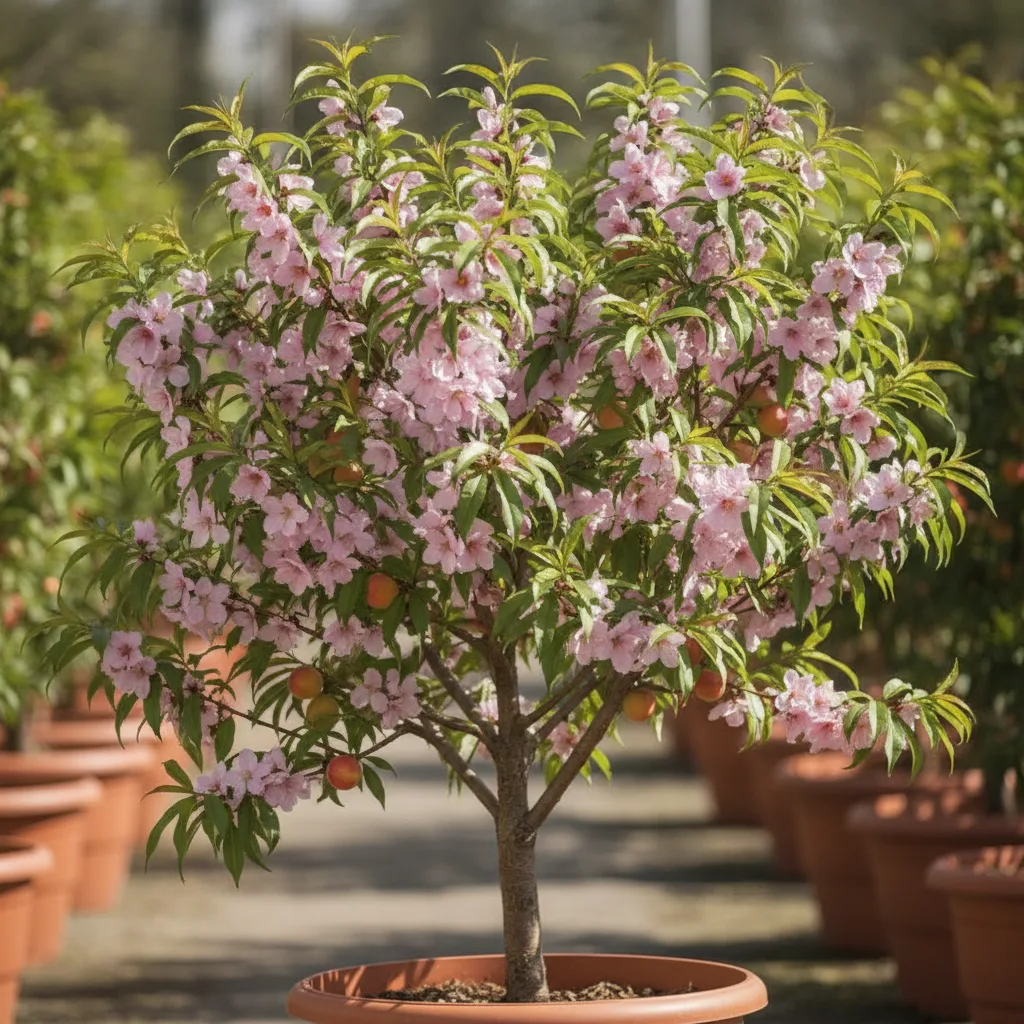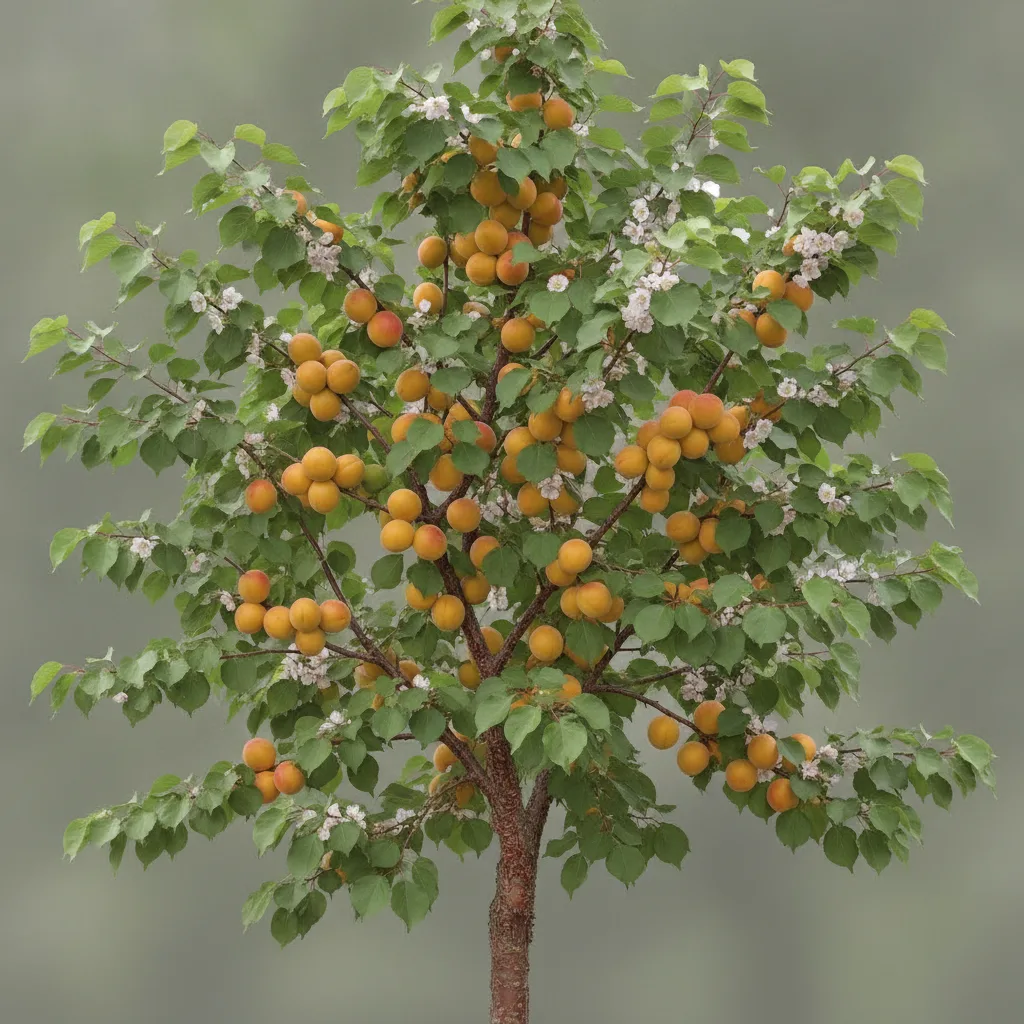
Early white-pink blossom and golden, honey-sweet midsummer fruit on a mostly self-fertile tree. Flowers early, so a sheltered spot guards the crop against late frosts.
At a glance
- Plant type: Fruiting tree
- Mature size: 4.5 m H × 4 m W
- Aspect: full sun
- Water: regular, moderate watering
- Frost: hardy
- Maintenance: moderate maintenance
- Origin: Exotic
About Apricot
Prunus armeniaca is a moderate-growing fruiting tree in the Rosaceae family. It reaches around 4.5 m tall and 4 m wide at maturity, with deciduous foliage.
Where to grow Apricot
Apricot suits warm-temperate, cool-temperate and Mediterranean climates and grows best in full sun. It is frost hardy and shrugs off cold winters.
Soil & planting
Apricot does best in free-draining soil. Plant into well-prepared ground, firm the soil around the roots and water deeply to settle it in.
Watering & feeding
Apricot does best with regular, moderate watering. Feed regularly through the growing season for the best crop. Keep a newly planted specimen evenly watered through its first season; established plants can then follow the water needs above.
Pruning & care
Tip-prune Apricot in spring to maintain a dense, shapely habit. For most gardens, it is moderate maintenance.
Using Apricot in the garden
Apricot earns its place for edible harvests and a feature or specimen planting.
Companion planting & design
Apricot sits most comfortably beside plants adapted to regular, moderate watering and warm-temperate climate. A small cluster gives stronger visual impact than isolated plants scattered through the garden.
Buying Apricot
Plant Sale lists Apricot as potted plants, advanced specimens and bare-root stock. Use the quote builder above to ask about current stock, sizes and pricing.