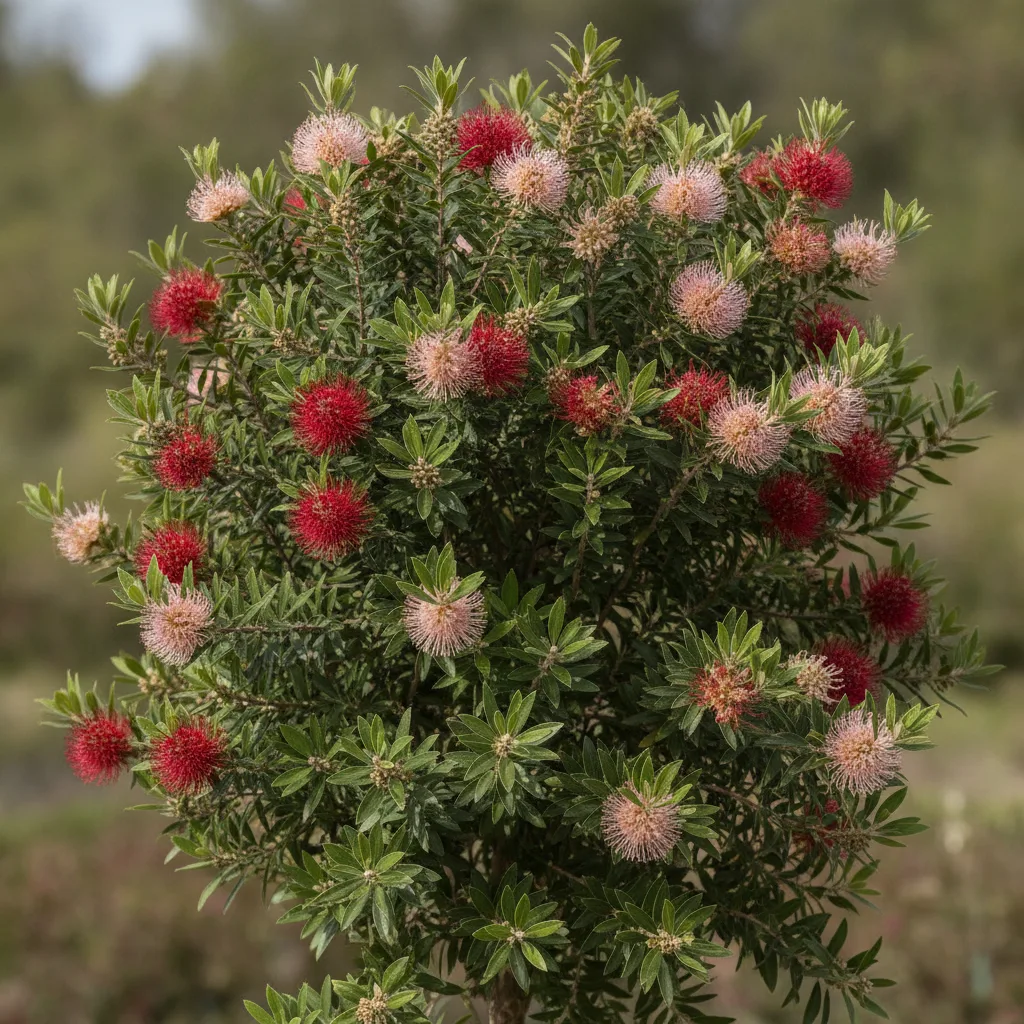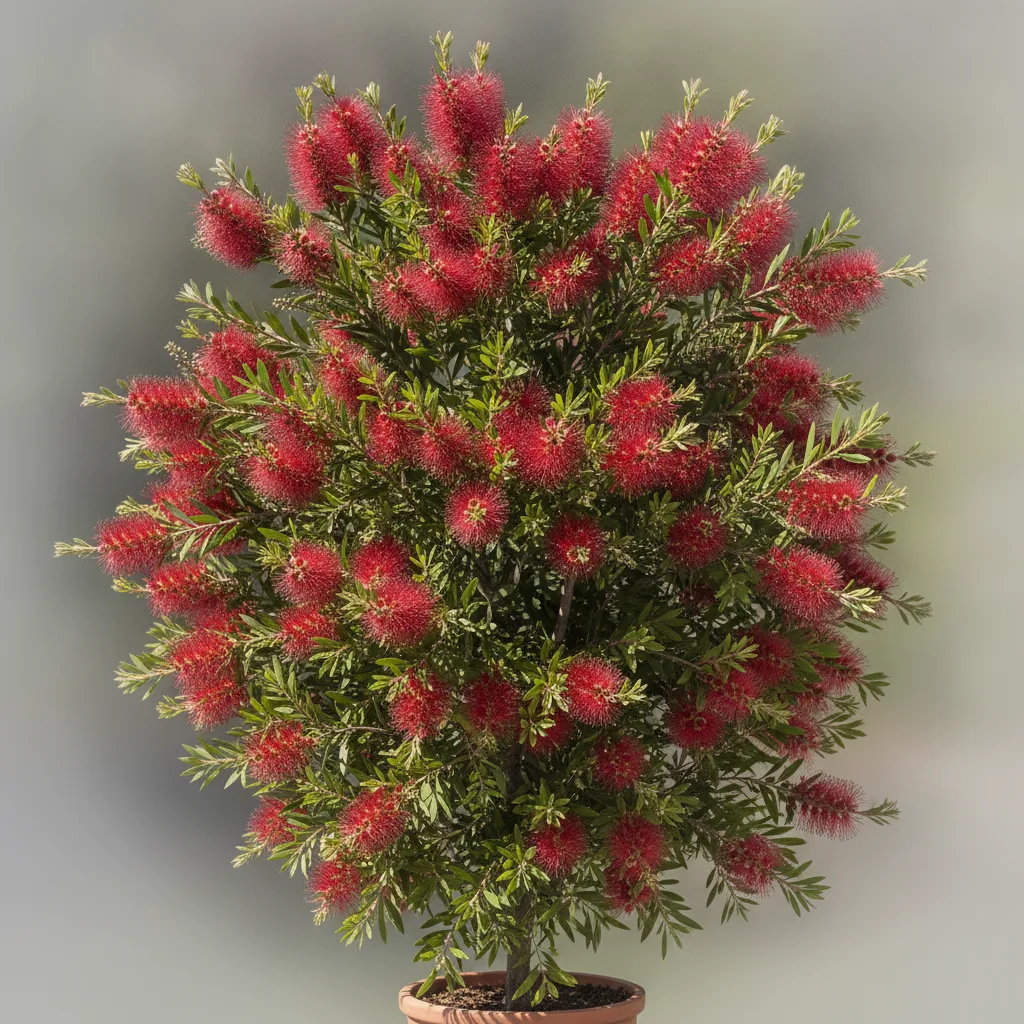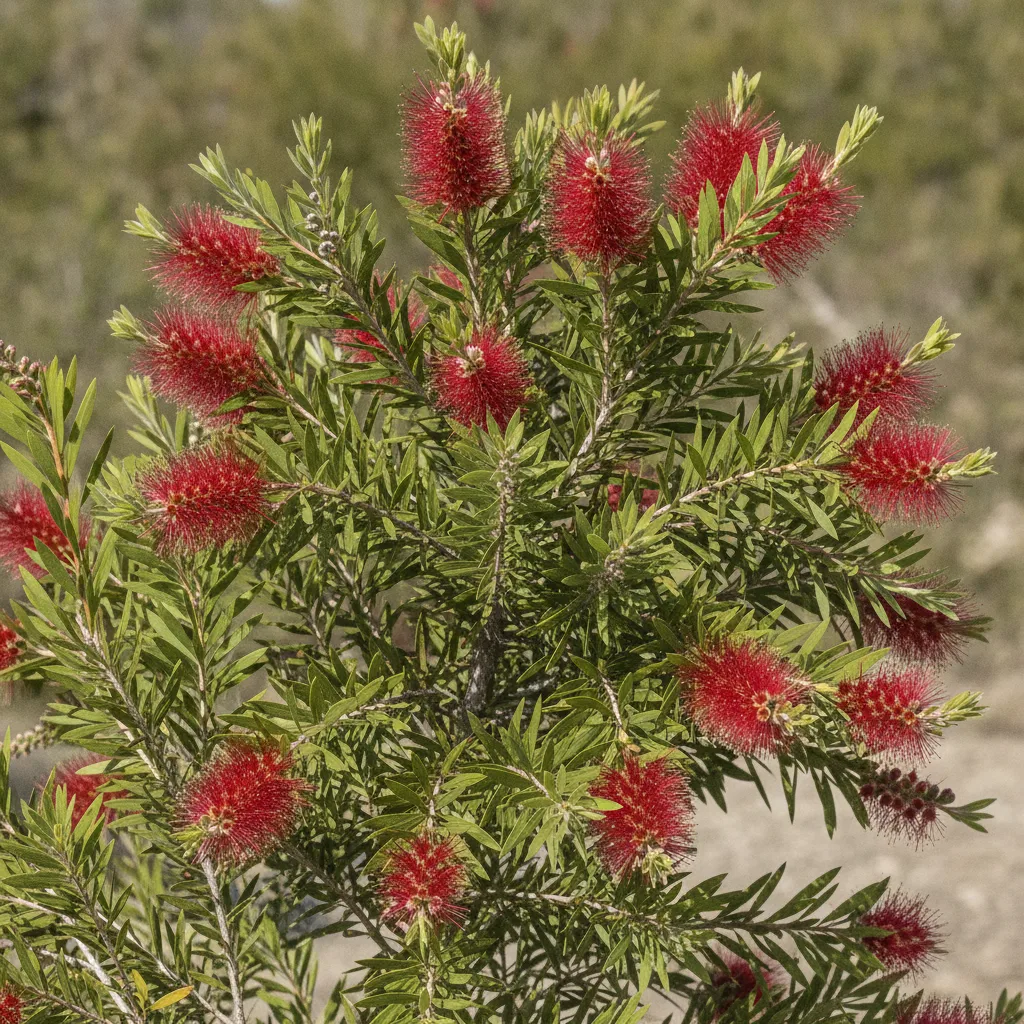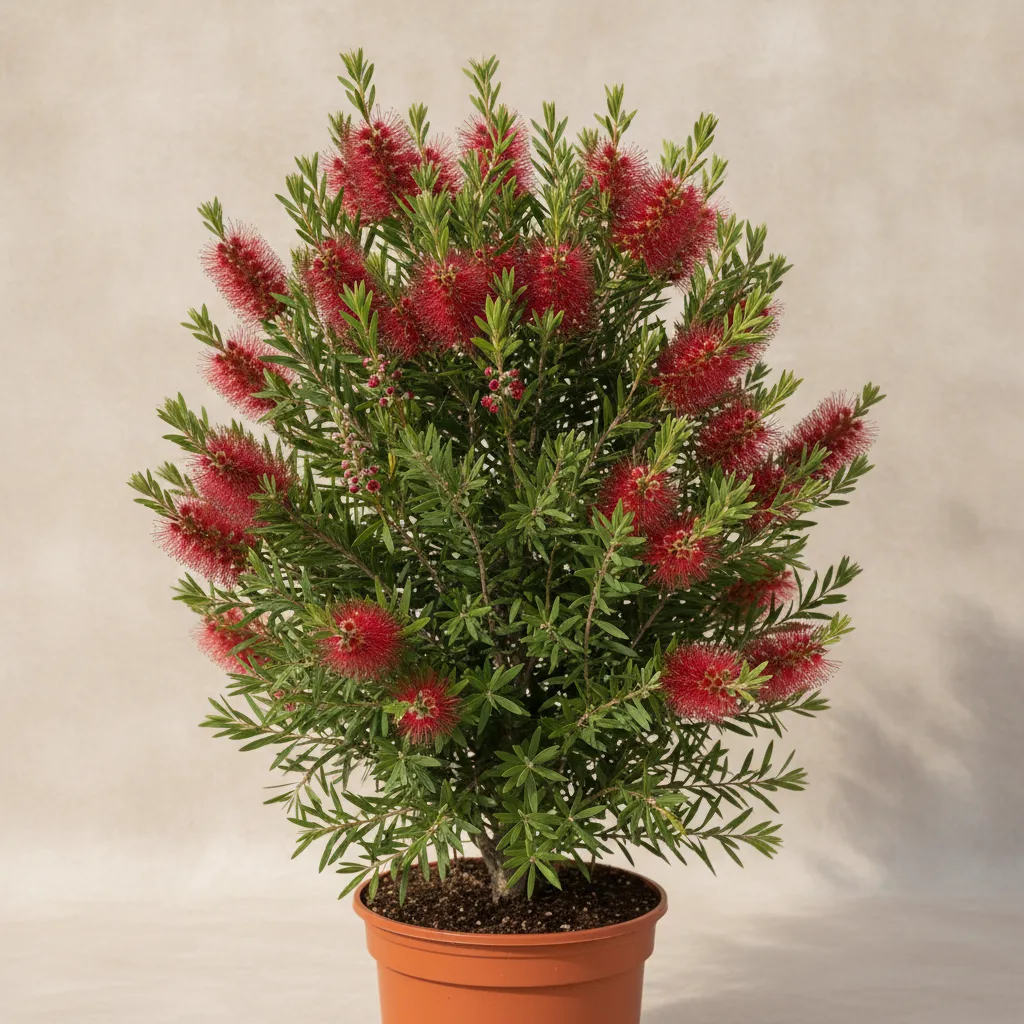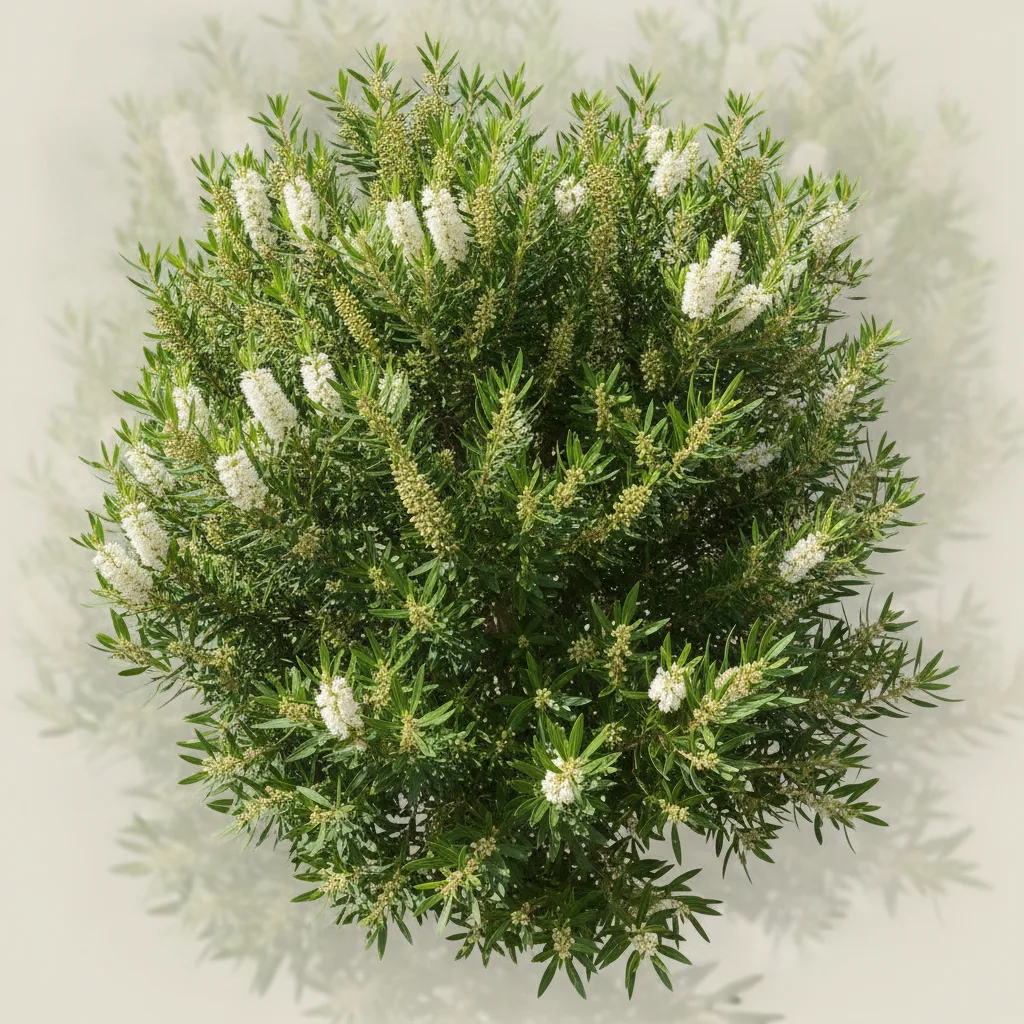
A fast, dense large shrub with willow-like leaves and clusters of small creamy flowers in spring. One of the best native plants for a quick screen or hedge.
At a glance
- Plant type: Shrub
- Mature size: 5 m H × 3 m W
- Aspect: full sun and part shade or morning sun
- Water: happy on low water
- Frost: hardy
- Maintenance: low maintenance
- Origin: Australian native
About Willow-leaved Hakea
Botanically, Hakea salicifolia is a fast-growing shrub in the Proteaceae family, native to New South Wales and Queensland. It reaches around 5 m tall and 3 m wide at maturity, with evergreen foliage. White and cream green flowers appear in spring.
Where to grow Willow-leaved Hakea
Willow-leaved Hakea suits warm-temperate, subtropical and cool-temperate climates and grows best in full sun and part shade or morning sun. It is frost hardy and shrugs off cold winters. It also tolerates salt-laden coastal winds and is a genuinely water-wise choice.
Soil & planting
Willow-leaved Hakea does best in free-draining, clay and sandy soil. Dig in plenty of compost before planting, water in well, and mulch to keep roots cool. For a screen, space plants about 1.8 m apart.
Watering & feeding
Willow-leaved Hakea performs well with relatively little water once established. As an Australian native, feed it only with a low-phosphorus native fertiliser — the Proteaceae are especially phosphorus-sensitive. For the first year, favour occasional deep watering over frequent shallow drinks so roots move into the surrounding soil.
Pruning & care
Prune Willow-leaved Hakea after flowering to keep it compact and encourage the next flush of blooms. It clips well, so trim two or three times a year for a formal finish. Overall it is low maintenance.
Using Willow-leaved Hakea in the garden
Willow-leaved Hakea earns its place for a fast screen or informal hedge, a windbreak and drawing nectar-feeding birds into the garden.
Companion planting & design
Combine Willow-leaved Hakea with plants that share its preference for low water use and warm-temperate climate. Use an odd-numbered group where space allows, or repeat it at intervals through a longer bed. It combines naturally with other Australian natives in a habitat or water-wise garden.
Buying Willow-leaved Hakea
Plant Sale lists Willow-leaved Hakea as tube stock, potted plants and advanced specimens. Current stock is confirmed with your quote; ask about your preferred size before planning a purchase.