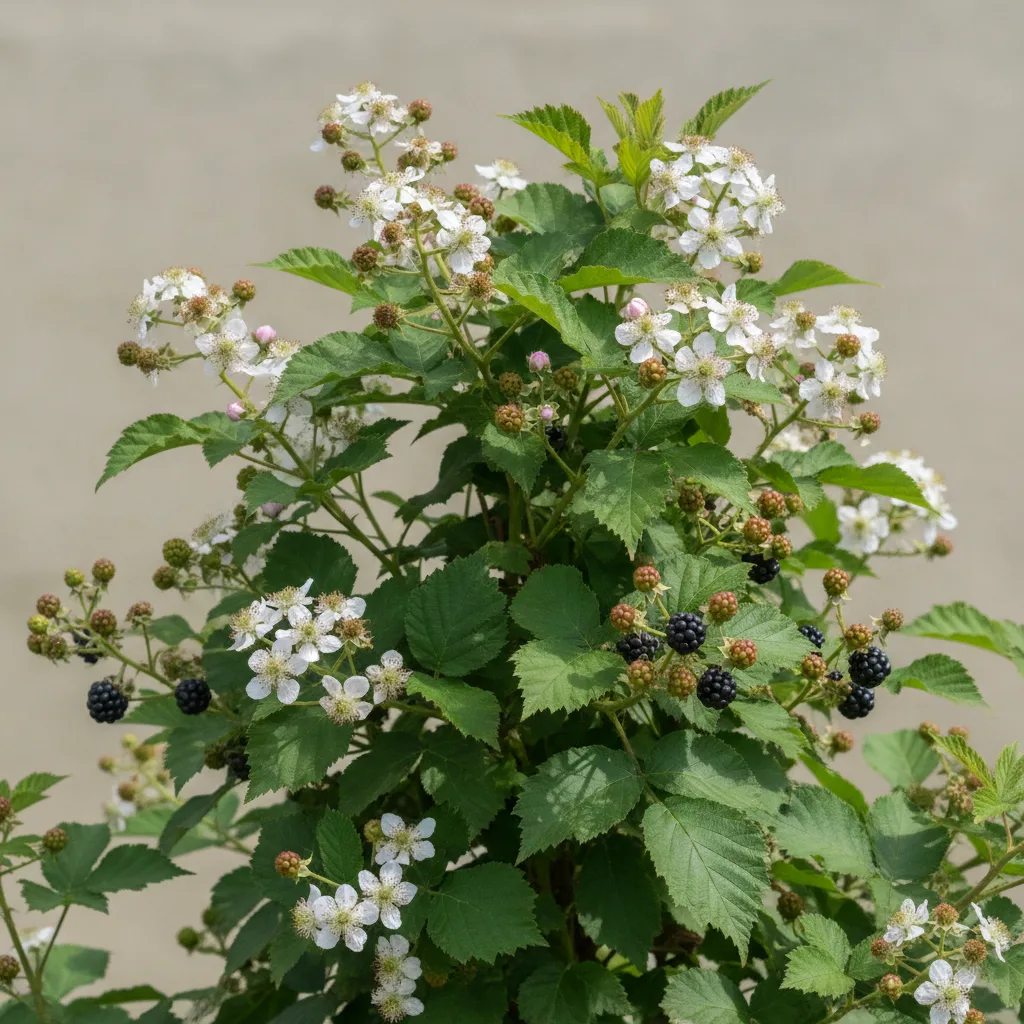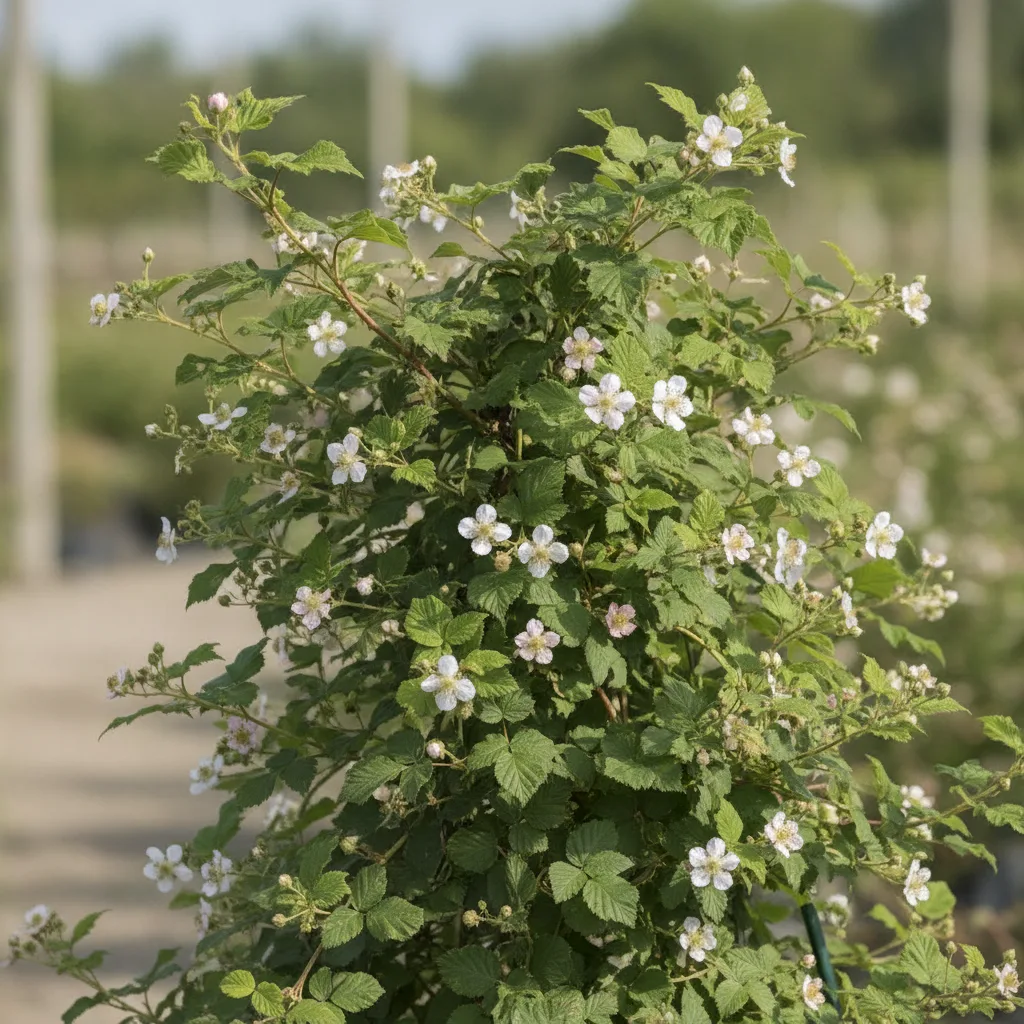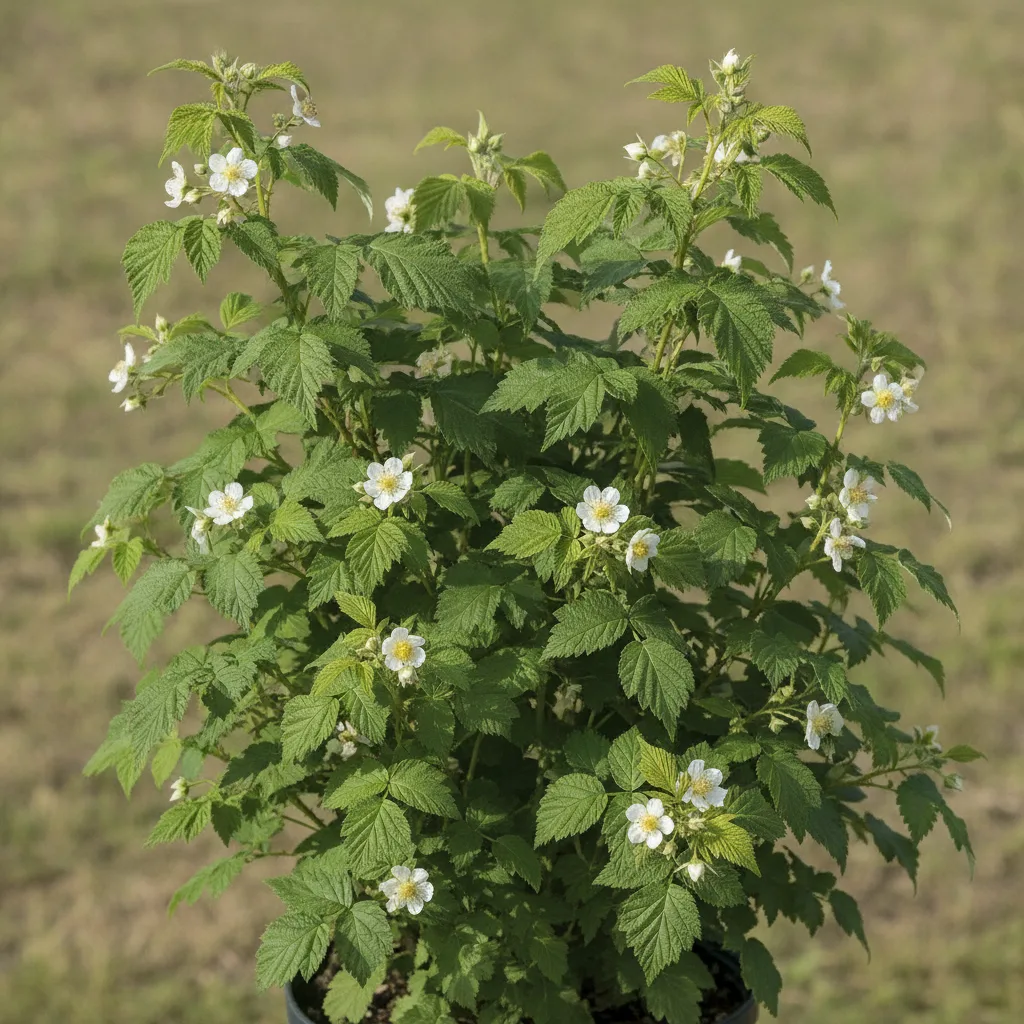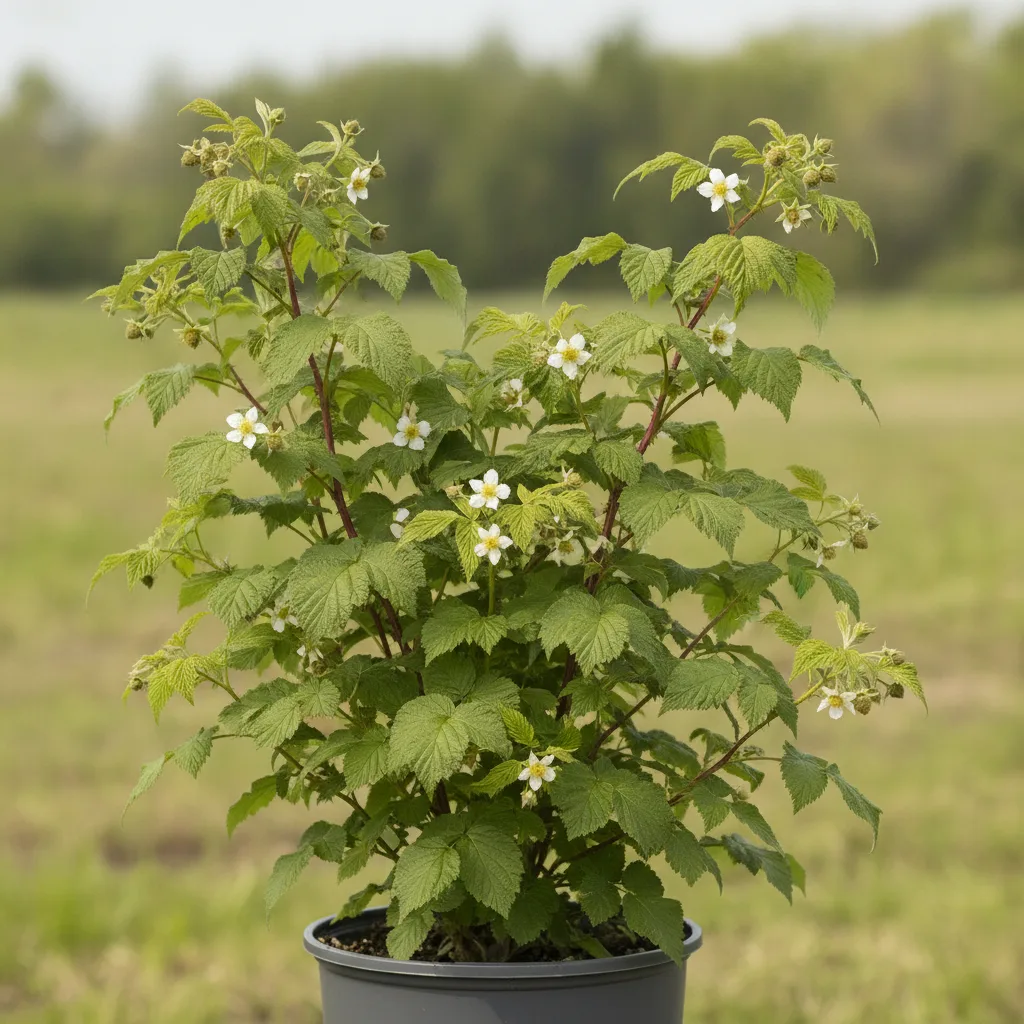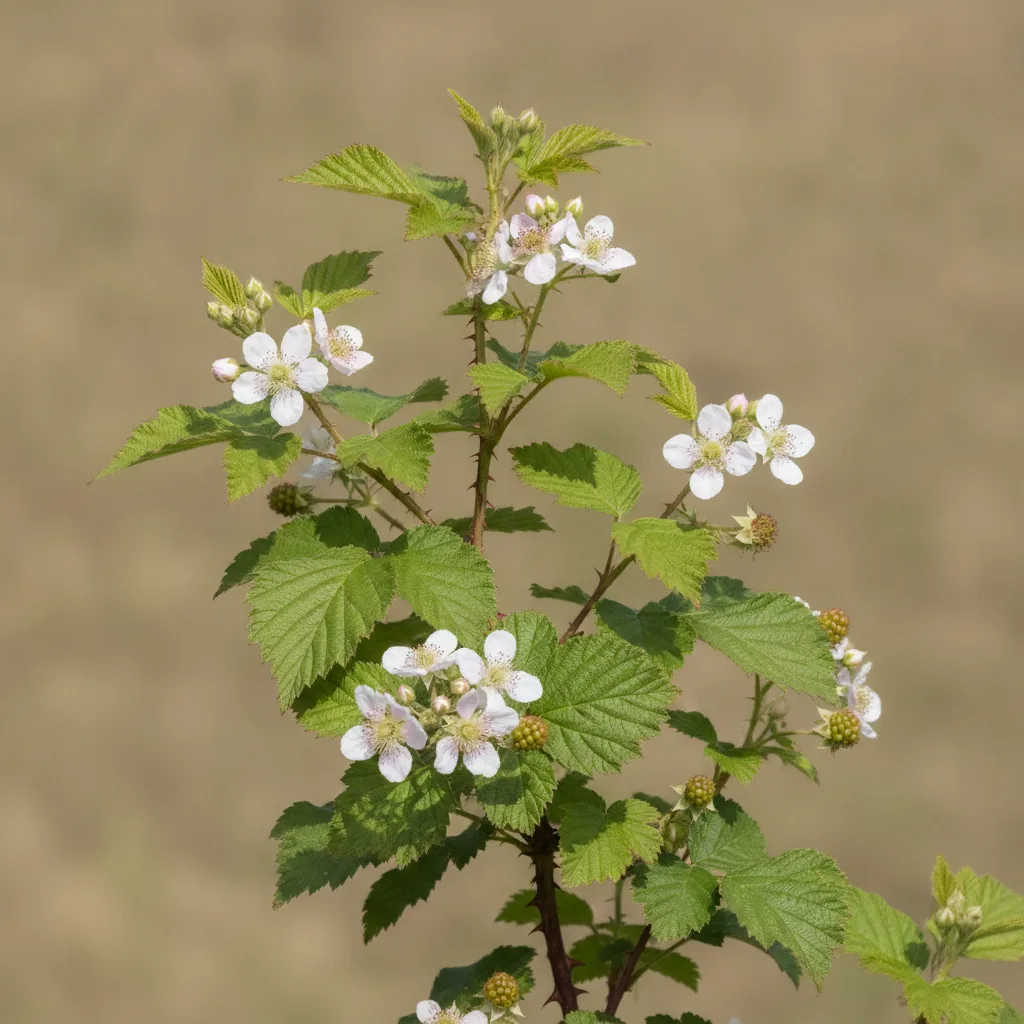
A trailing blackberry-raspberry hybrid with large, soft, dark-maroon berries of rich, tart-sweet flavour, superb for pies and jam. Self-fertile and vigorous, it crops in early summer and is best trained along a wire trellis.
At a glance
- Plant type: Shrub
- Mature size: 2 m H × 2.5 m W
- Aspect: full sun and part shade or morning sun
- Water: regular, moderate watering
- Frost: hardy
- Maintenance: moderate maintenance
- Origin: Exotic
About Boysenberry
Botanically, Rubus 'Boysenberry' is a fast-growing shrub in the Rosaceae family. It reaches around 2 m tall and 2.5 m wide at maturity, with deciduous foliage. White and pink flowers appear in spring.
Where to grow Boysenberry
Boysenberry suits cool-temperate and warm-temperate climates and grows best in full sun and part shade or morning sun. It is frost hardy and shrugs off cold winters.
Soil & planting
Boysenberry does best in free-draining soil. Dig in plenty of compost before planting, water in well, and mulch to keep roots cool.
Watering & feeding
Boysenberry does best with regular, moderate watering. A light spring feed is usually enough to maintain steady growth. During the first growing season, water deeply whenever the upper soil begins to dry, then reduce the frequency as roots establish.
Pruning & care
Prune Boysenberry after flowering to keep it compact and encourage the next flush of blooms. Once established, it is moderate maintenance.
Using Boysenberry in the garden
Boysenberry earns its place for edible harvests and a feature or specimen planting.
Companion planting & design
For easier irrigation and care, group Boysenberry with species that also favour regular, moderate watering and cool-temperate climate. Leave enough room for the mature spread so neighbouring plants are not crowded out.
Buying Boysenberry
Plant Sale lists Boysenberry as potted plants. Catalogue forms are planning guidance until the Plant Sale team confirms live availability.