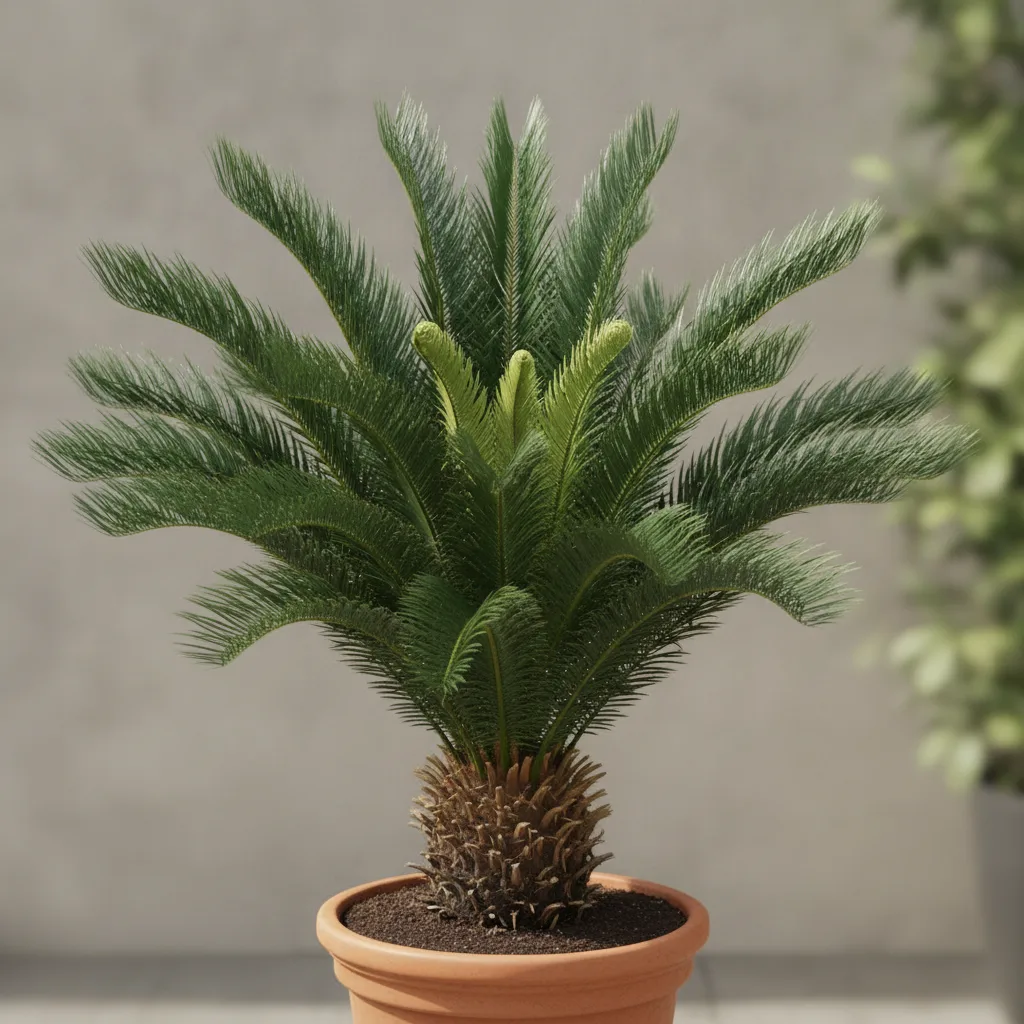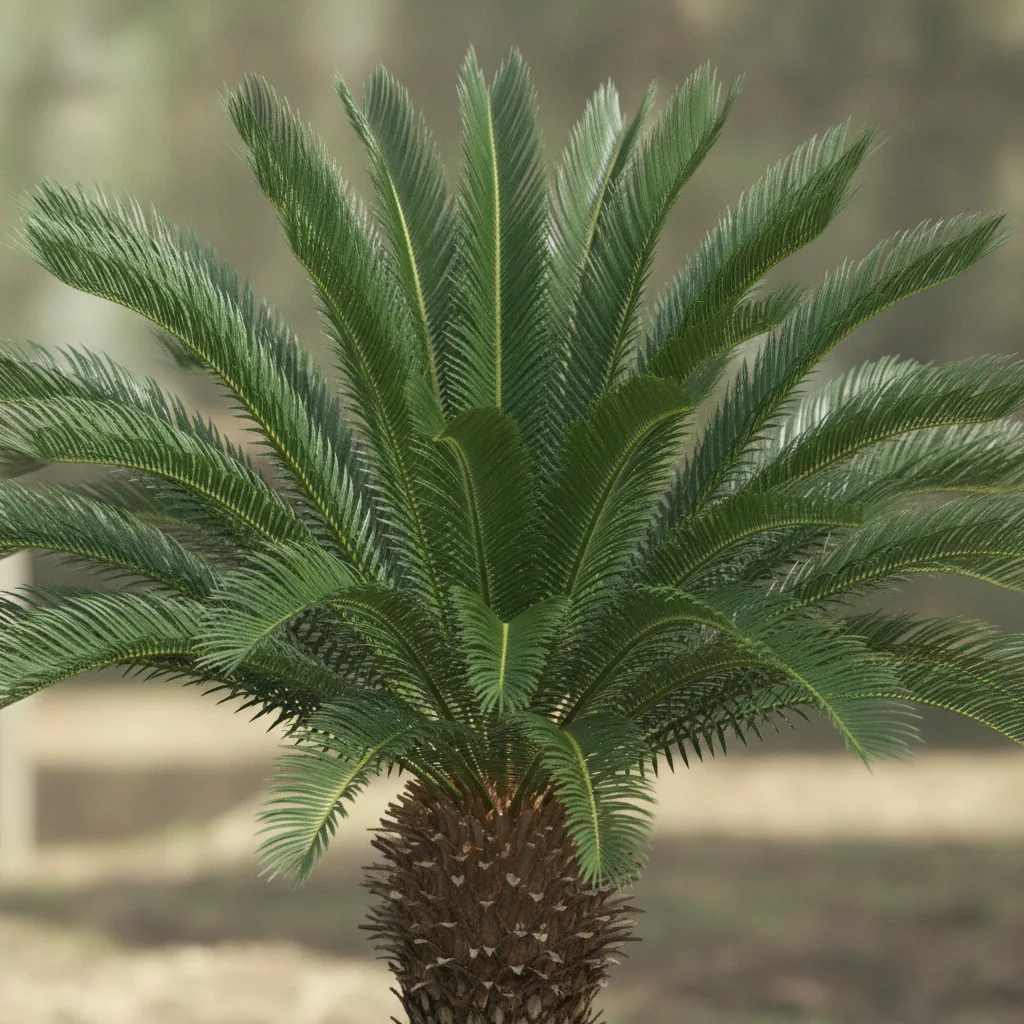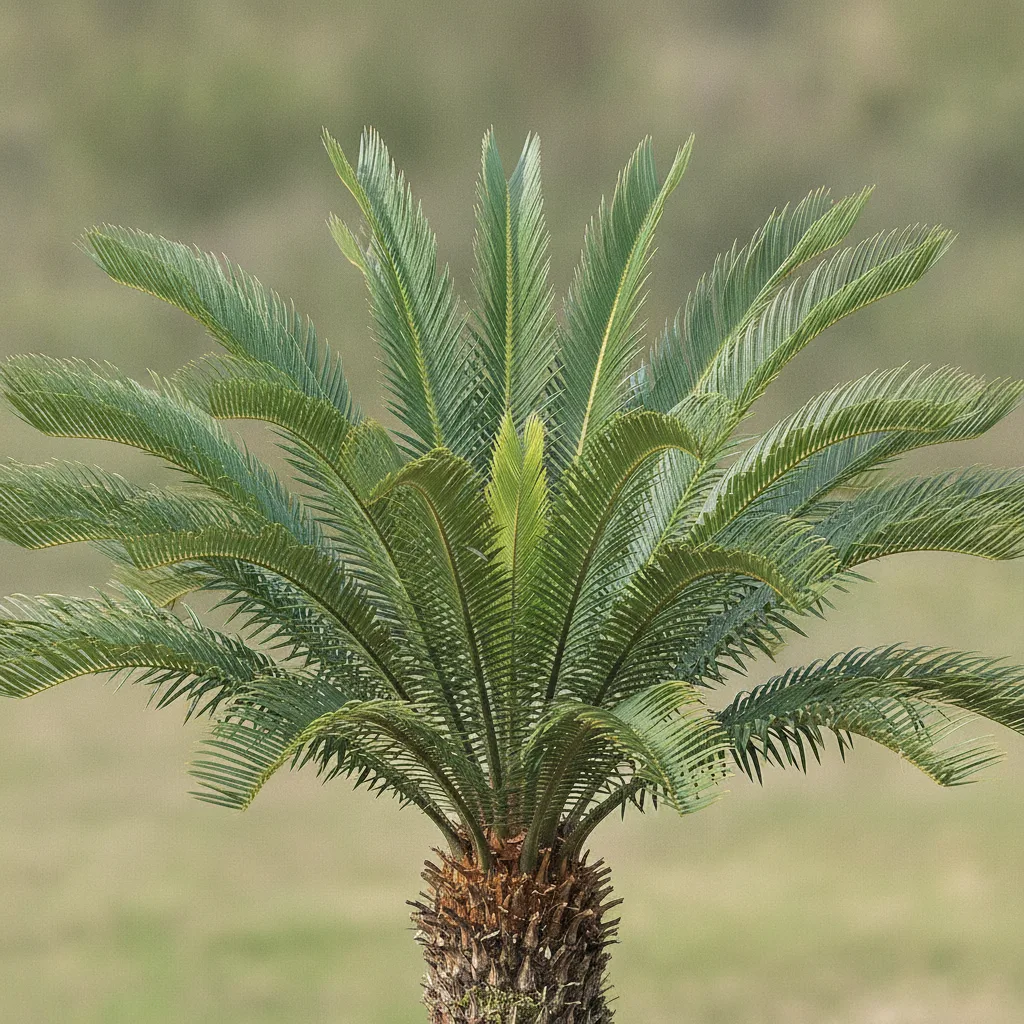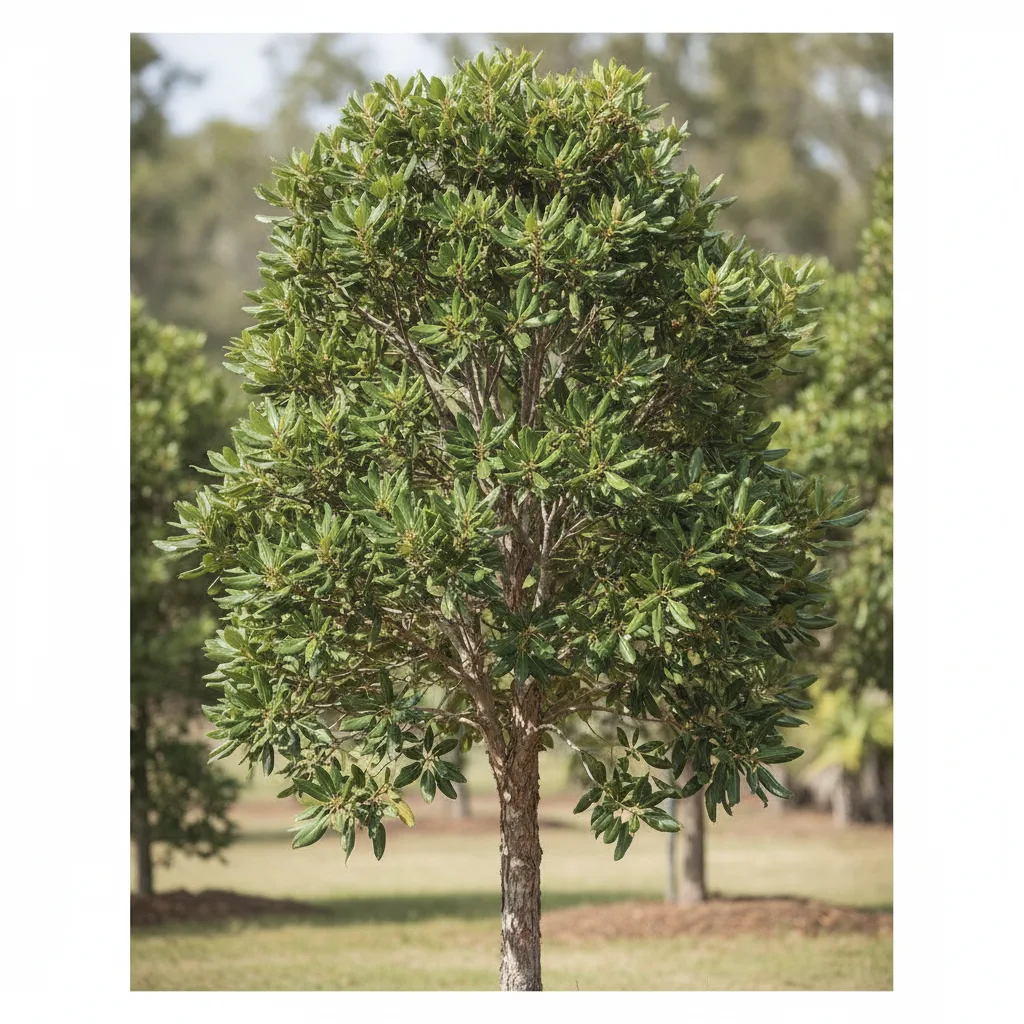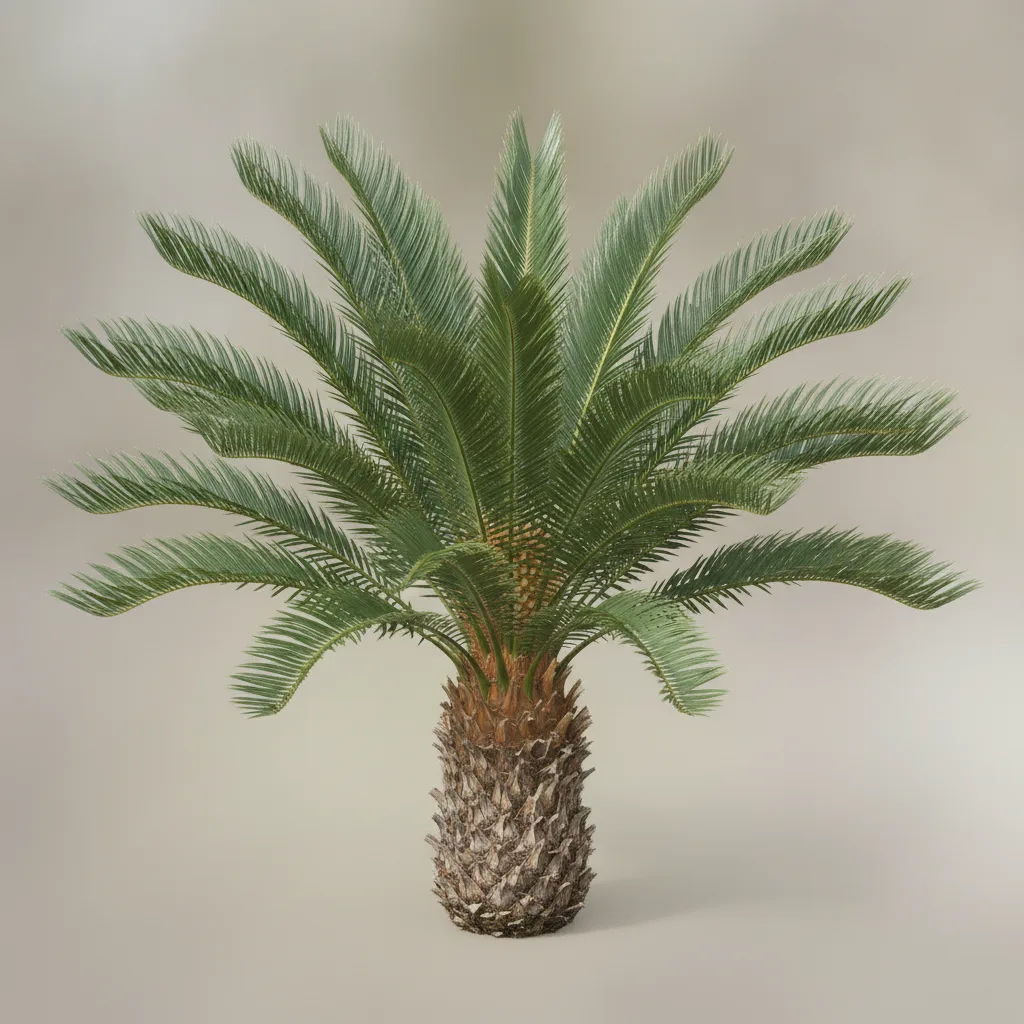
A tall, fast-by-cycad-standards Australian native forming a slender trunk crowned with long, glossy, gracefully arching fronds. A lush rainforest feature for shaded subtropical gardens; seeds toxic to pets.
At a glance
- Plant type: Palm or cycad
- Mature size: 4 m H × 3 m W
- Aspect: part shade or morning sun and shade and low-light positions
- Water: regular, moderate watering
- Frost: tender
- Maintenance: low maintenance
- Origin: Australian native
About Pineapple Zamia
Botanically, Lepidozamia peroffskyana is a slow-growing palm or cycad in the Zamiaceae family, native to Australia. It reaches around 4 m tall and 3 m wide at maturity, with evergreen foliage.
Where to grow Pineapple Zamia
Pineapple Zamia suits subtropical and warm-temperate climates and grows best in part shade or morning sun and shade and low-light positions. It is frost tender, so protect it from hard frosts or grow it in a sheltered spot or pot. It also is a sought-after collector's plant.
Soil & planting
Pineapple Zamia does best in free-draining soil. Dig in plenty of compost before planting, water in well, and mulch to keep roots cool.
Watering & feeding
Pineapple Zamia does best with regular, moderate watering. As an Australian native, feed it only with a low-phosphorus native fertiliser. For the first year, favour occasional deep watering over frequent shallow drinks so roots move into the surrounding soil.
Pruning & care
Tip-prune Pineapple Zamia in spring to maintain a dense, shapely habit. Overall it is low maintenance.
Using Pineapple Zamia in the garden
Pineapple Zamia earns its place for a feature or specimen planting and a shade tree.
Companion planting & design
Combine Pineapple Zamia with plants that share its preference for regular, moderate watering and subtropical climate. Use an odd-numbered group where space allows, or repeat it at intervals through a longer bed. It combines naturally with other Australian natives in a habitat or water-wise garden.
Good to know
Note that it is toxic to cats and dogs, so site it away from pets that chew.
Buying Pineapple Zamia
Plant Sale lists Pineapple Zamia as potted plants and advanced specimens. Current stock is confirmed with your quote; ask about your preferred size before planning a purchase.