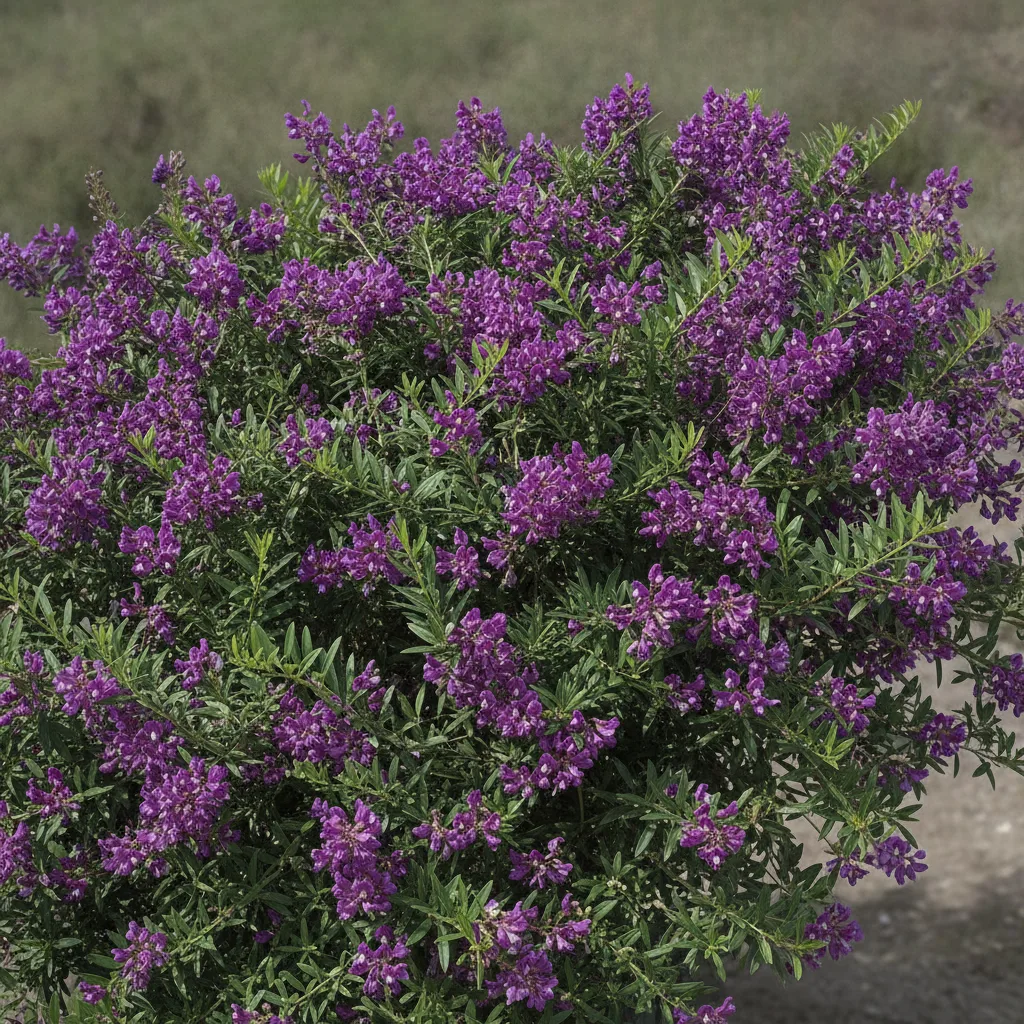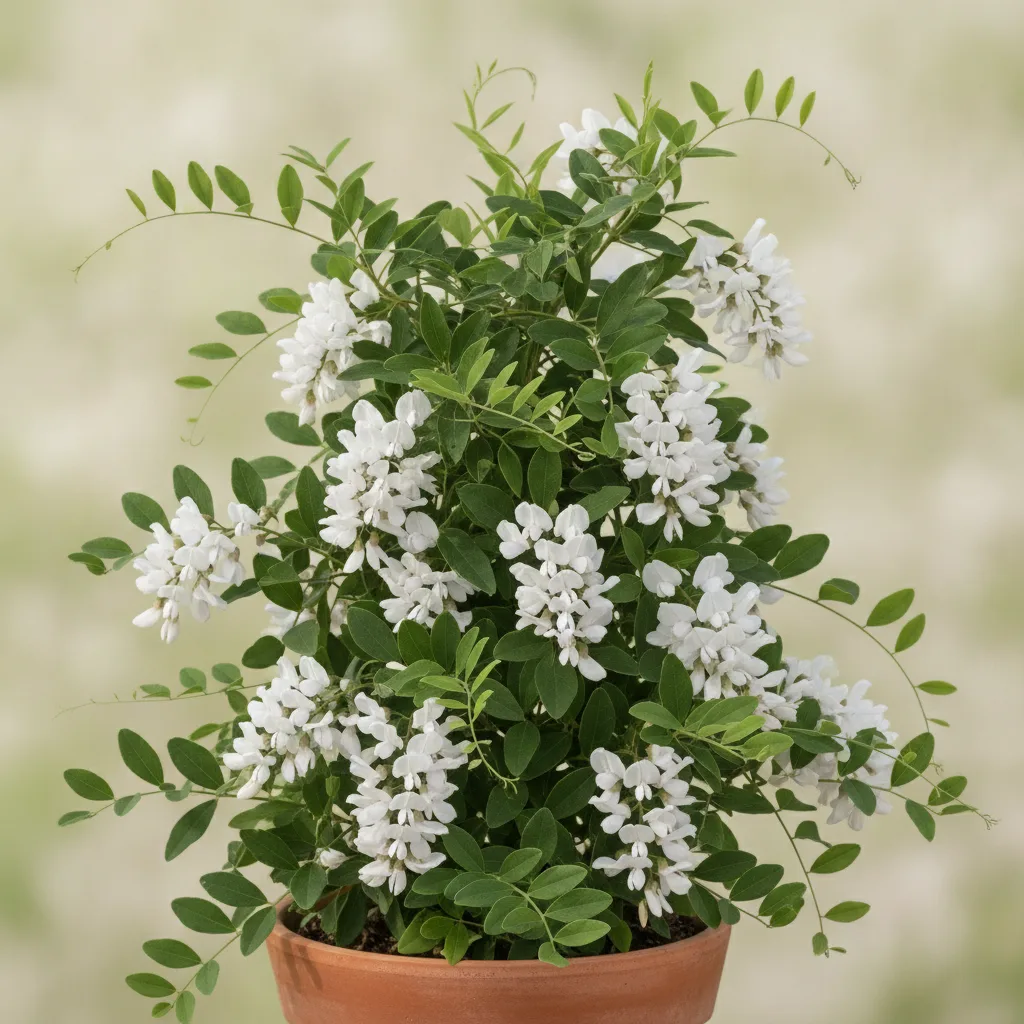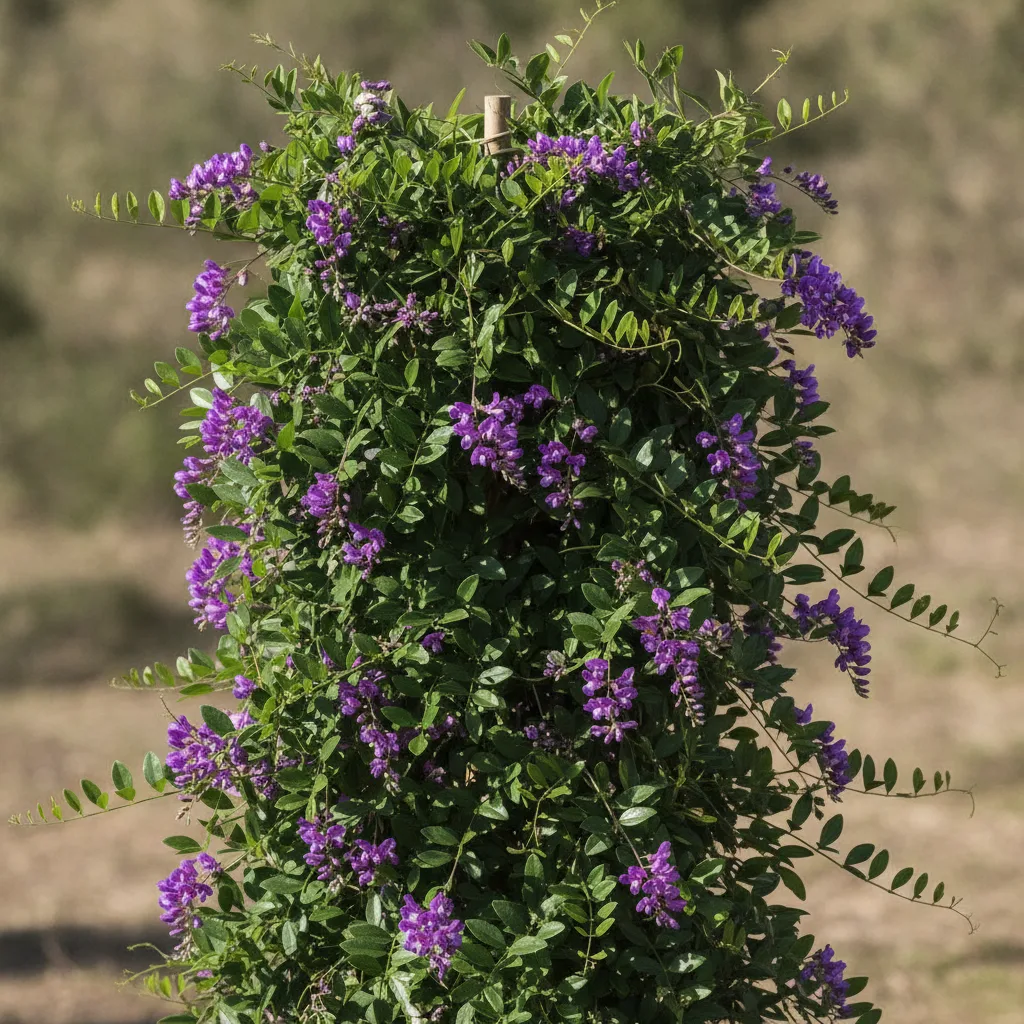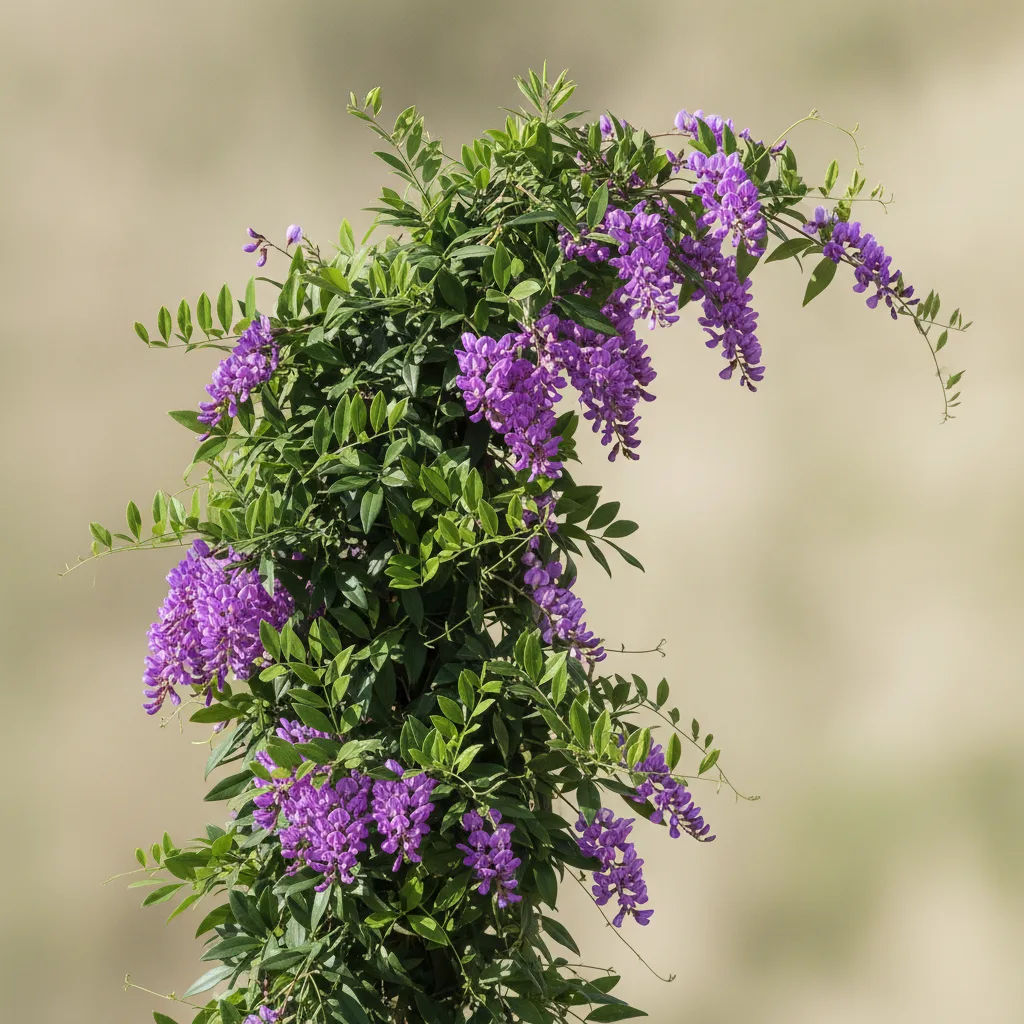
A vigorous evergreen climber that smothers fences and trellises in cascades of purple pea flowers through late winter — one of the first natives to announce spring.
At a glance
- Plant type: Climber
- Mature size: 2 m tall
- Aspect: full sun and part shade or morning sun
- Water: happy on low water
- Frost: hardy
- Maintenance: low maintenance
- Origin: Australian native
About Native Sarsaparilla
Botanically, Hardenbergia violacea is a fast-growing climber in the Fabaceae family, native to New South Wales, Victoria, Queensland, South Australia and Tasmania. It reaches around 2 m tall at maturity, with evergreen foliage. Purple flowers appear in winter and spring.
Where to grow Native Sarsaparilla
Native Sarsaparilla suits warm-temperate, cool-temperate and Mediterranean climates and grows best in full sun and part shade or morning sun. It is frost hardy and shrugs off cold winters. It also tolerates salt-laden coastal winds.
Soil & planting
Most soils suit Native Sarsaparilla provided drainage is reasonable. Dig in plenty of compost before planting, water in well, and mulch to keep roots cool.
Watering & feeding
Native Sarsaparilla performs well with relatively little water once established. As an Australian native, feed it only with a low-phosphorus native fertiliser. New plantings need closer moisture checks in hot or windy weather, with watering tapered once strong new growth appears.
Pruning & care
Prune Native Sarsaparilla after flowering to keep it compact and encourage the next flush of blooms. Once established, it is low maintenance.
Using Native Sarsaparilla in the garden
Native Sarsaparilla earns its place for a feature or specimen planting, pots and courtyard containers and holding soil on banks and slopes. It is equally at home in the ground or a large pot on a balcony or courtyard.
Companion planting & design
For easier irrigation and care, group Native Sarsaparilla with species that also favour low water use and warm-temperate climate. Leave enough room for the mature spread so neighbouring plants are not crowded out. It combines naturally with other Australian natives in a habitat or water-wise garden.