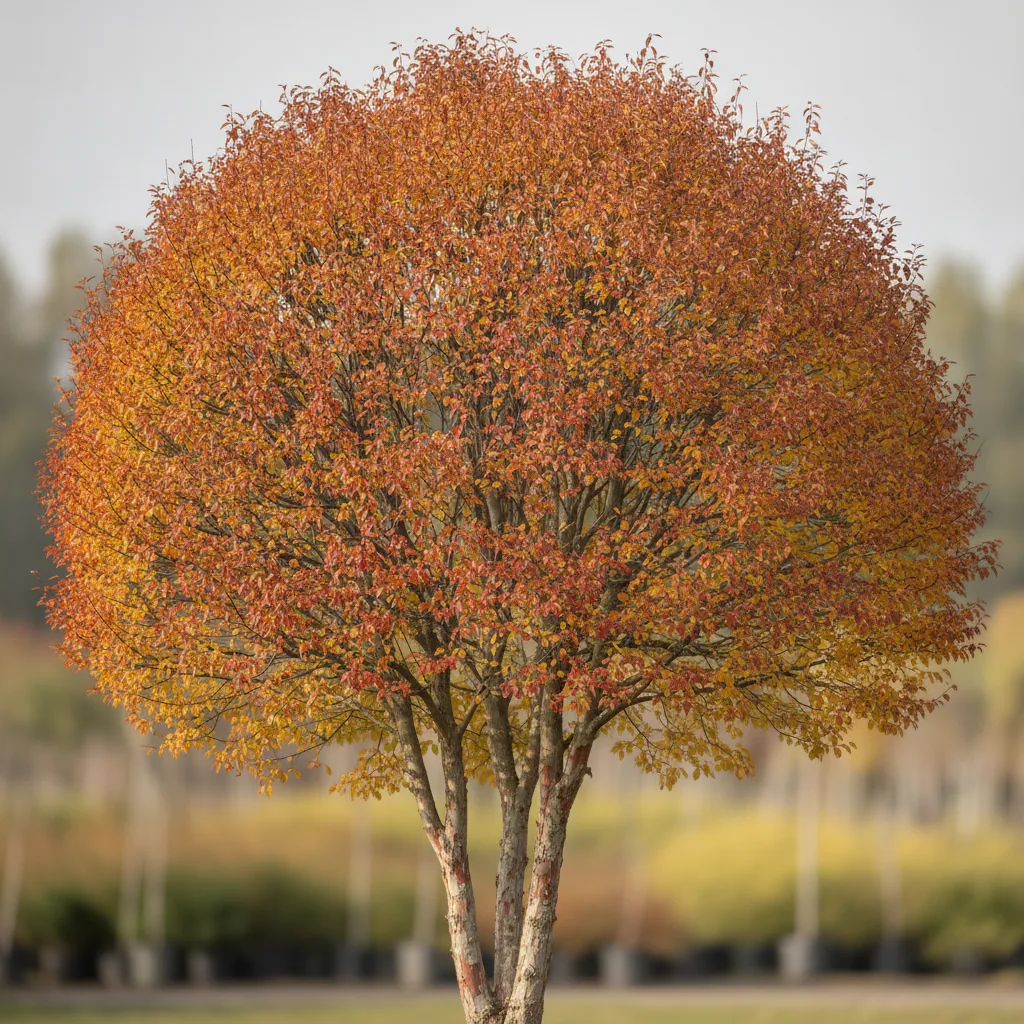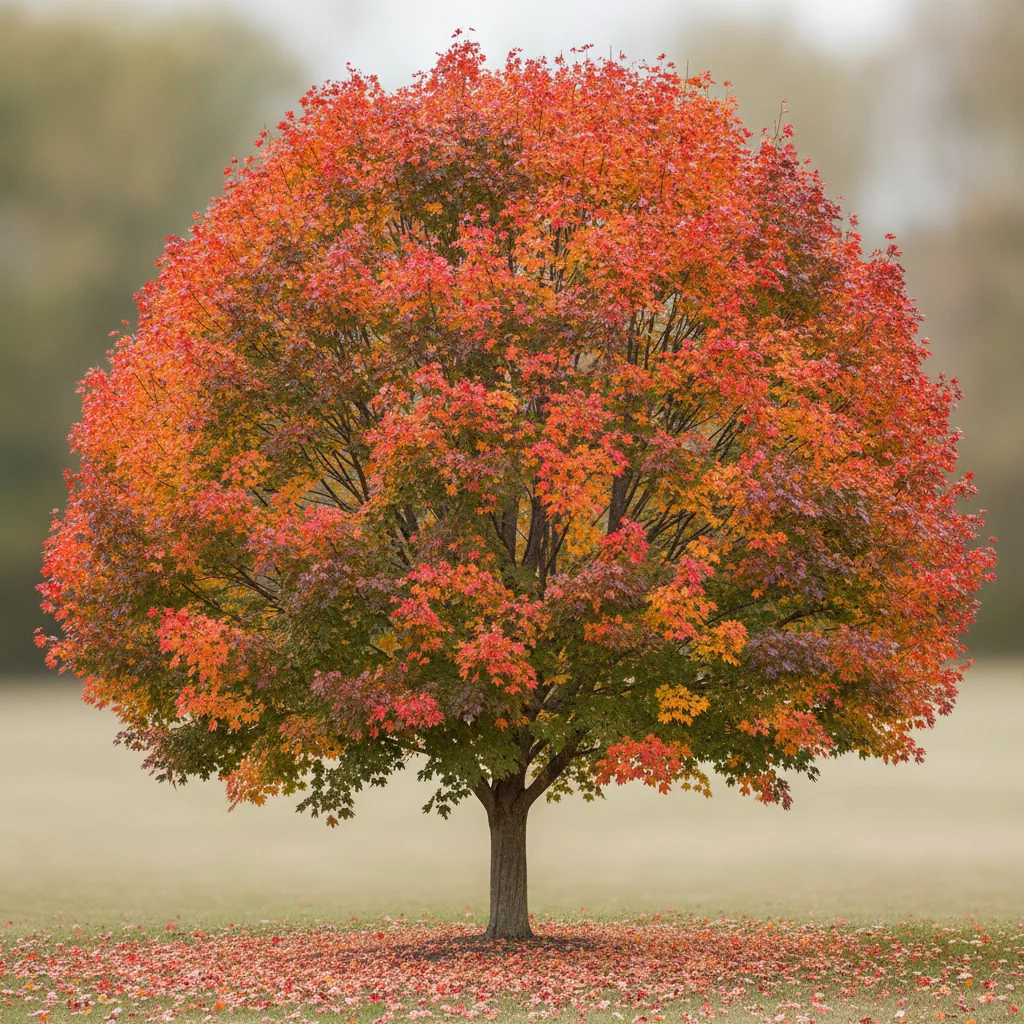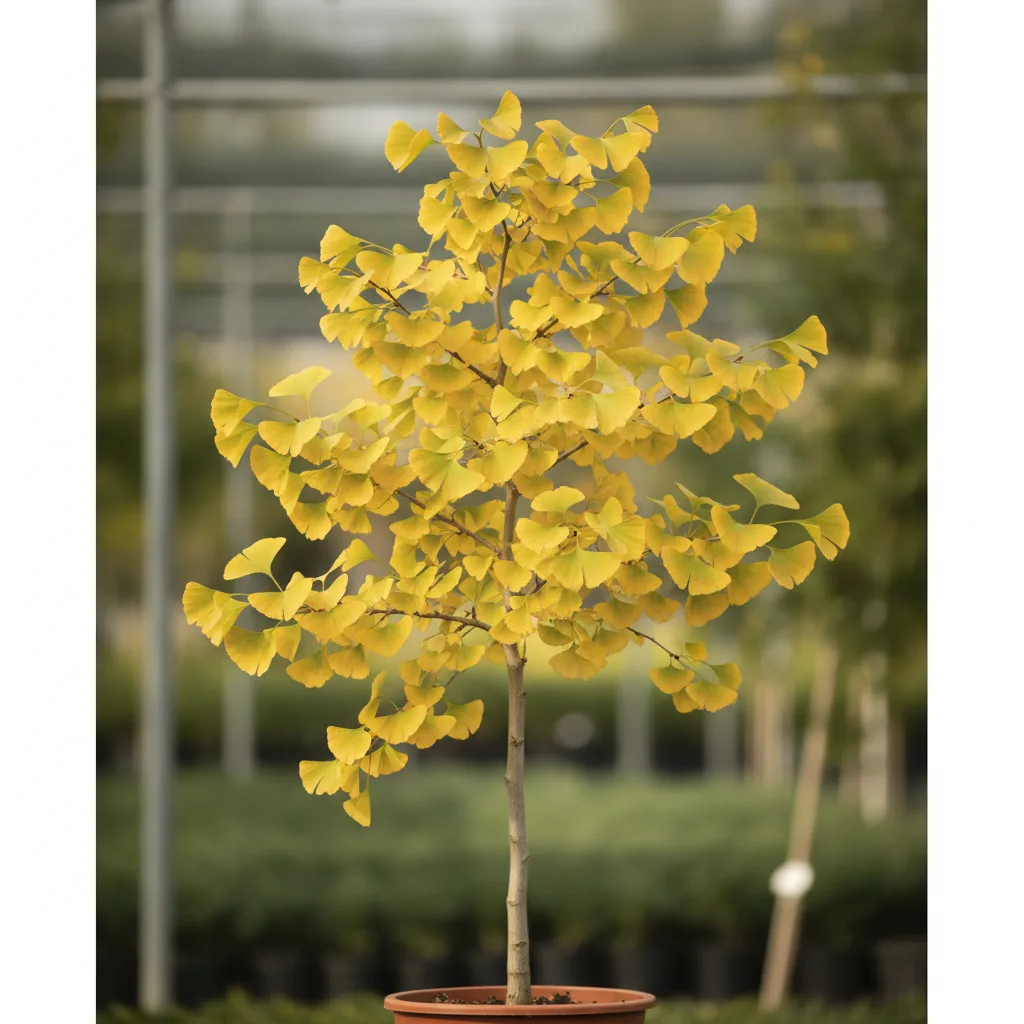
An ancient, virtually pest-free deciduous conifer relative with distinctive fan-shaped leaves that turn pure butter-yellow in autumn. Long-lived, tough and pollution-tolerant.
At a glance
- Plant type: Tree
- Mature size: 20 m H × 8 m W
- Aspect: full sun
- Water: happy on low water
- Frost: hardy
- Maintenance: low maintenance
- Origin: Exotic
About Ginkgo
Botanically, Ginkgo biloba is a slow-growing tree in the Ginkgoaceae family. It reaches around 20 m tall and 8 m wide at maturity, with deciduous, rich in autumn colour and golden foliage.
Where to grow Ginkgo
Ginkgo suits cool-temperate and warm-temperate climates and grows best in full sun. It is frost hardy and shrugs off cold winters.
Soil & planting
Ginkgo does best in loamy, sandy and free-draining soil. Dig in plenty of compost before planting, water in well, and mulch to keep roots cool.
Watering & feeding
Ginkgo performs well with relatively little water once established. A light spring feed is usually enough to maintain steady growth. Check moisture below the mulch during establishment and water thoroughly when needed rather than following a rigid schedule.
Pruning & care
Tip-prune Ginkgo in spring to maintain a dense, shapely habit. Once established, it is low maintenance.
Using Ginkgo in the garden
Ginkgo earns its place for a shade tree, a feature or specimen planting and bonsai culture.
Companion planting & design
For easier irrigation and care, group Ginkgo with species that also favour low water use and cool-temperate climate. Leave enough room for the mature spread so neighbouring plants are not crowded out.
Good to know
It is regarded as non-toxic and pet-safe. It is thornless and easy to handle. It is a low-allergen choice for sensitive gardens.
Buying Ginkgo
Plant Sale lists Ginkgo as potted plants and advanced specimens. Catalogue forms are planning guidance until the Plant Sale team confirms live availability.