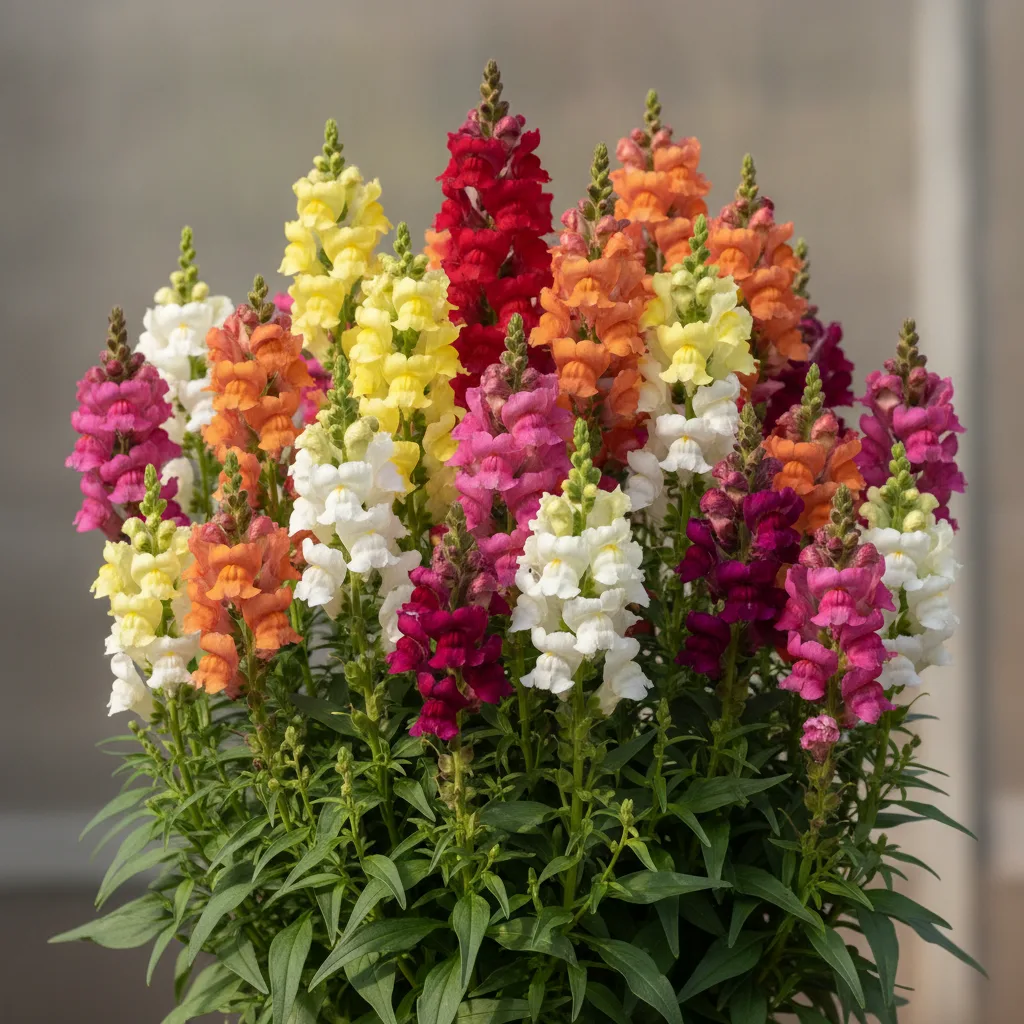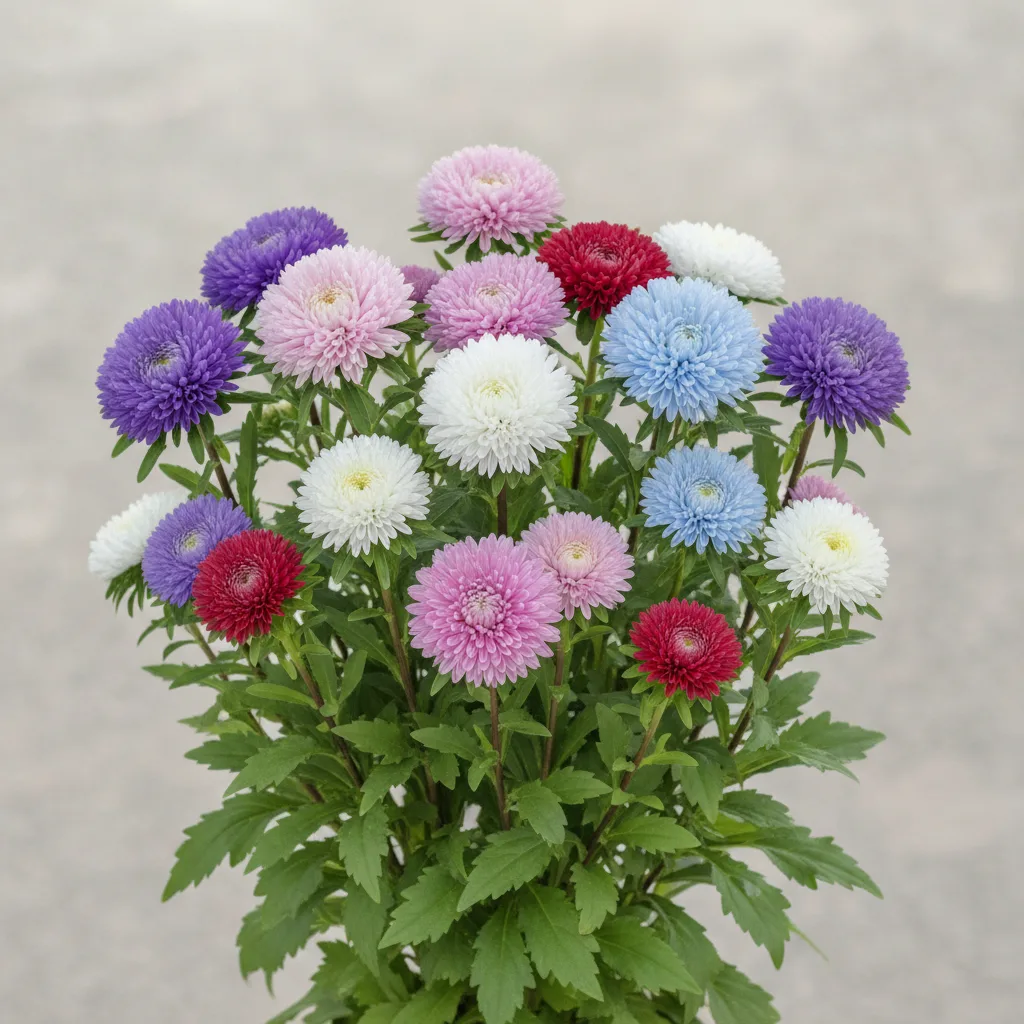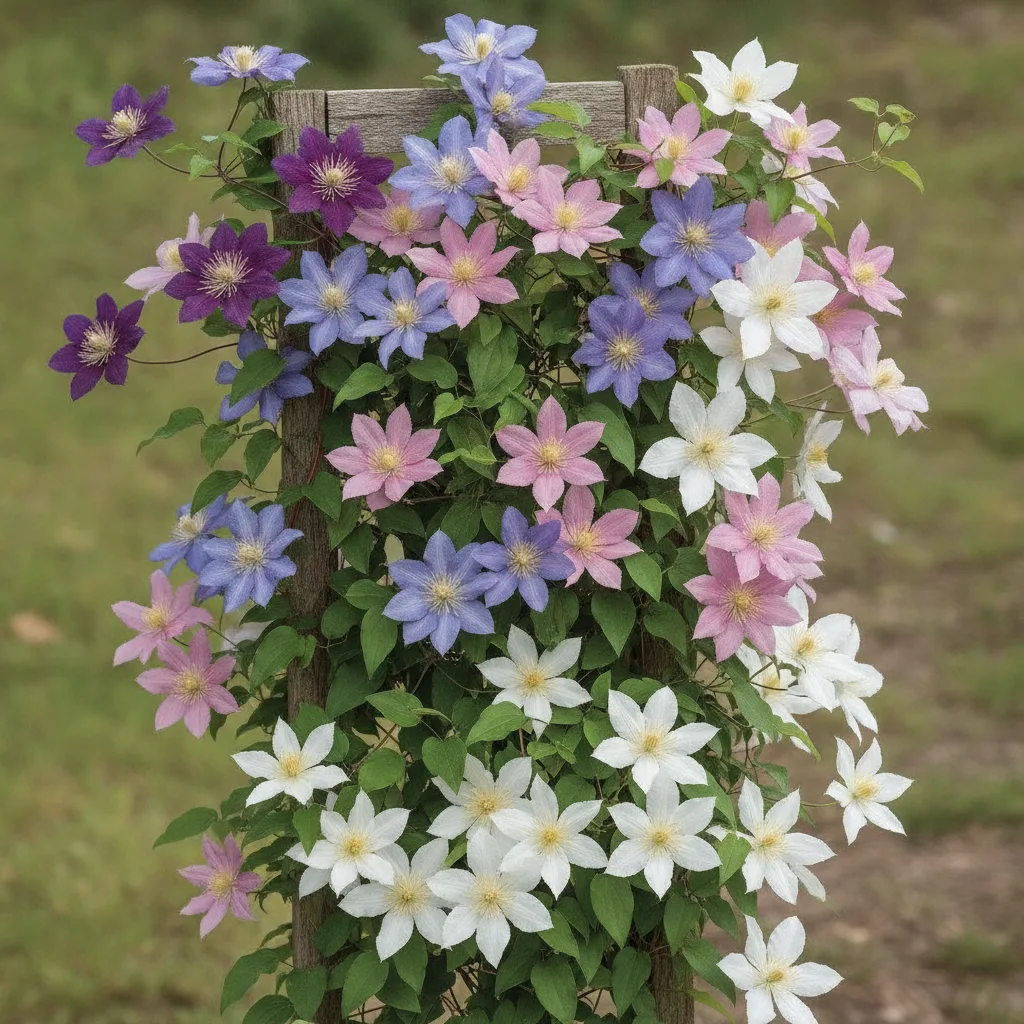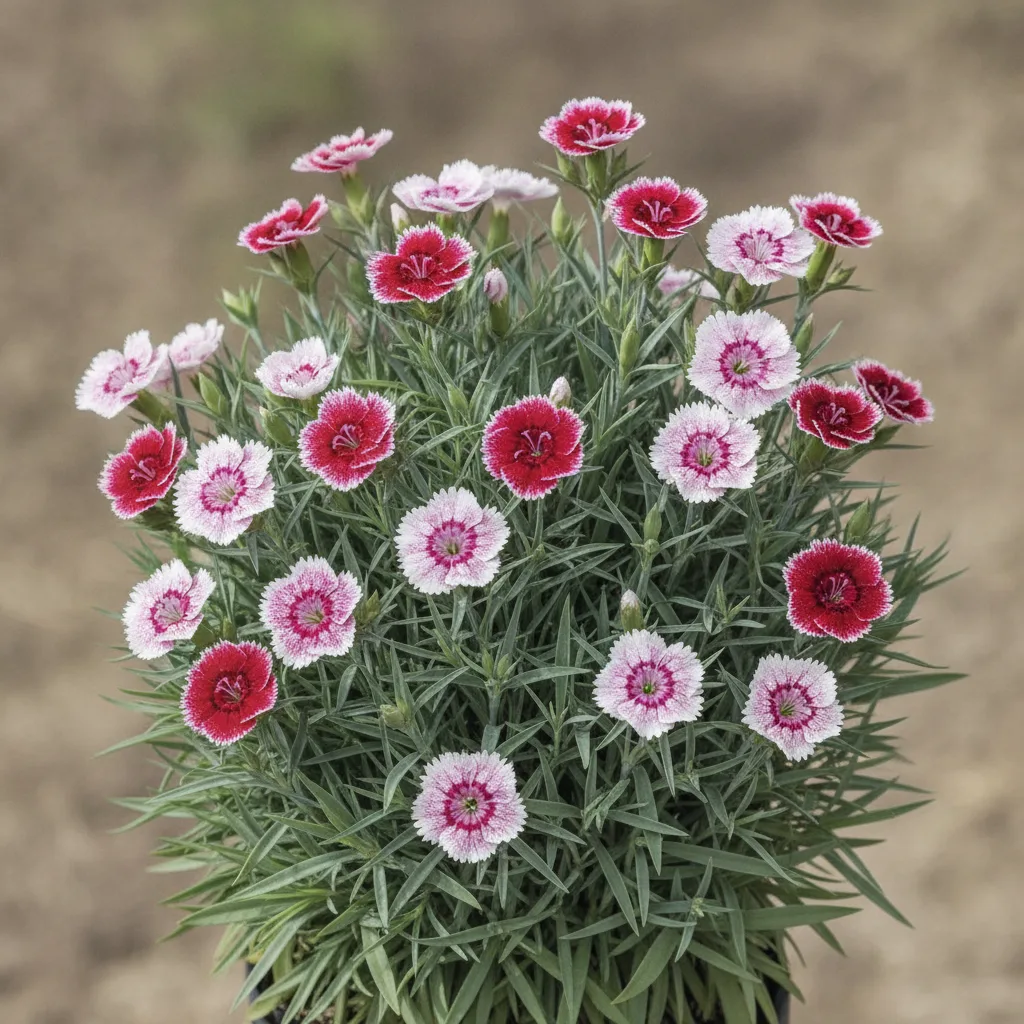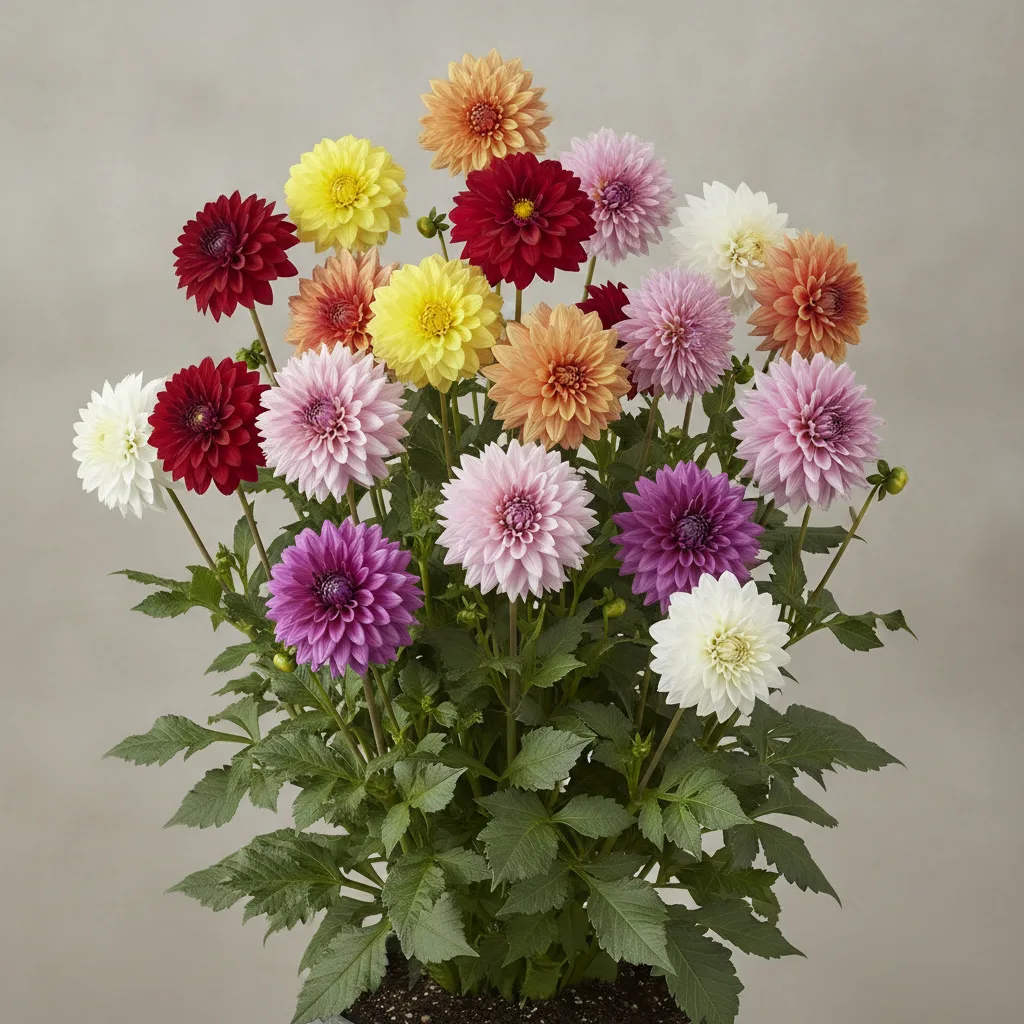
Tuberous summer stars in an astonishing range of forms and colours, from pompons to dinner-plate blooms. Lift or mulch the tubers in cold districts; deadhead for months of cut flowers.
At a glance
- Plant type: Bulb
- Mature size: 1.2 m H × 60 cm W
- Aspect: full sun
- Water: regular, moderate watering
- Frost: tender
- Maintenance: moderate maintenance
- Origin: Exotic
About Dahlia
Dahlia hybrid is a fast-growing bulb in the Asteraceae family. It reaches around 1.2 m tall and 60 cm wide at maturity, with deciduous foliage. Red, pink, yellow, orange, purple and white flowers appear for much of the year.
Where to grow Dahlia
Dahlia suits cool-temperate, warm-temperate and subtropical climates and grows best in full sun. It is frost tender, so protect it from hard frosts or grow it in a sheltered spot or pot.
Soil & planting
Most soils suit Dahlia provided drainage is reasonable. Plant into well-prepared ground, firm the soil around the roots and water deeply to settle it in.
Watering & feeding
Dahlia does best with regular, moderate watering. Feed as new growth begins, following the rate on a balanced garden fertiliser. For the first year, favour occasional deep watering over frequent shallow drinks so roots move into the surrounding soil.
Pruning & care
Prune Dahlia after flowering to keep it compact and encourage the next flush of blooms. For most gardens, it is moderate maintenance.
Using Dahlia in the garden
Dahlia earns its place for cut flowers for the vase, a feature or specimen planting, feeding bees and pollinators and pots and courtyard containers. It is equally at home in the ground or a large pot on a balcony or courtyard.
Companion planting & design
Dahlia sits most comfortably beside plants adapted to regular, moderate watering and cool-temperate climate. A small cluster gives stronger visual impact than isolated plants scattered through the garden.
Buying Dahlia
Plant Sale lists Dahlia as bulbs. Use the quote builder above to ask about current stock, sizes and pricing.