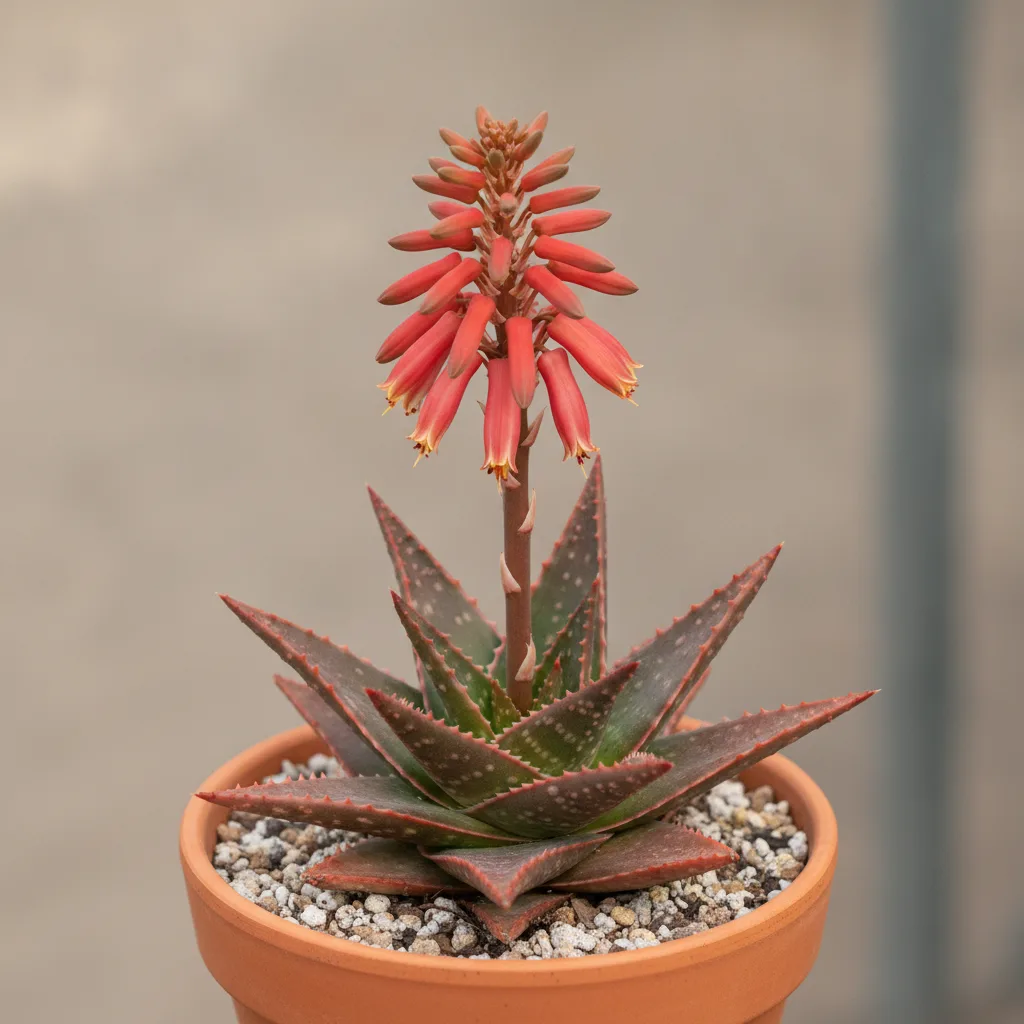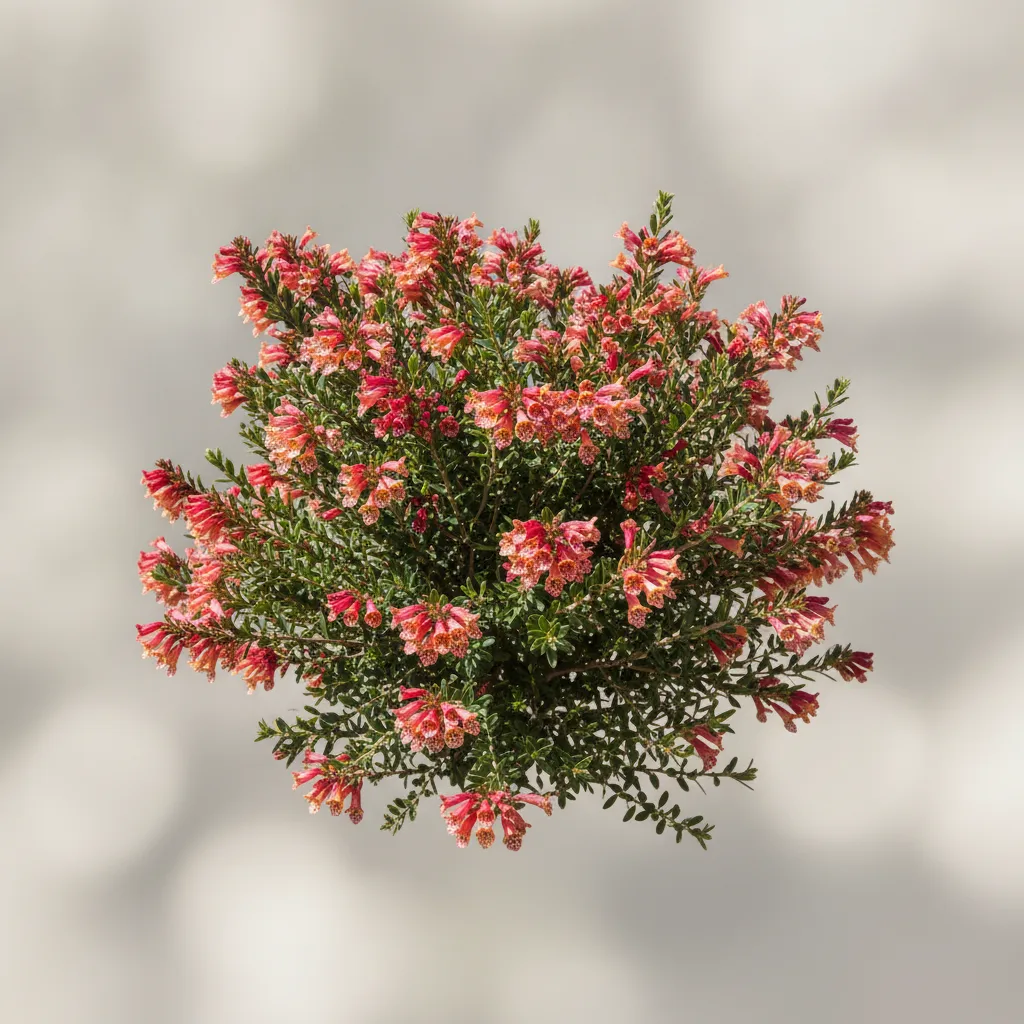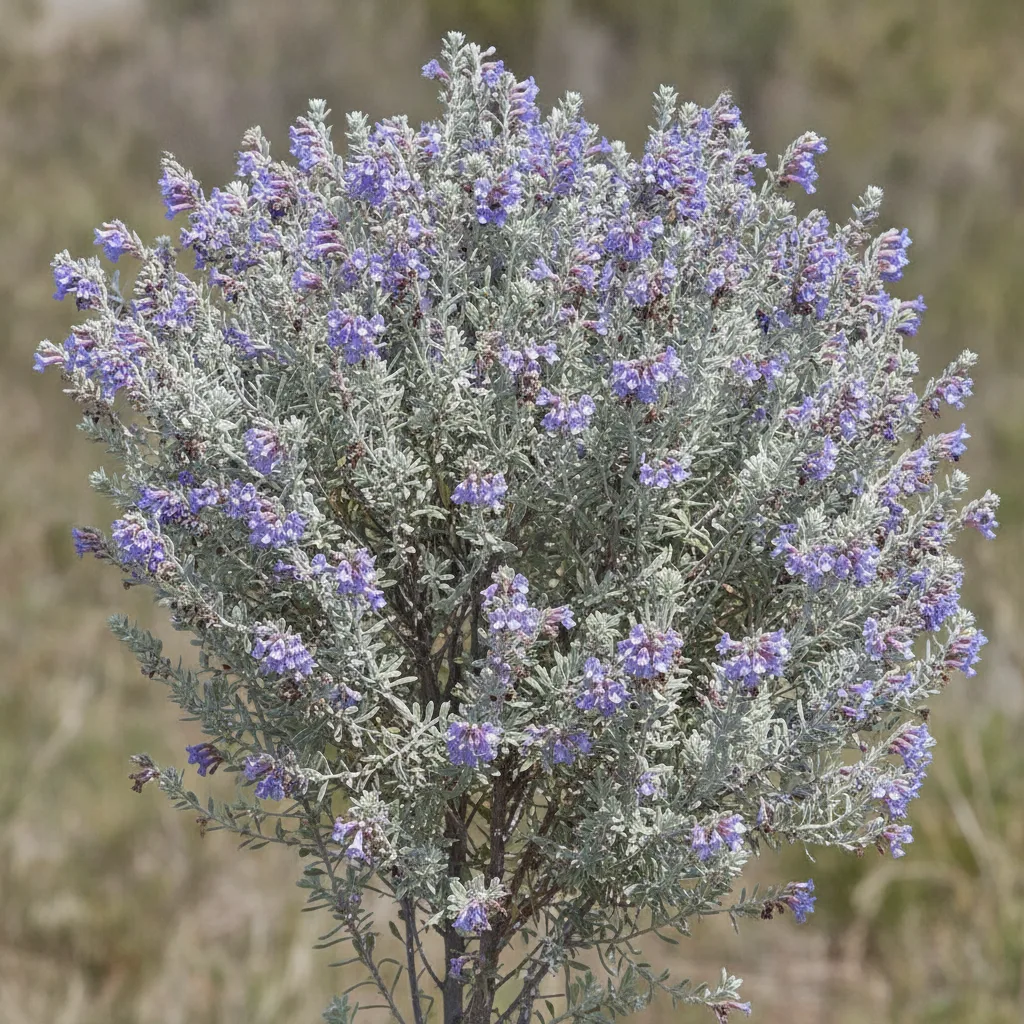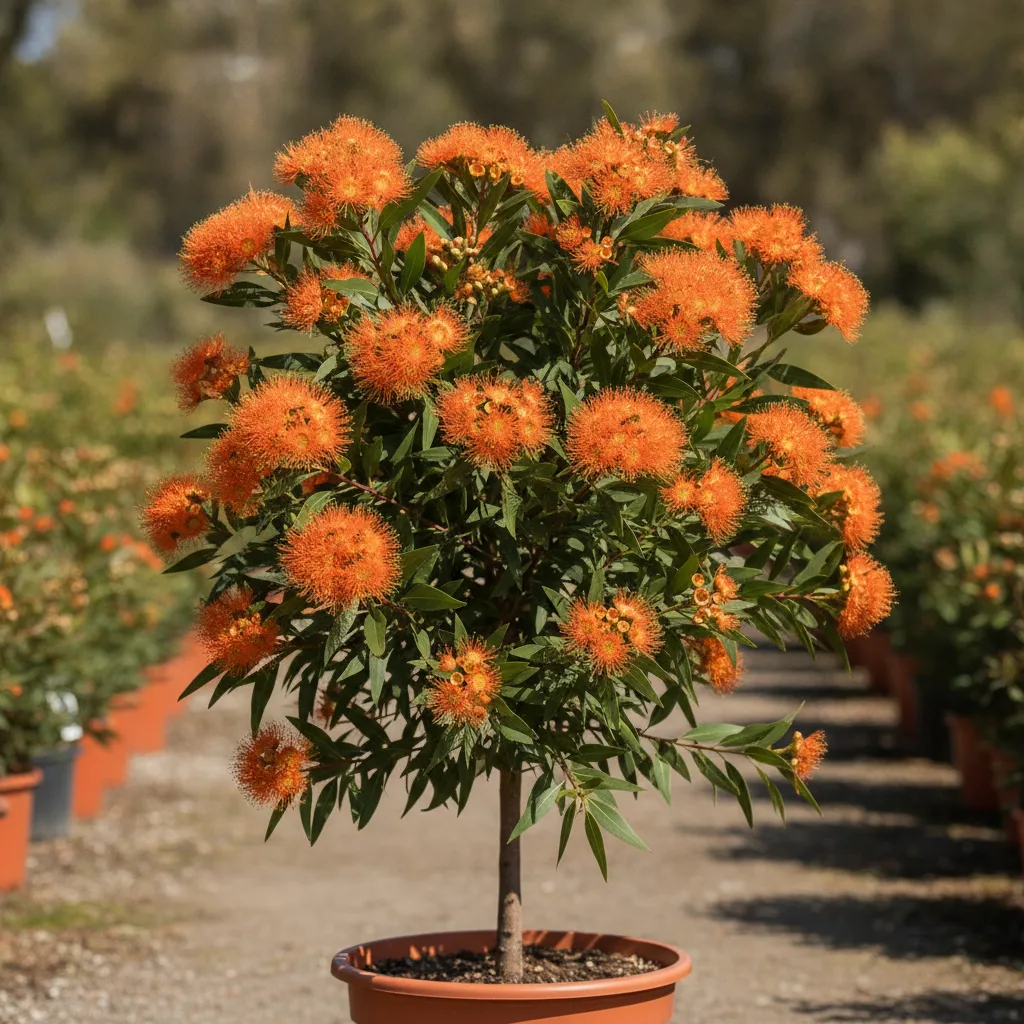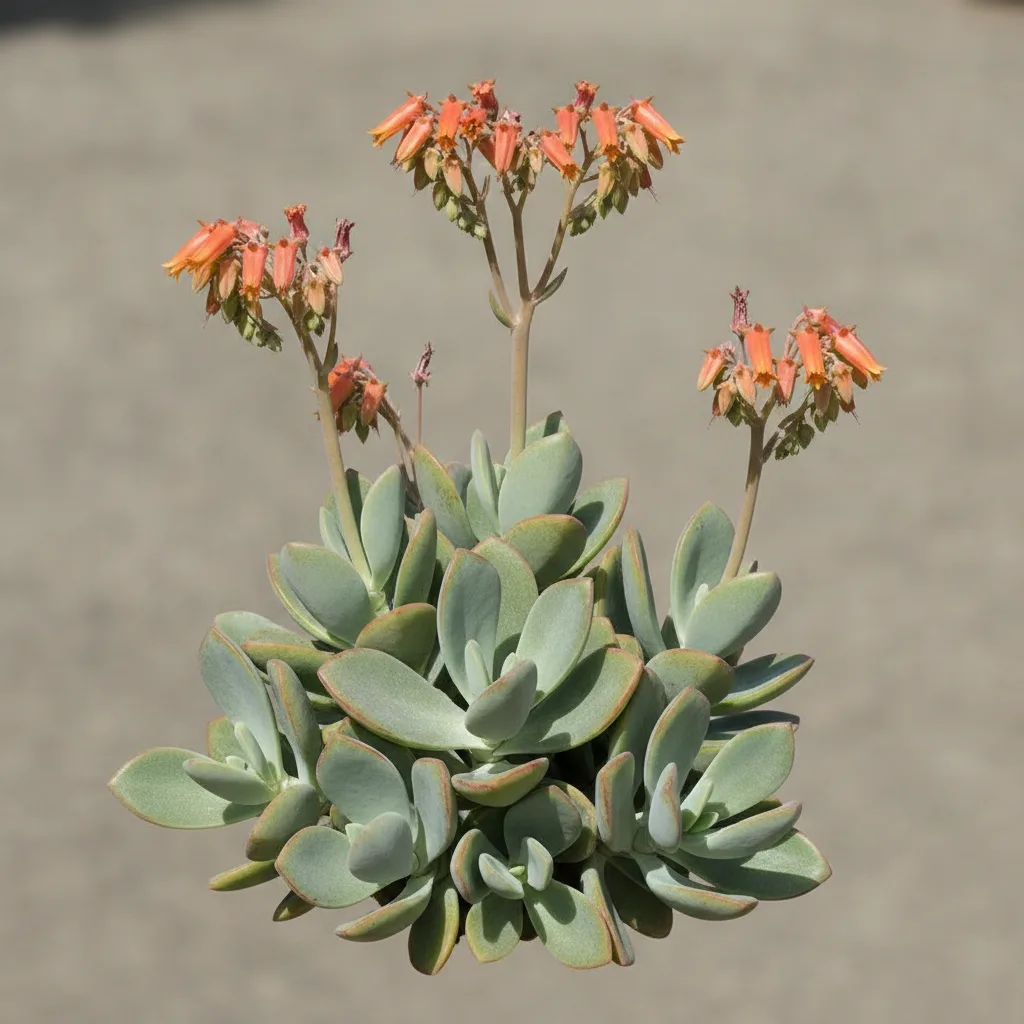
A robust shrubby succulent with broad rounded grey-white leaves rimmed in red, bearing tall stems of nodding orange bell flowers loved by sunbirds. A tough, sculptural water-wise feature.
At a glance
- Plant type: Succulent
- Mature size: 1 m H × 80 cm W
- Aspect: full sun
- Water: very drought tolerant once established
- Frost: tender
- Maintenance: low maintenance
- Origin: Exotic
About Pig's Ear
Botanically, Cotyledon orbiculata is a moderate-growing succulent in the Crassulaceae family. It reaches around 1 m tall and 80 cm wide at maturity, with evergreen and silver-grey foliage. Orange flowers appear in summer.
Where to grow Pig's Ear
Pig's Ear suits arid and semi-arid, Mediterranean and warm-temperate climates and grows best in full sun. It is frost tender, so protect it from hard frosts or grow it in a sheltered spot or pot. It also is a genuinely water-wise choice and tolerates salt-laden coastal winds.
Soil & planting
Pig's Ear does best in sandy and free-draining soil. Dig in plenty of compost before planting, water in well, and mulch to keep roots cool.
Watering & feeding
Pig's Ear handles dry conditions well once established. A light spring feed is usually enough to maintain steady growth. New plantings need closer moisture checks in hot or windy weather, with watering tapered once strong new growth appears.
Pruning & care
Prune Pig's Ear after flowering to keep it compact and encourage the next flush of blooms. Once established, it is low maintenance.
Using Pig's Ear in the garden
Pig's Ear earns its place for pots and courtyard containers, a feature or specimen planting and drawing nectar-feeding birds into the garden. It is equally at home in the ground or a large pot on a balcony or courtyard.
Companion planting & design
For easier irrigation and care, group Pig's Ear with species that also favour dry conditions once established and arid and semi-arid climate. Leave enough room for the mature spread so neighbouring plants are not crowded out.
Good to know
Note that it is toxic to cats and dogs, so site it away from pets that chew.
Buying Pig's Ear
Plant Sale lists Pig's Ear as potted plants. Catalogue forms are planning guidance until the Plant Sale team confirms live availability.