Toxic if Ingested
-
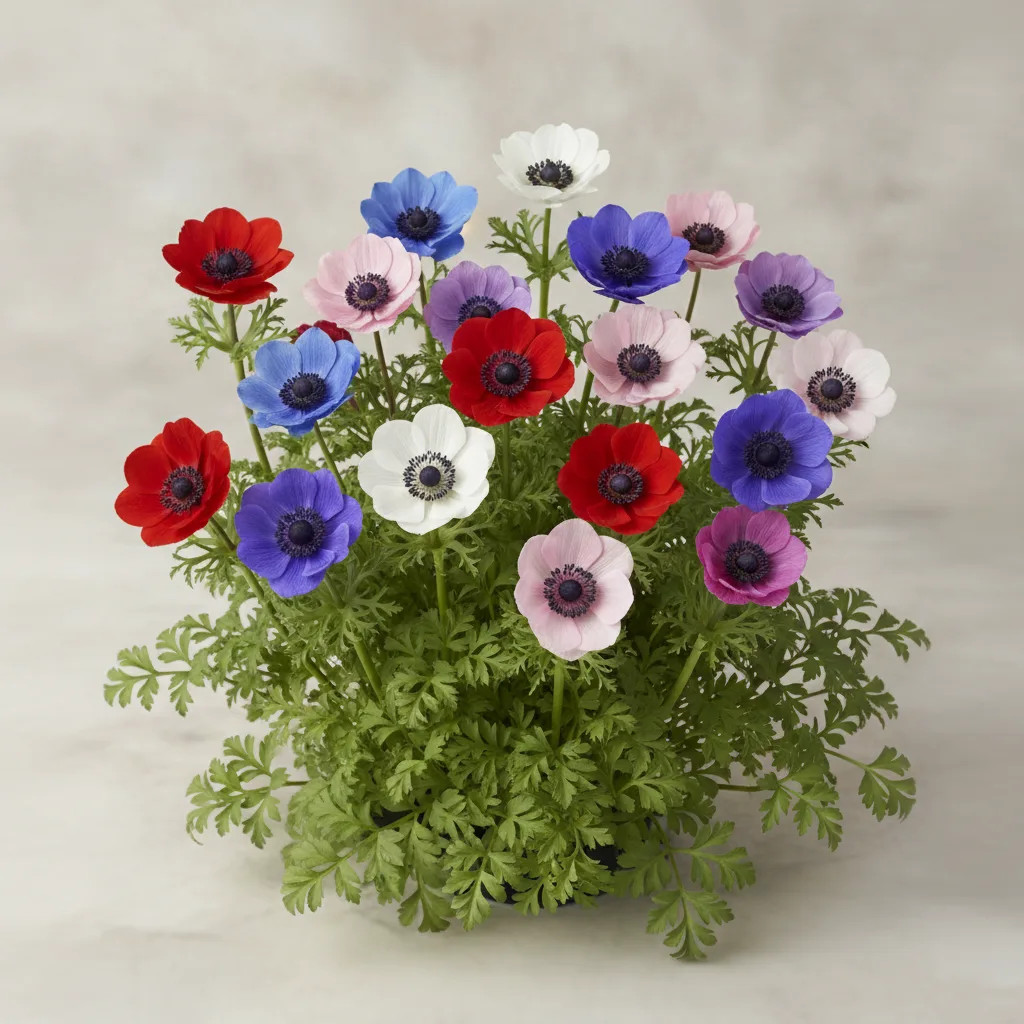 Poppy Anemone · Anemone coronaria Jewel-toned poppy-like flowers with a dark central boss, raised from corms soaked and planted in autumn. Excellent for cutting; all parts are toxic if eaten.
 -
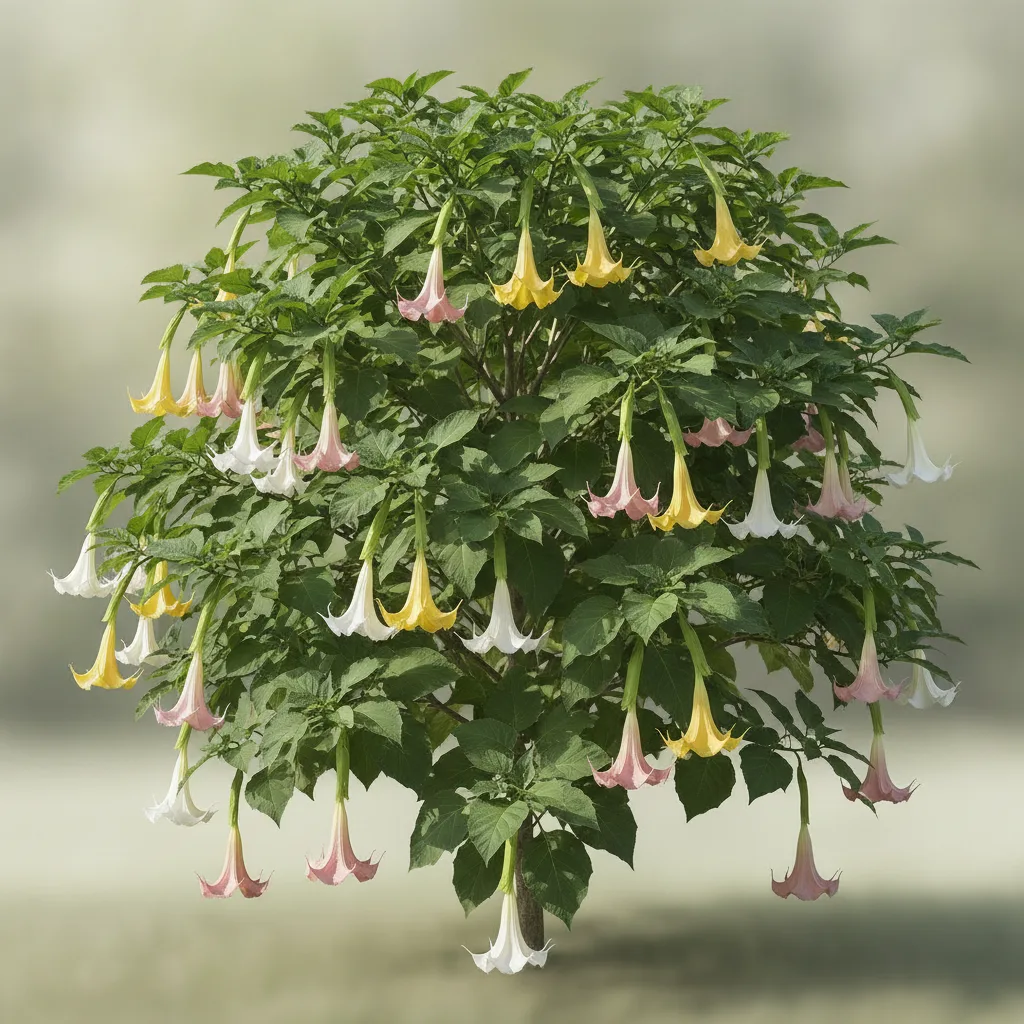 Angel's Trumpet · Brugmansia x candida A dramatic large shrub hung with enormous pendulous trumpet flowers that pour out a heady perfume in the evening. Spectacular but extremely toxic in all parts; handle and site with care.
 -
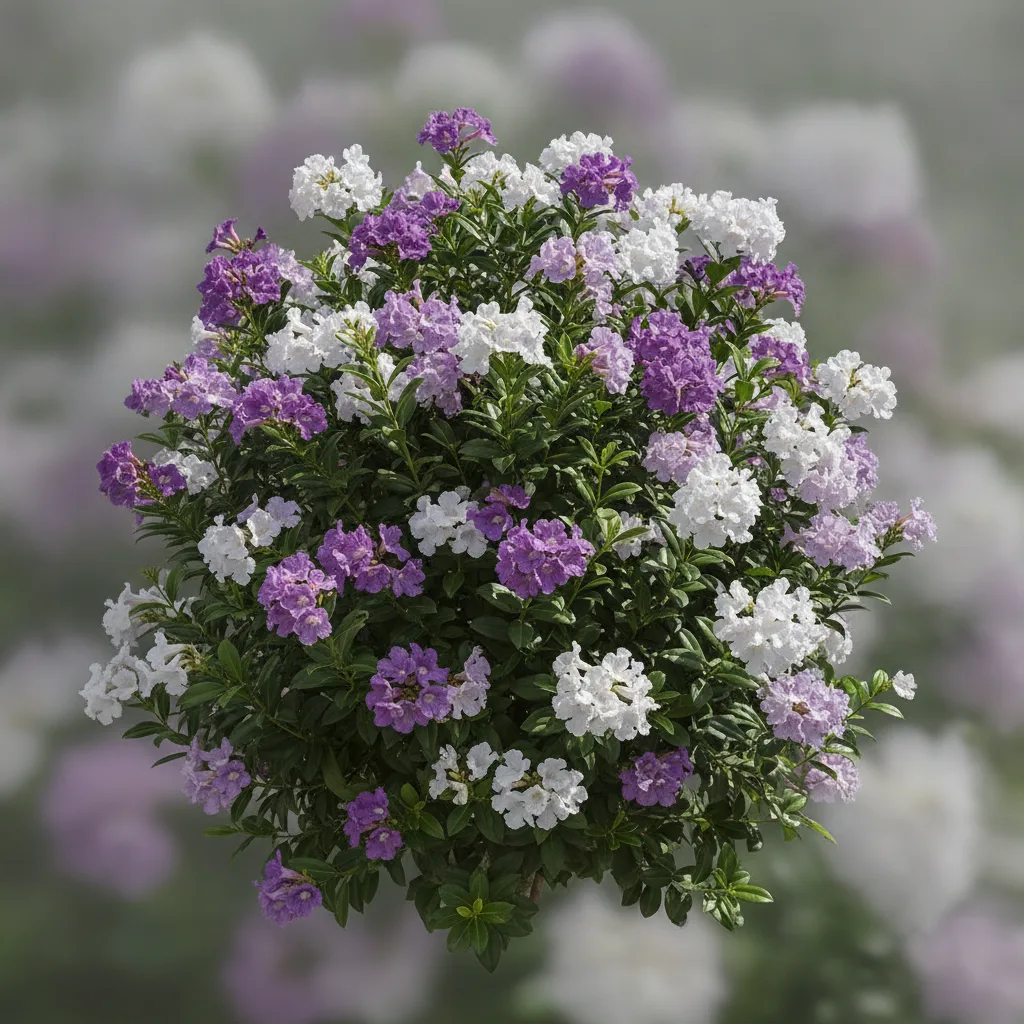 Yesterday-Today-and-Tomorrow · Brunfelsia latifolia A fragrant shrub whose flowers open deep purple, fade to lavender then white, so all three shades appear together. Sweetly scented in spring; all parts are toxic, especially to dogs.
 -
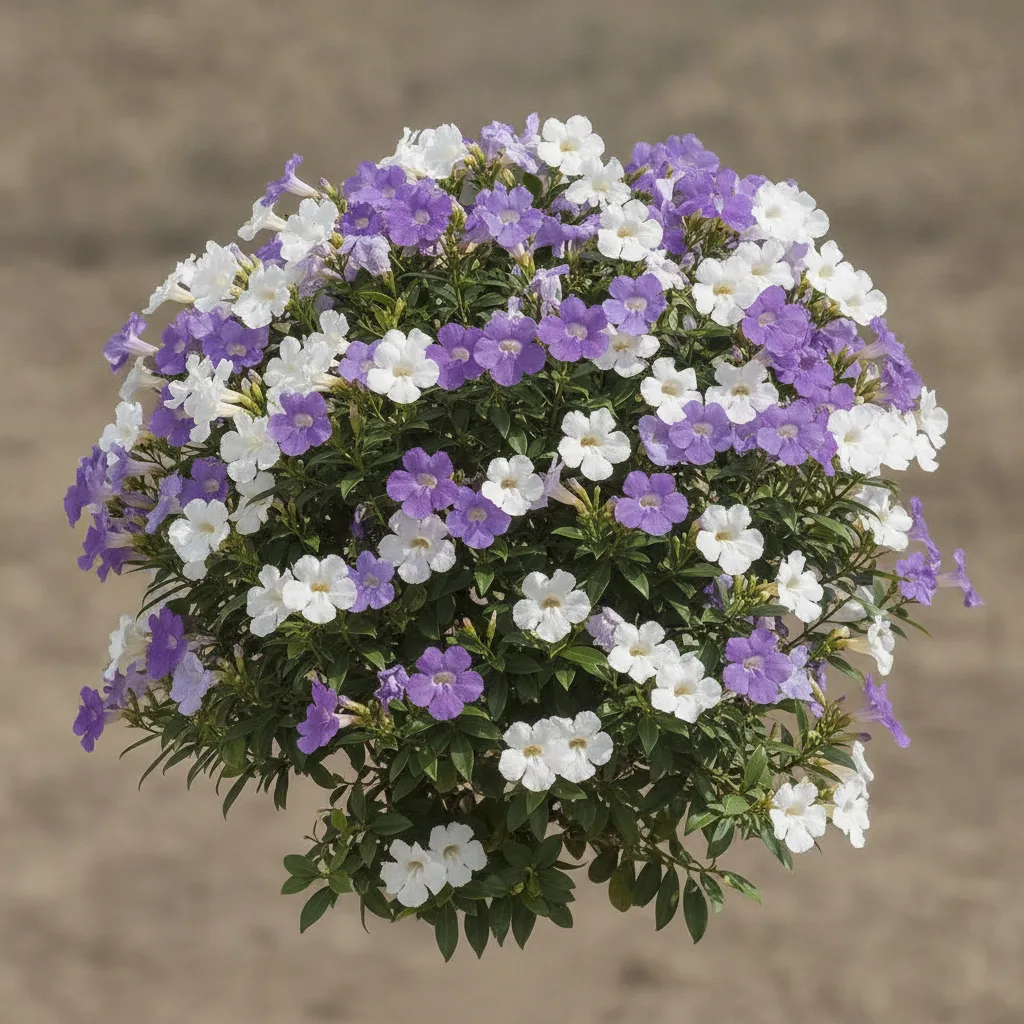 Yesterday Today and Tomorrow · Brunfelsia pauciflora 'Floribunda' A fragrant evergreen whose flowers open deep purple, fade to lavender then white, so all three colours appear at once. Beautiful but all parts are poisonous to pets and people if eaten.
 -
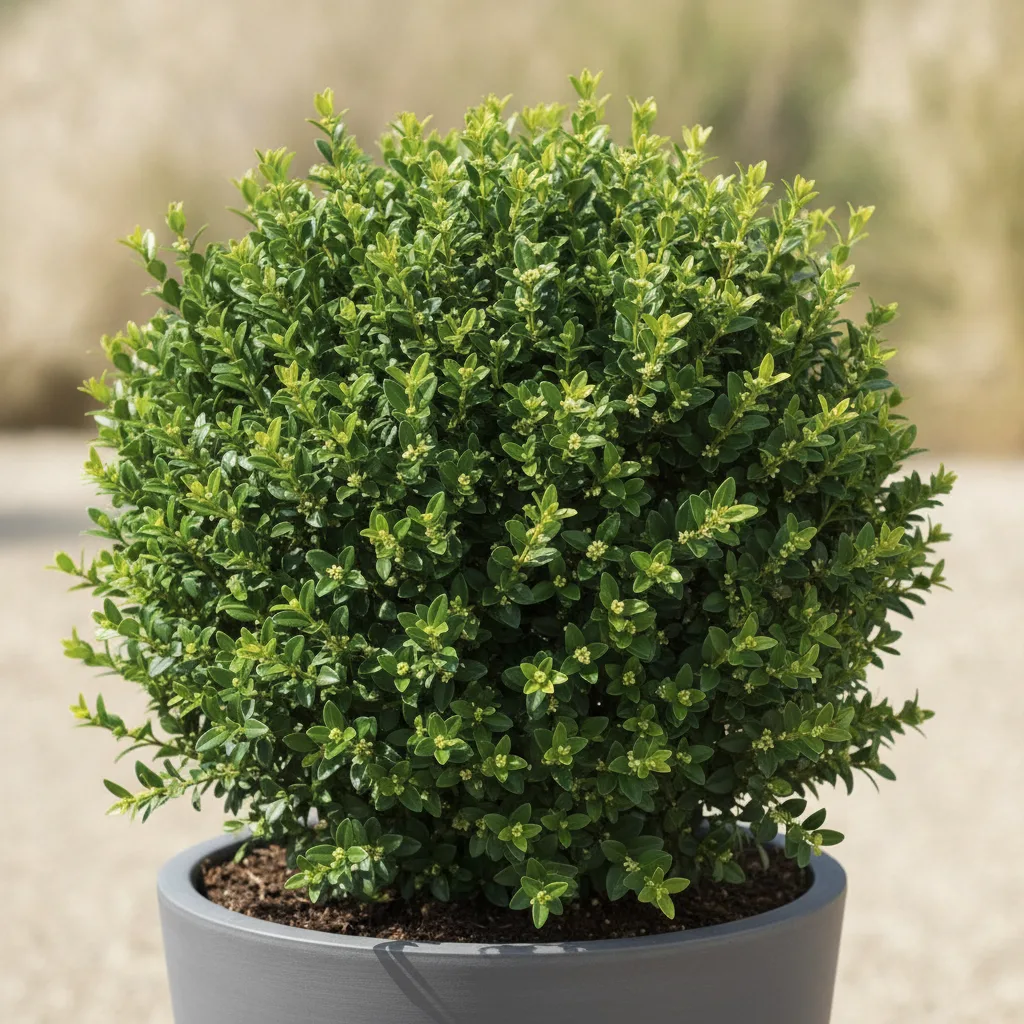 Japanese Box · Buxus microphylla var. japonica The classic clipped formal-hedge and topiary plant, with small glossy rounded leaves on dense slow growth. More heat-tolerant than English box and the standard low border edge in Australian gardens.
 -
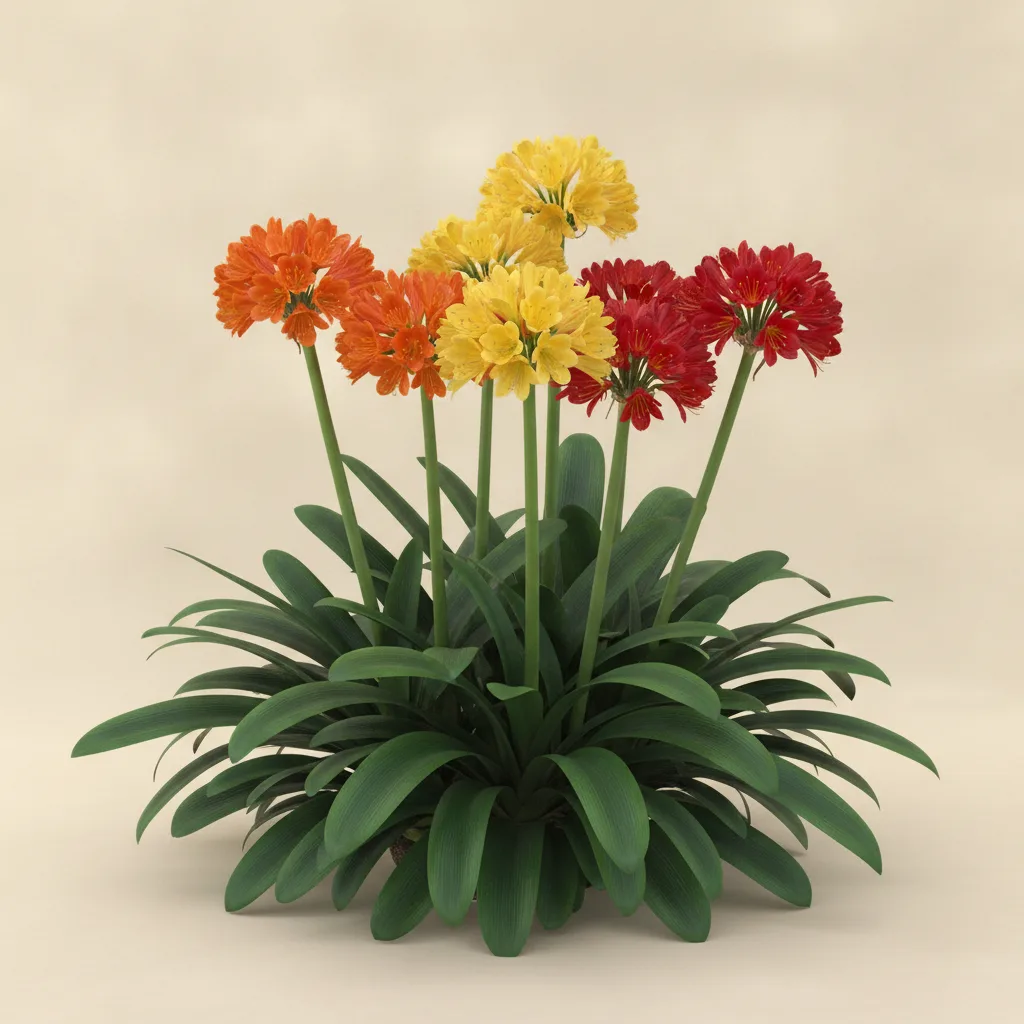 Bush Lily · Clivia miniata Glossy strap leaves and trusses of vivid orange trumpets light up dry shade where almost nothing else flowers. A long-lived clump-former; bulb and sap are toxic if eaten.
 -
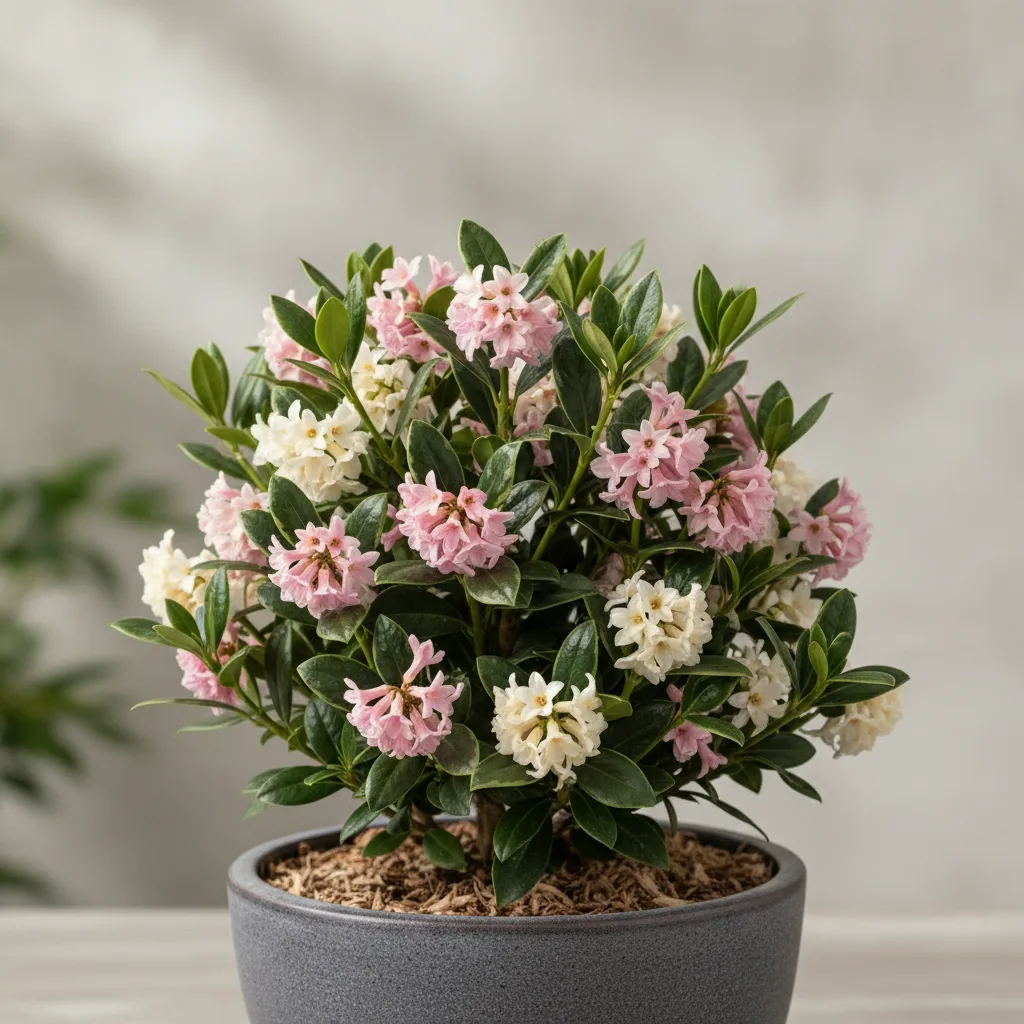 Winter Daphne · Daphne odora 'Leucanthe' A compact rounded shrub prized for clusters of waxy pink-and-white flowers that pour out an exquisite perfume in the depths of winter. Demands perfect drainage; all parts are highly toxic.
 -
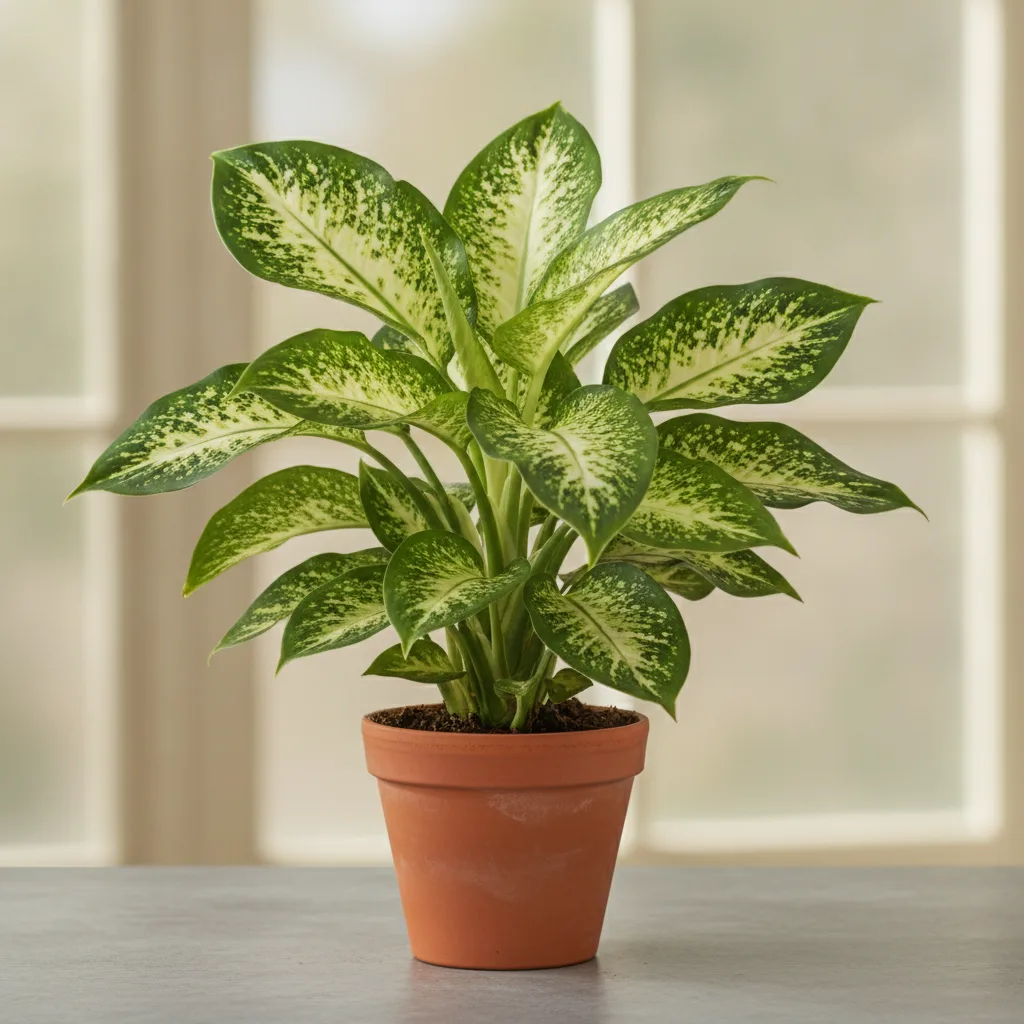 Dumb Cane · Dieffenbachia seguine A lush, upright foliage plant with large leaves marbled in cream and green. Striking and easy, but its sap is irritating, so handle with care around pets and children.
 -
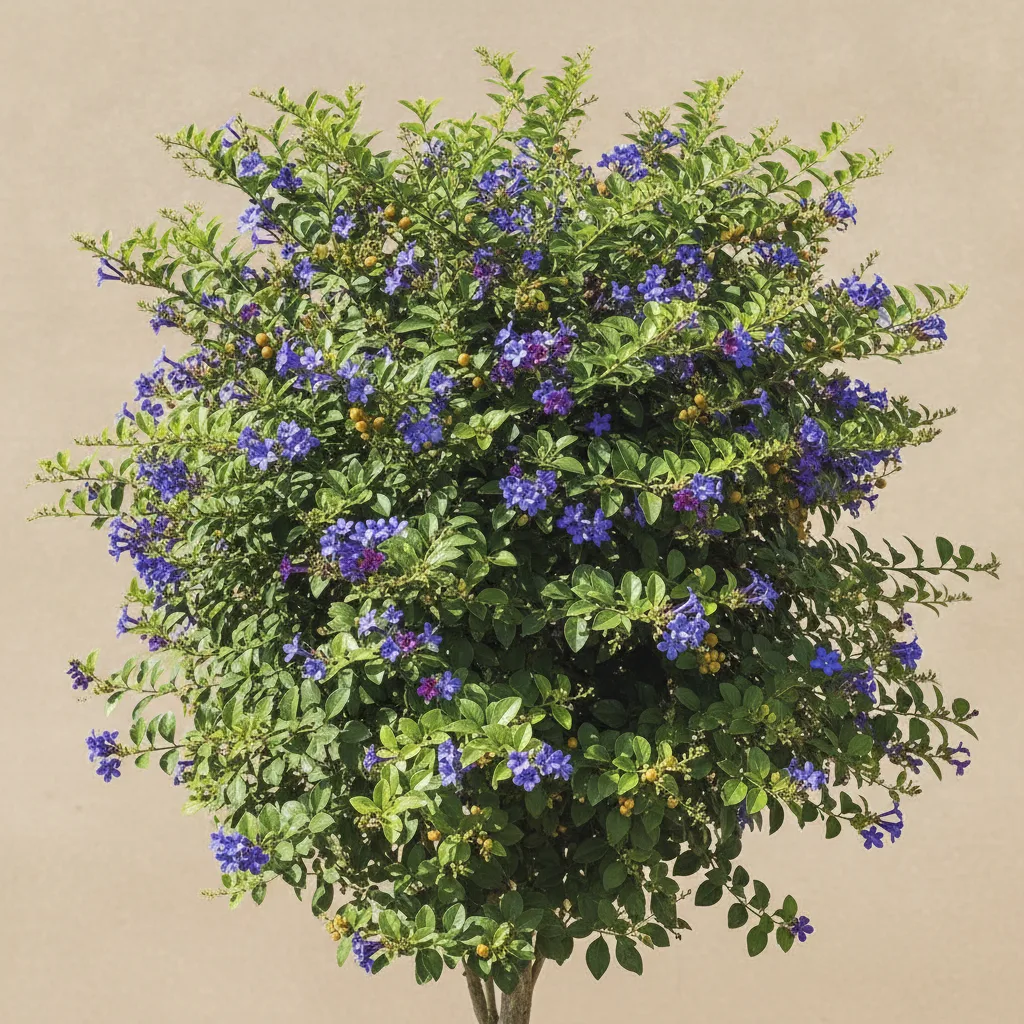 Geisha Girl Duranta · Duranta erecta 'Geisha Girl' A fast warm-climate shrub bearing sprays of two-tone purple-and-white flowers followed by golden berry clusters. Popular as a colourful clipped hedge; the berries and leaves are toxic if eaten.
 -
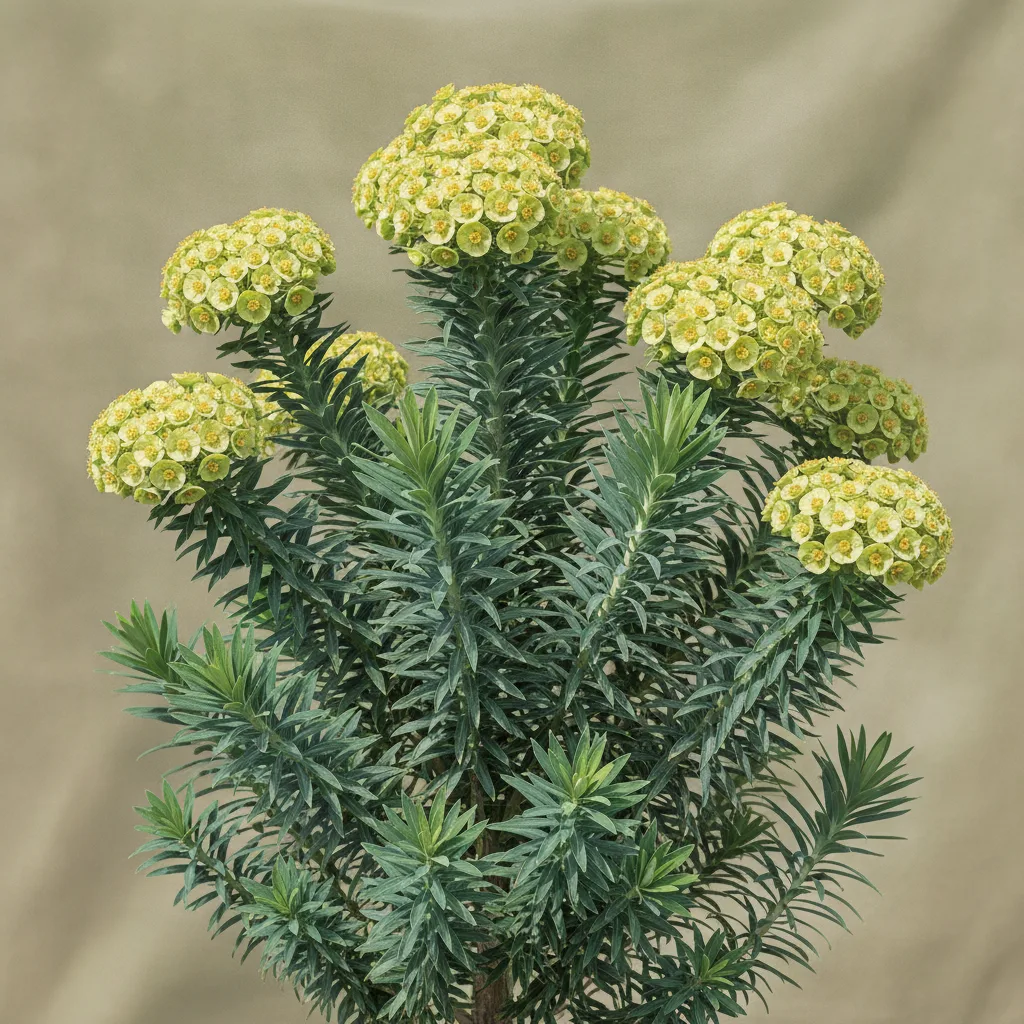 Mediterranean Spurge · Euphorbia characias Architectural domes of blue-grey foliage topped by lime-green flower heads in late winter, unfazed by drought. The milky sap is a skin and eye irritant, so wear gloves to prune.
 -
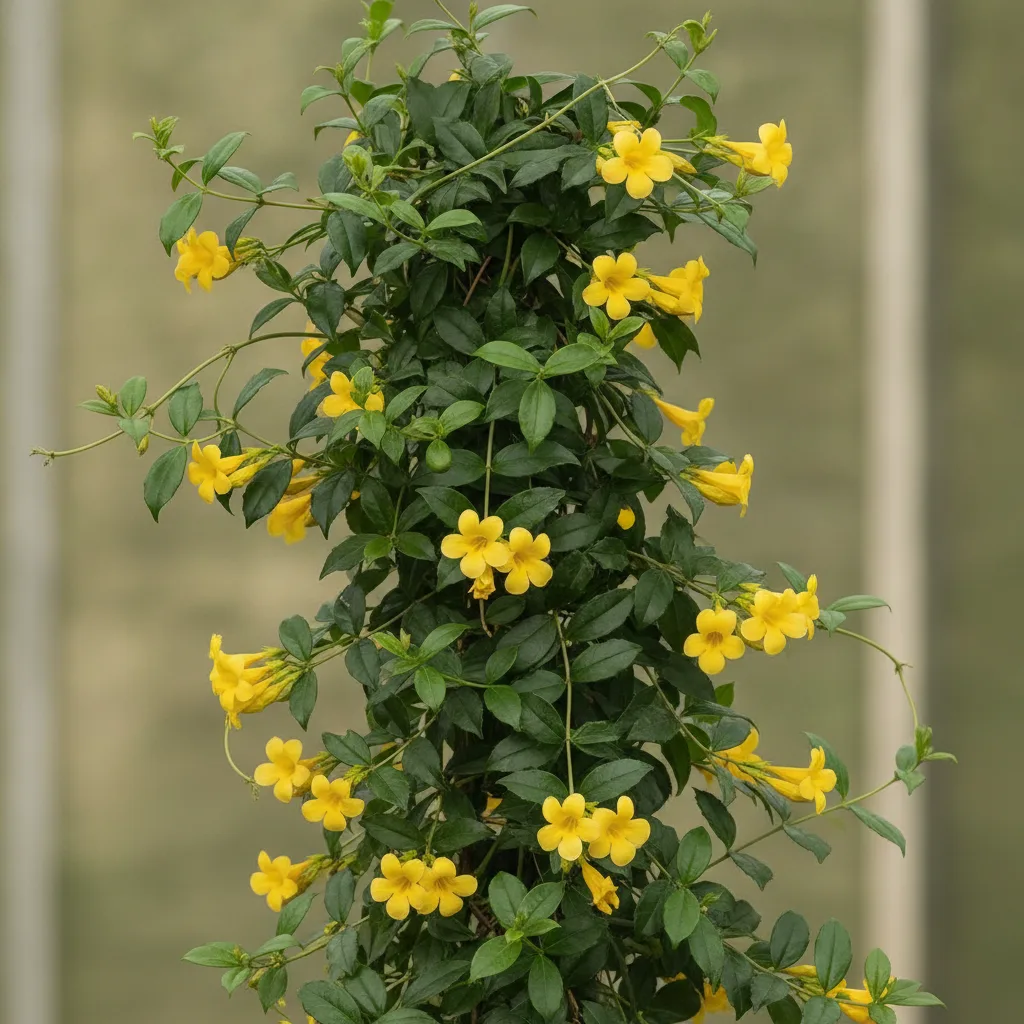 Carolina Jasmine · Gelsemium sempervirens A graceful, twining evergreen climber smothered in fragrant bright-yellow trumpet flowers in late winter and spring. Elegant and hardy, but every part of the plant is highly poisonous.
 -
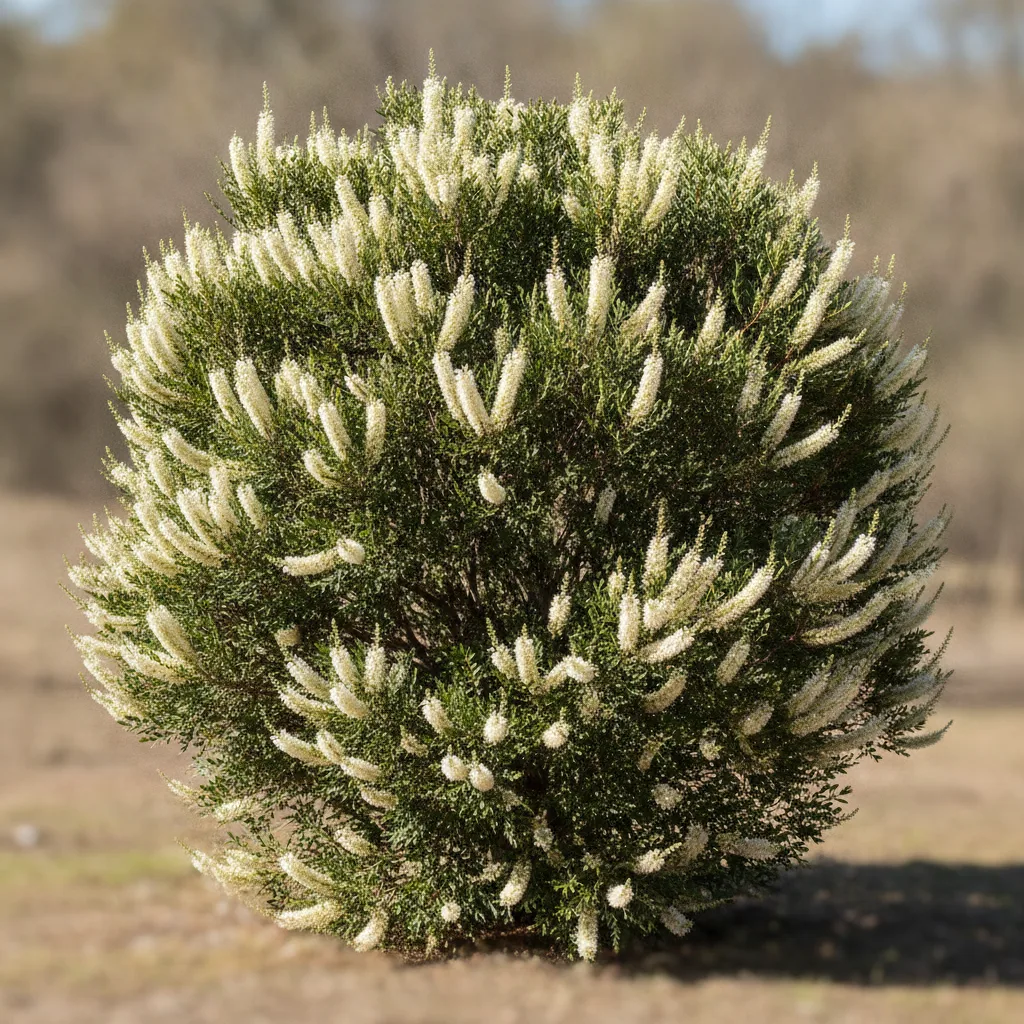 Grevillea Moonlight · Grevillea 'Moonlight' · from $18.95 A large, fast-growing hybrid bearing long cream-white toothbrush flowers almost continuously, set against ferny green foliage. An outstanding bird-attracting feature or informal screen.
 -
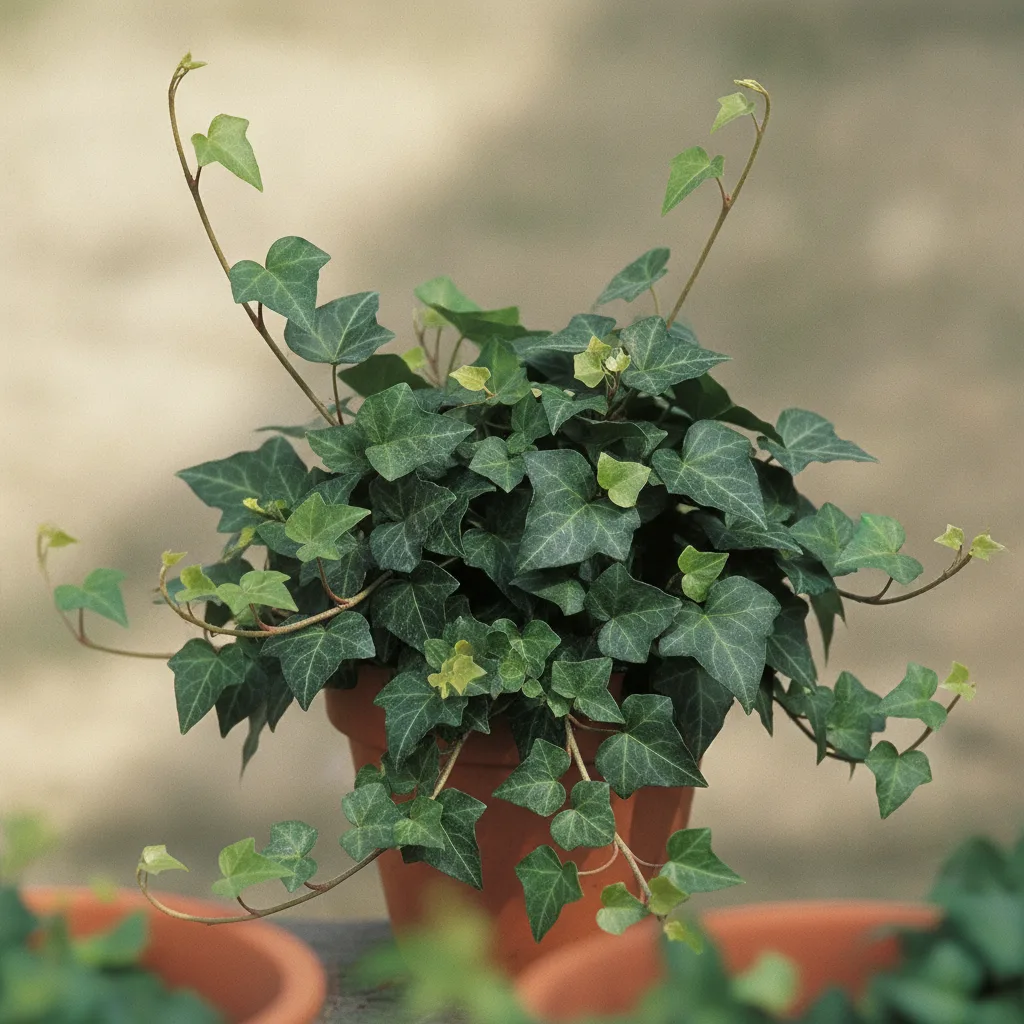 English Ivy · Hedera helix A tough, self-clinging evergreen climber and groundcover with classic lobed dark-green leaves that thrives in deep shade. Useful but invasive, it can damage masonry and is toxic if eaten.
 -
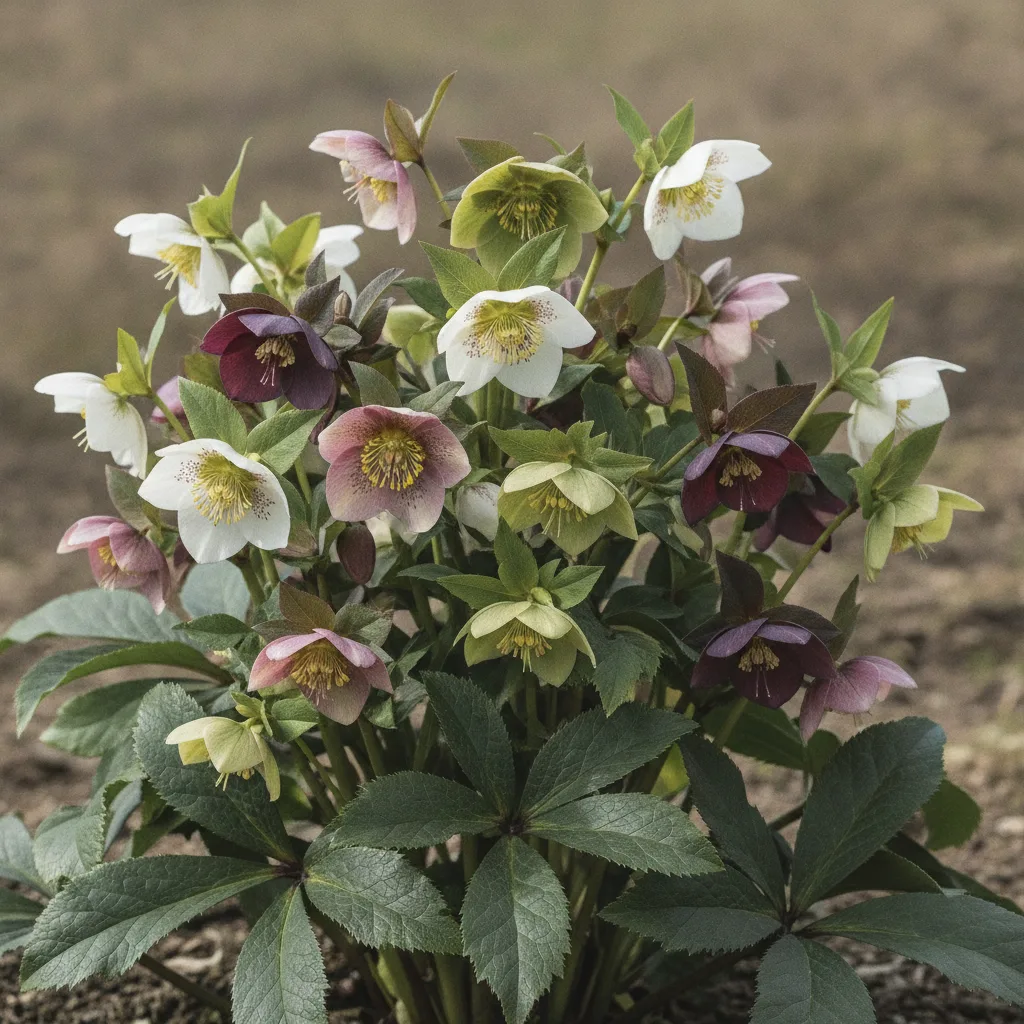 Lenten Rose · Helleborus orientalis Nodding, long-lasting blooms in winter and early spring brighten the shadiest corners under deciduous trees. All parts are toxic if eaten, so site away from grazing pets.
 -
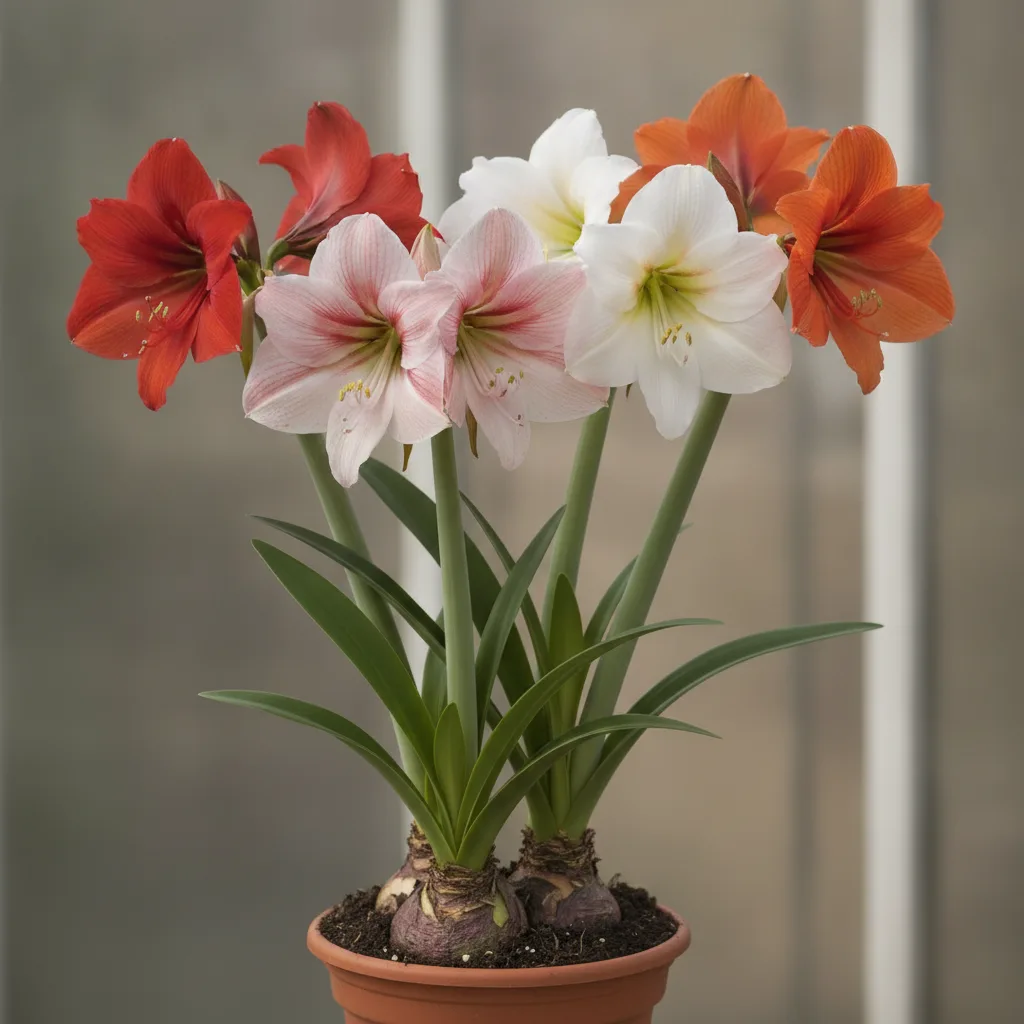 Hippeastrum · Hippeastrum hybrid Huge trumpet flowers on stout stalks make a spectacular pot or border display in warm climates. The large bulbs are easy and long-lived but toxic to pets and people.
 -
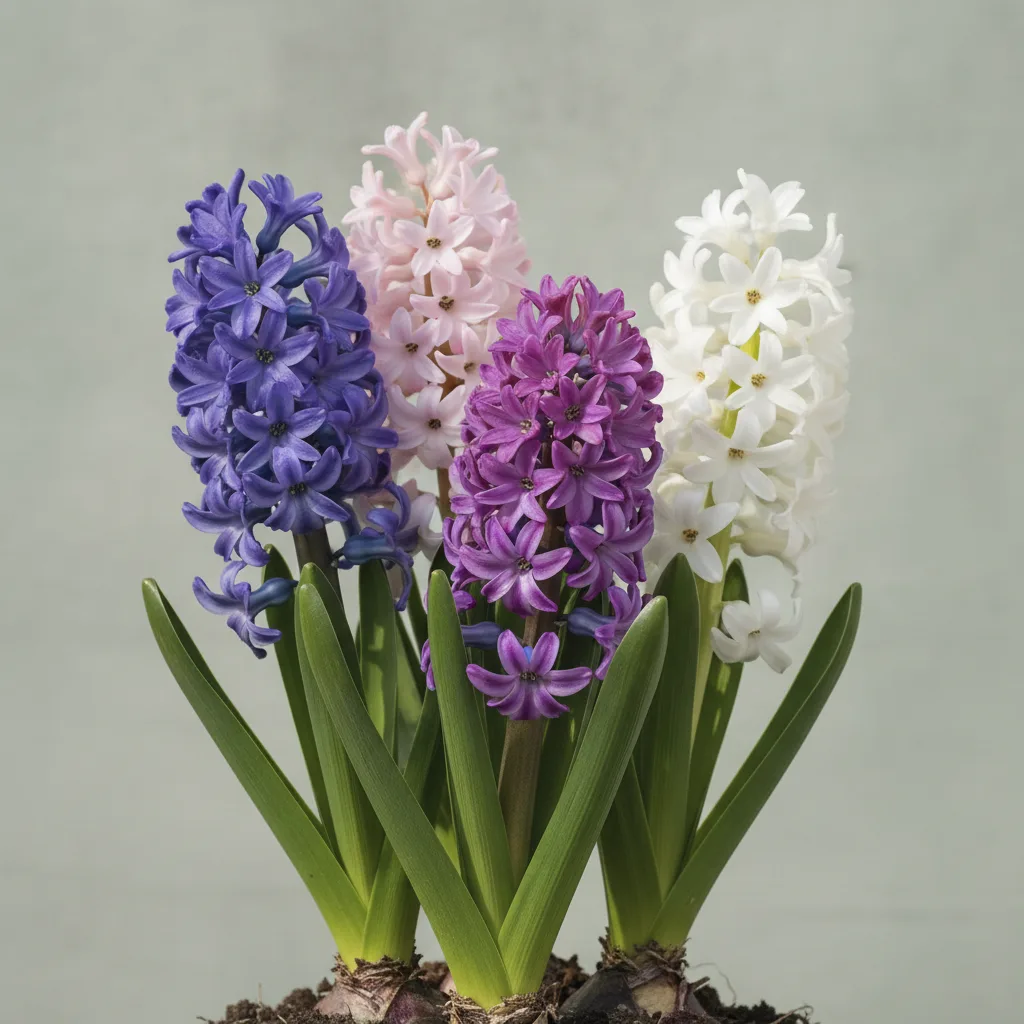 Hyacinth · Hyacinthus orientalis Dense waxy spikes pack an extraordinary fragrance into a compact bulb, superb in pots indoors or out. Needs winter chill to flower well; the bulbs can irritate skin and are toxic if eaten.
 -
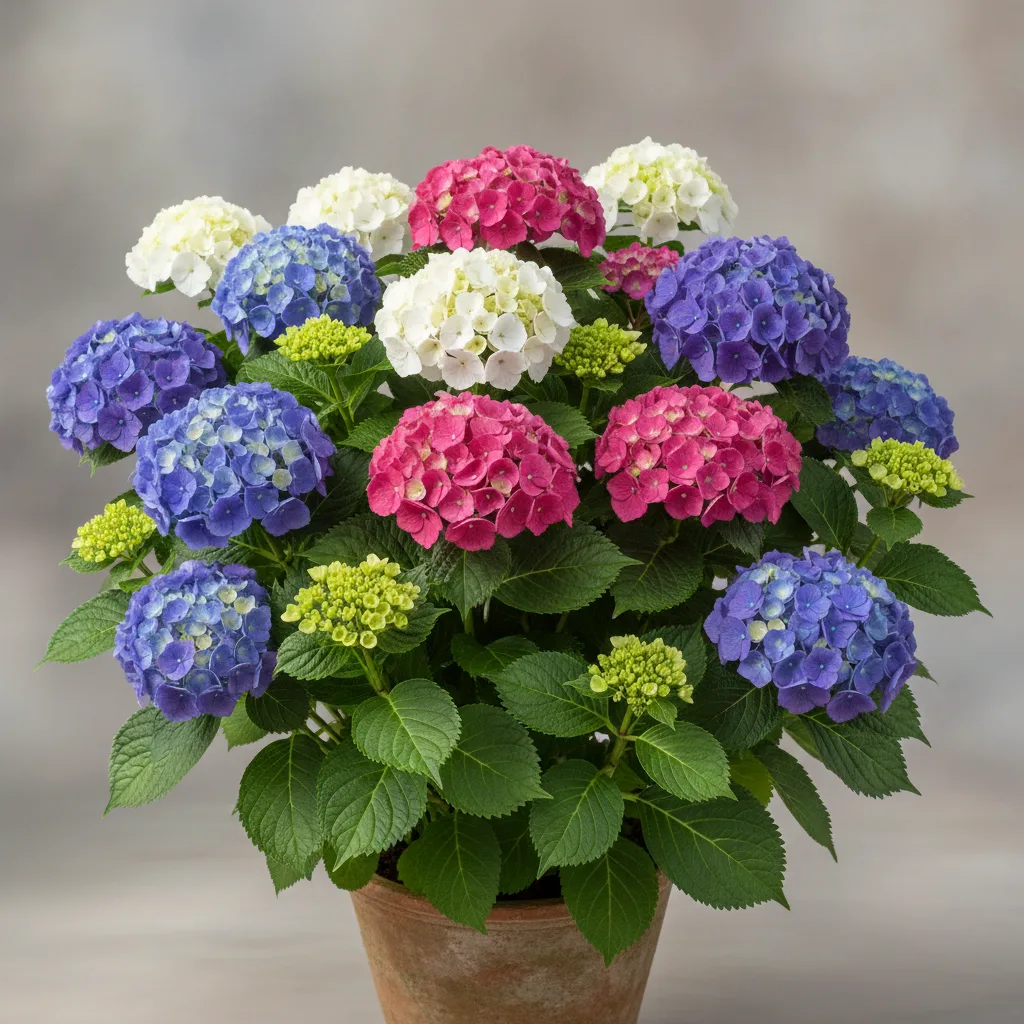 Hydrangea · Hydrangea macrophylla The beloved cottage-garden hydrangea with huge rounded flower heads whose colour shifts blue in acid soil and pink in alkaline. A shade-loving deciduous shrub spectacular through summer.
 -
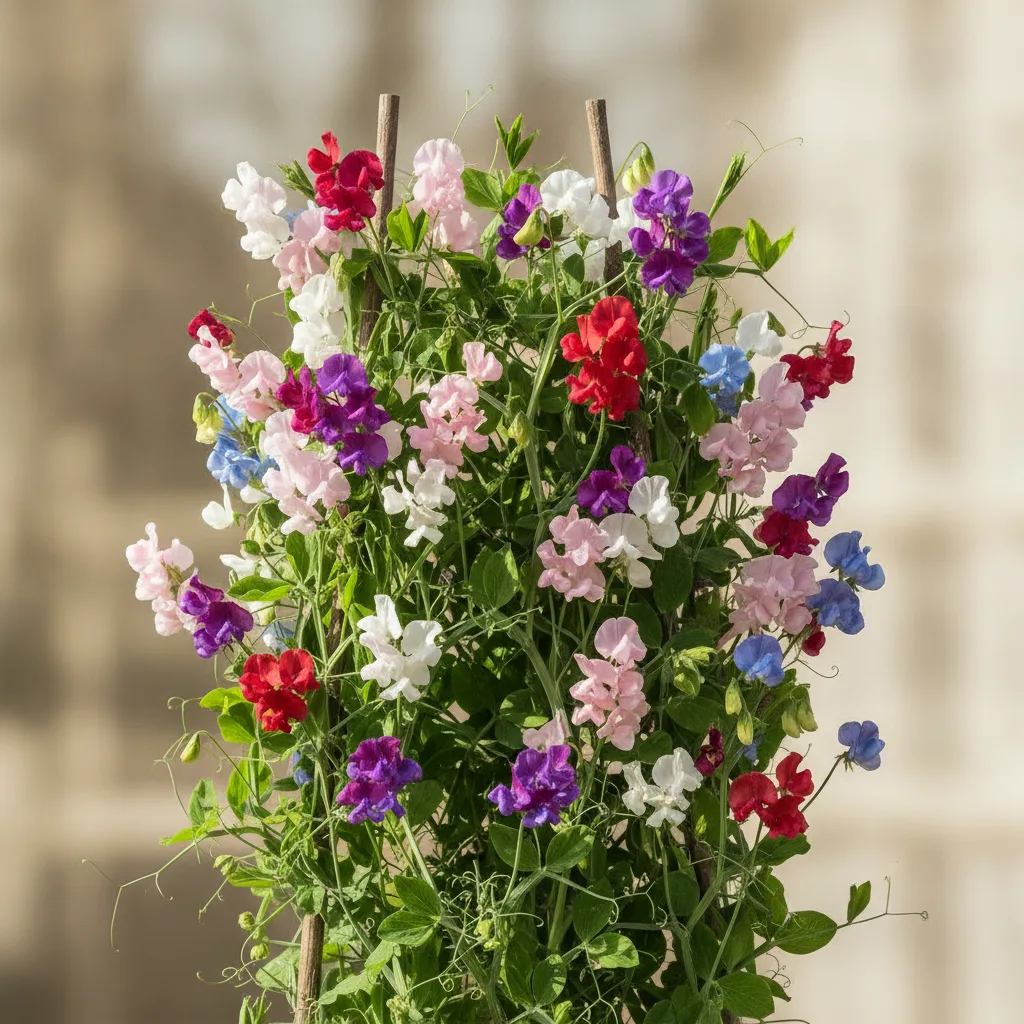 Sweet Pea · Lathyrus odoratus Climbing tendrils carry waves of intensely fragrant butterfly flowers in spring, unbeatable for picking. Traditionally sown around St Patrick's Day; the seeds and pods are toxic if eaten.
 -
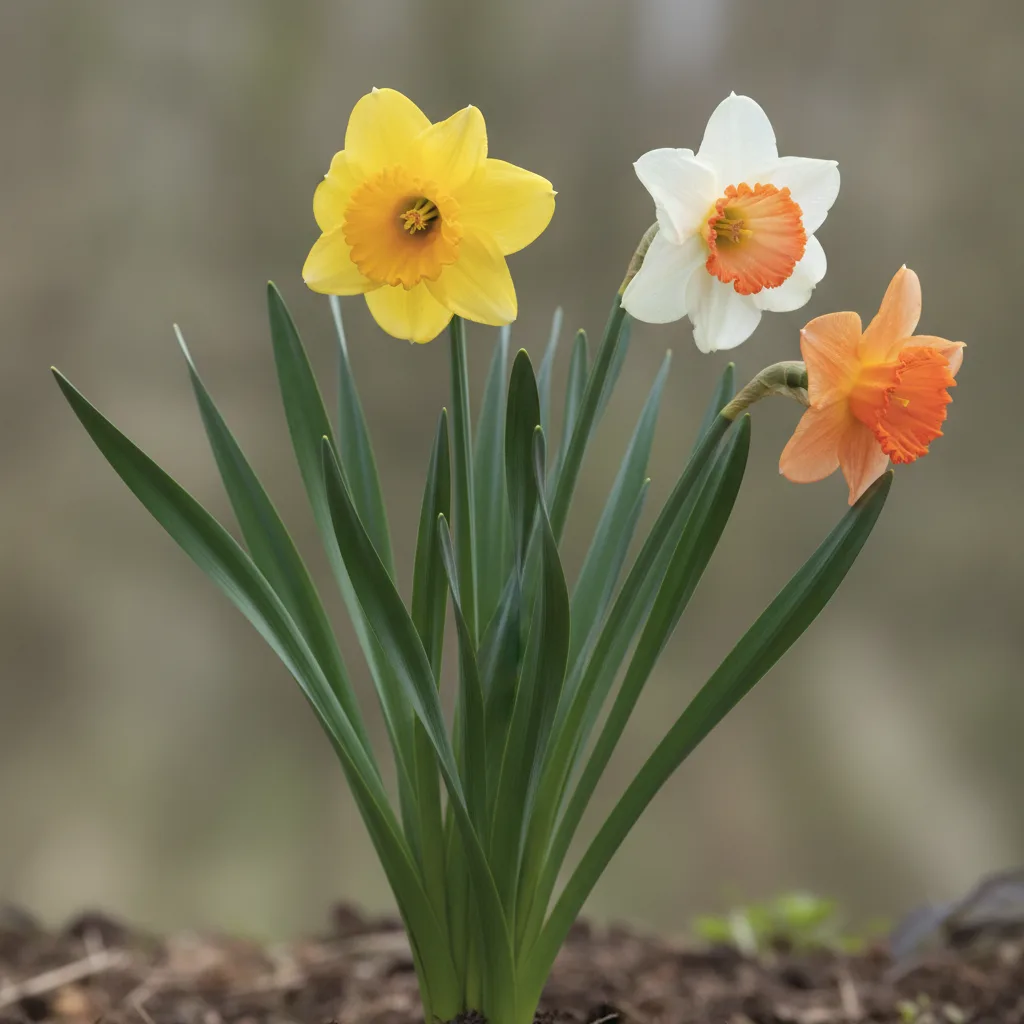 Daffodil · Narcissus hybrid Cheerful trumpets that herald the end of winter and naturalise into drifts in cooler gardens. Every part contains toxic alkaloids, which also makes the bulbs rodent and deer proof.
 -
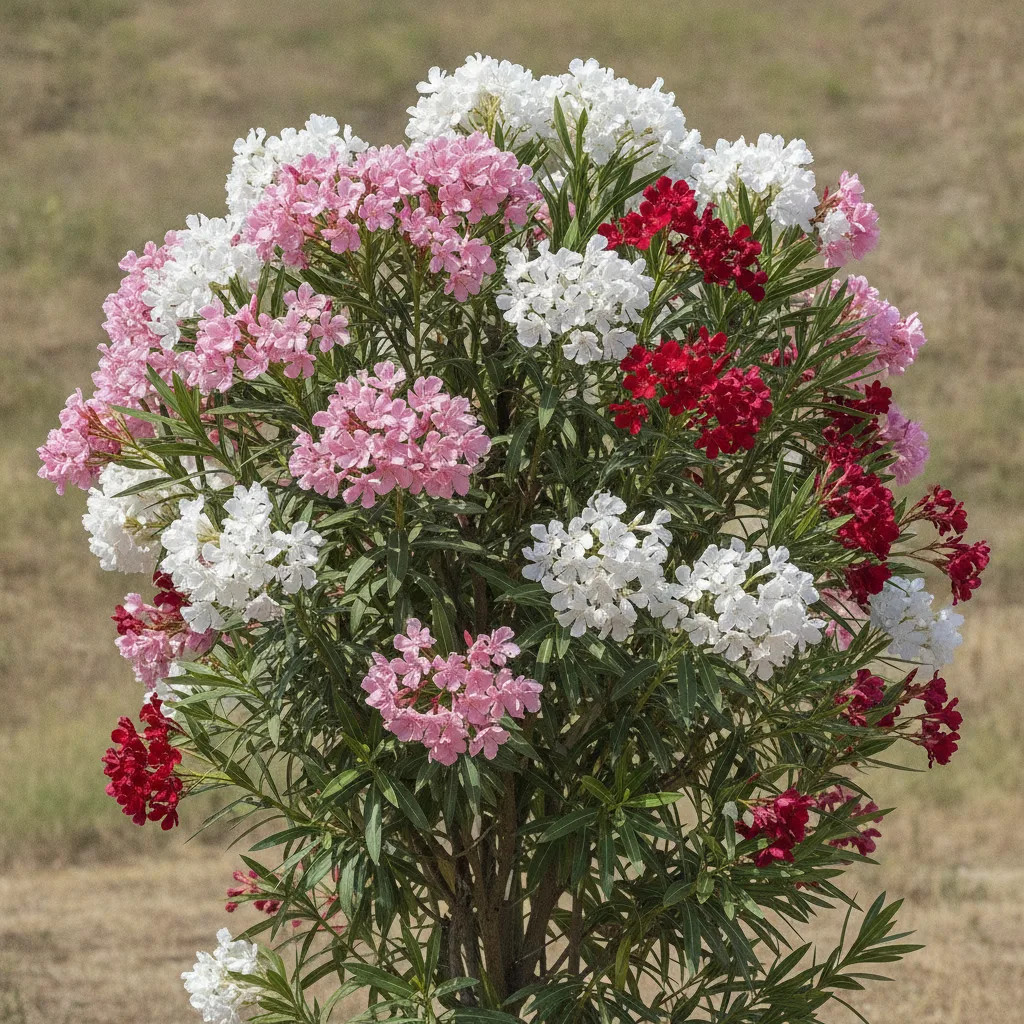 Oleander · Nerium oleander An extremely tough, heat- and drought-proof shrub flowering all summer in pink, white or red. Ideal for hot, dry and coastal screens, but every part is highly toxic to people and animals.
 -
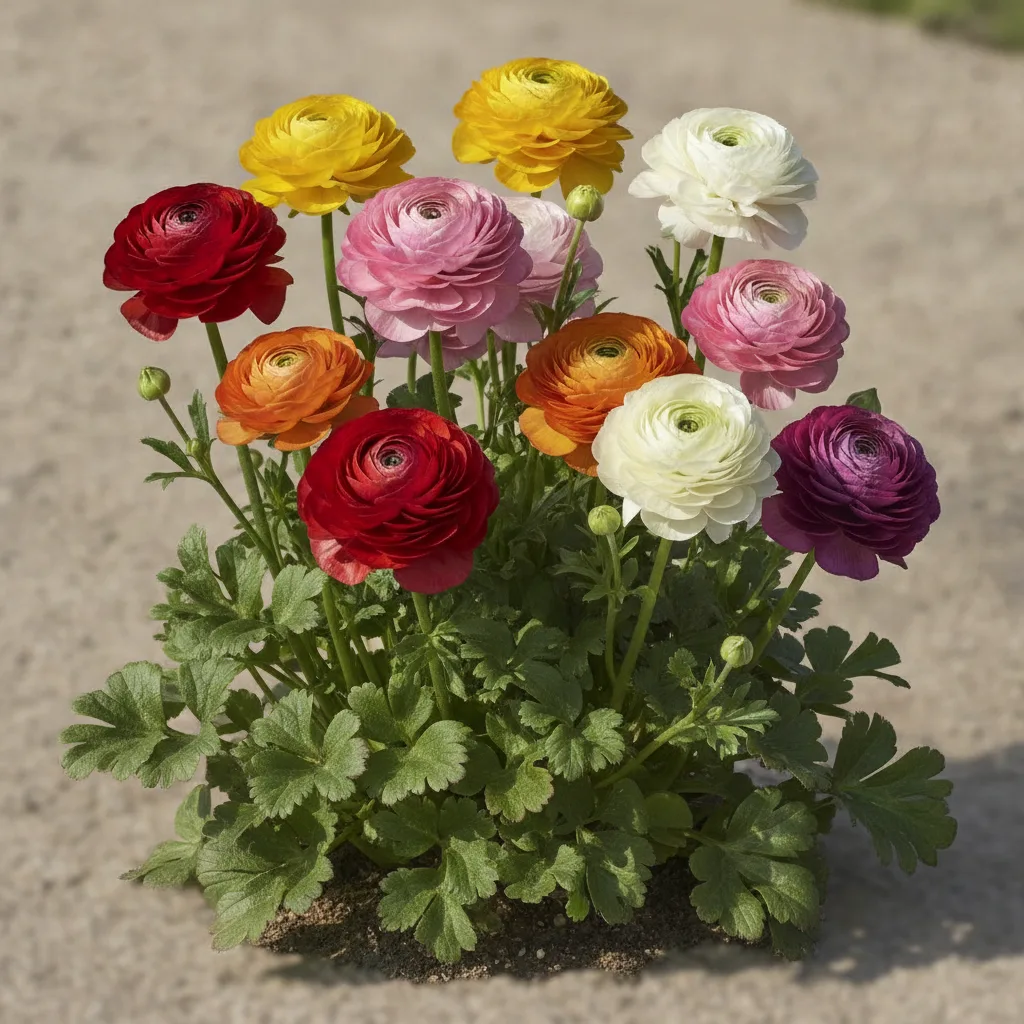 Persian Buttercup · Ranunculus asiaticus Tightly ruffled, rose-like flowers in brilliant colours, grown from claw-shaped tubers planted in autumn. A florist favourite; the sap can irritate skin and is toxic if eaten.
 -
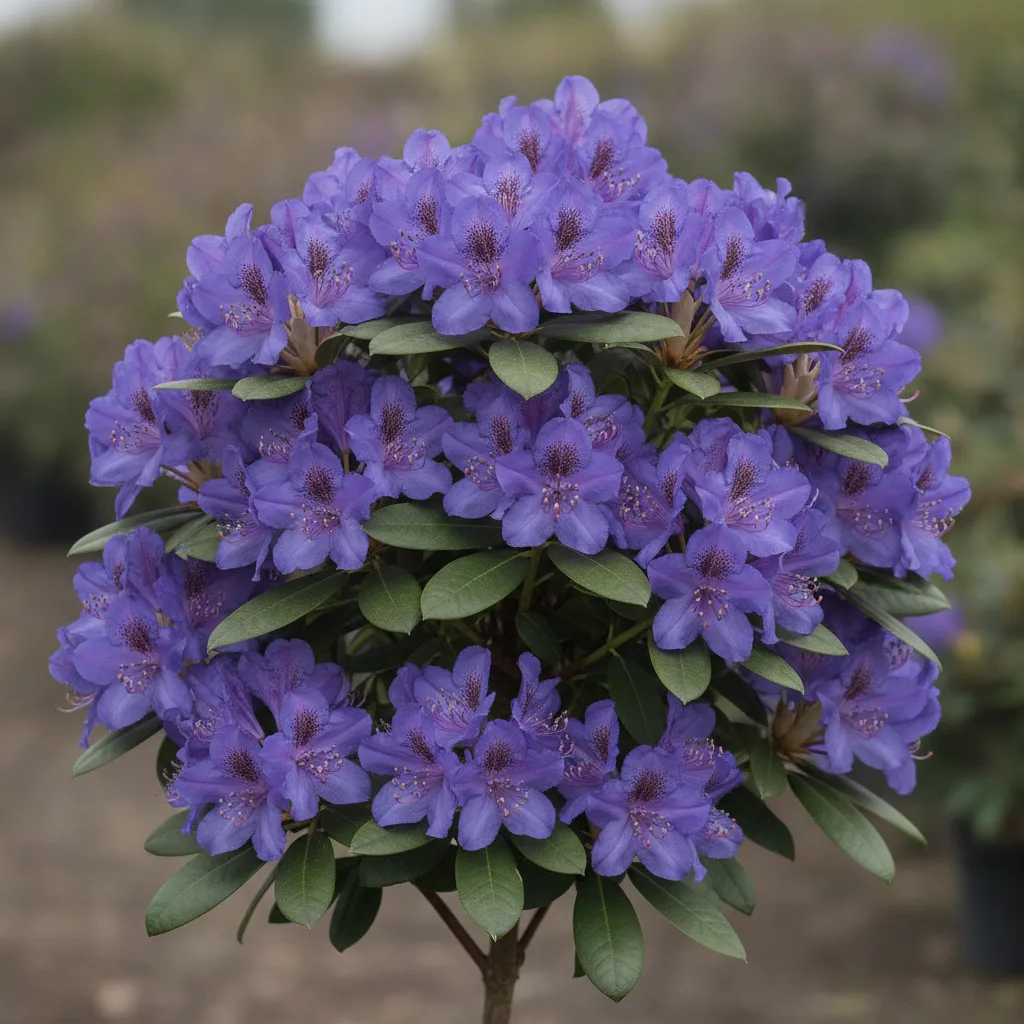 Blue Diamond Rhododendron · Rhododendron 'Blue Diamond' A dwarf, small-leafed rhododendron smothered in clusters of violet-blue flowers in spring on a compact, twiggy bush. Ideal for rockeries and pots. All parts contain grayanotoxins and are toxic to pets and people.
 -
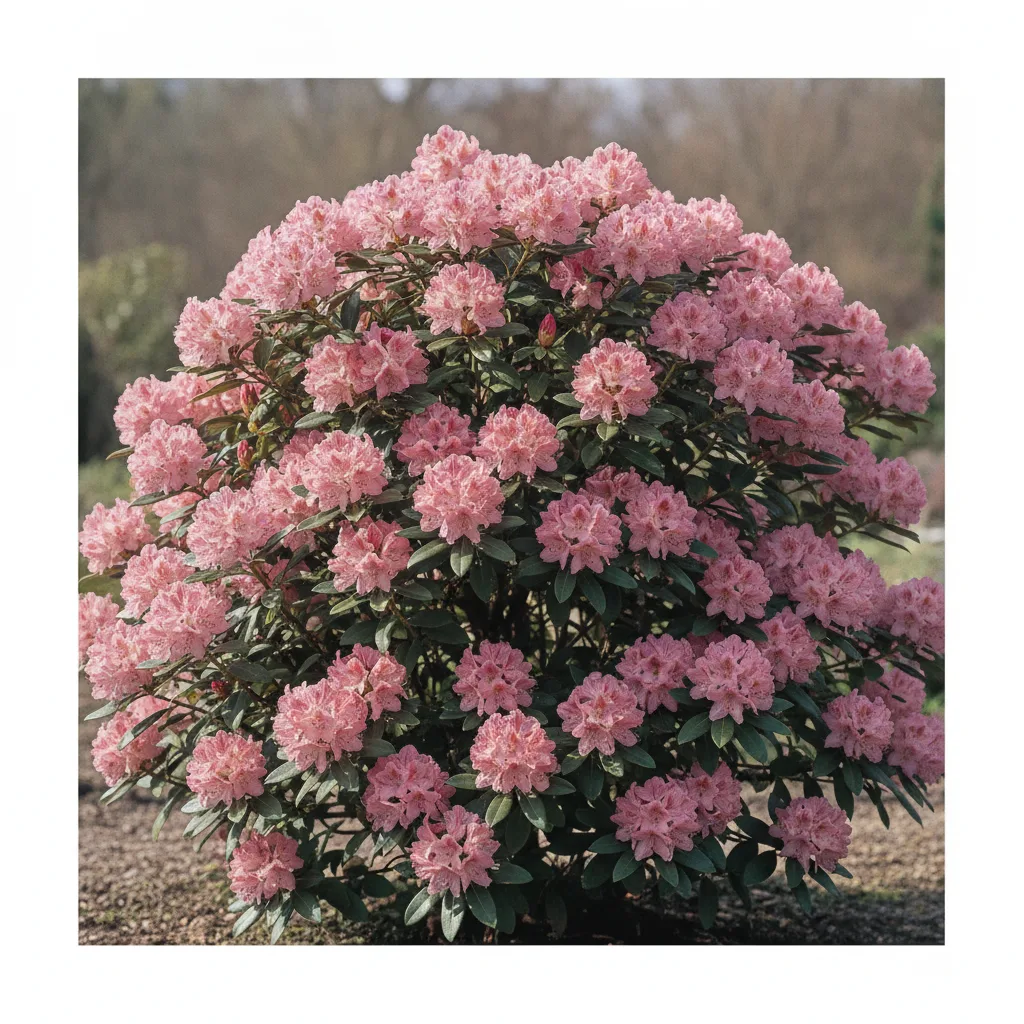 Christmas Cheer Rhododendron · Rhododendron 'Christmas Cheer' An early-flowering rhododendron whose pink buds open to blush-pink bells from late winter, an old cottage-garden favourite. All parts contain grayanotoxins and are toxic to pets and people.
 -
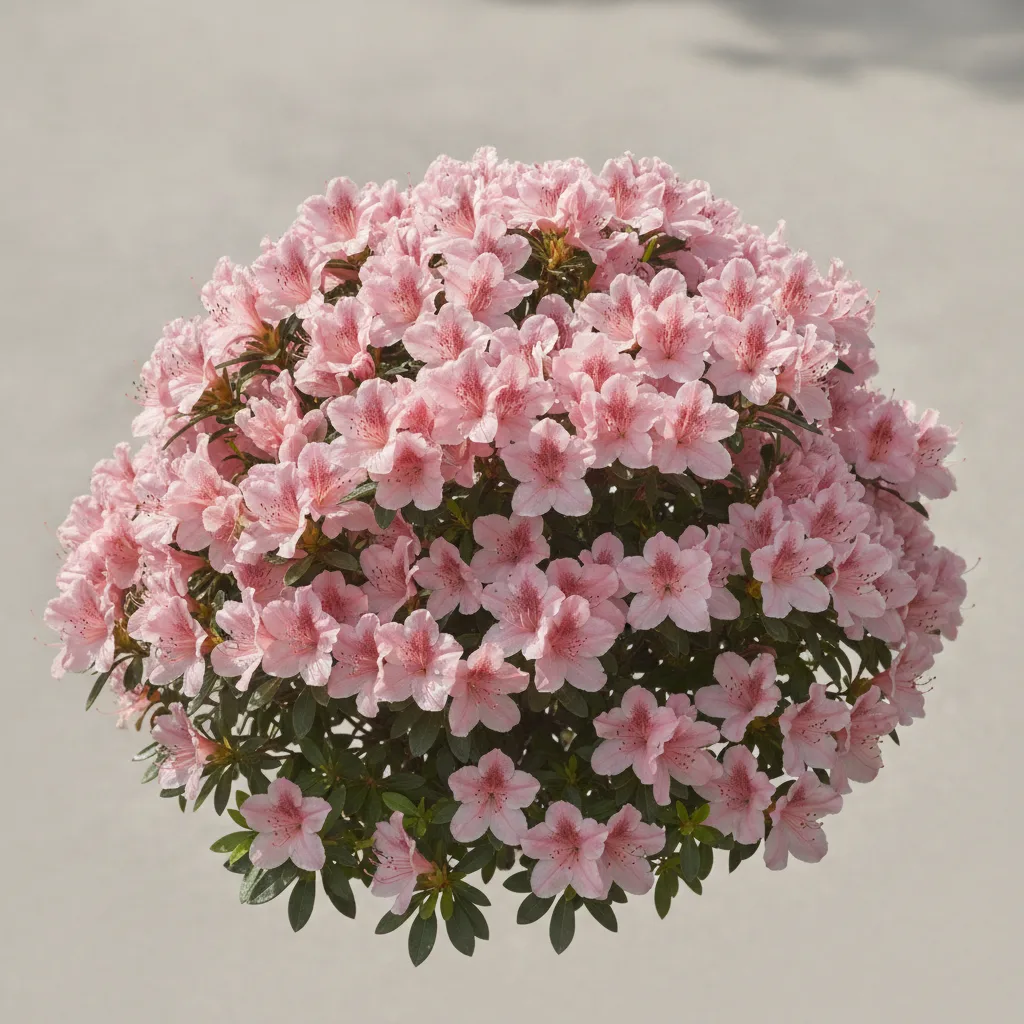 Gumpo Pink Azalea · Rhododendron 'Gumpo Pink' A dwarf, spreading Satsuki azalea bearing large, frilled soft-pink blooms late in the azalea season on a low mounding bush. Ideal for borders, pots and bonsai. All parts contain grayanotoxins and are toxic to pets and people.
 -
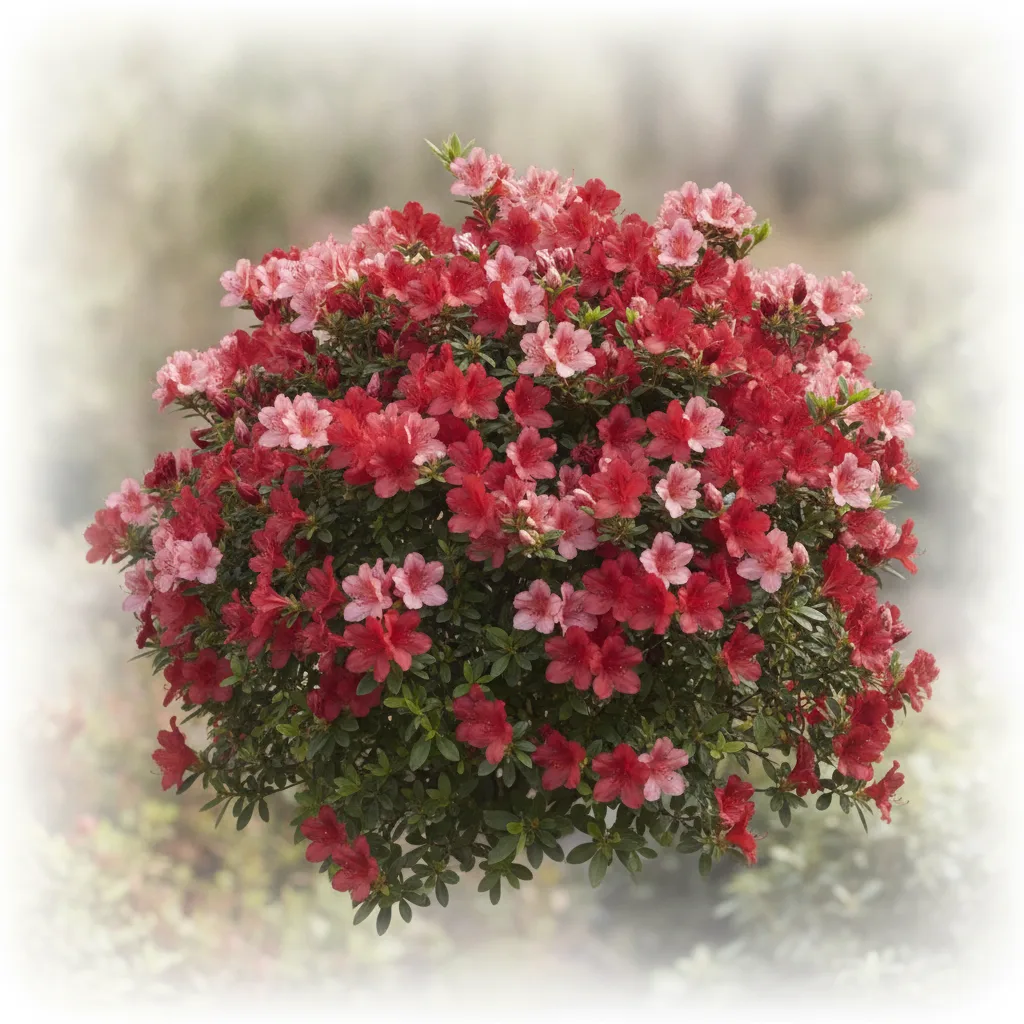 Gumpo Red Azalea · Rhododendron 'Gumpo Red' A dwarf, spreading Satsuki azalea bearing large frilled blooms of bright rosy red late in the season on a low mounding bush. Ideal for borders and pots. All parts contain grayanotoxins and are toxic to pets and people.
 -
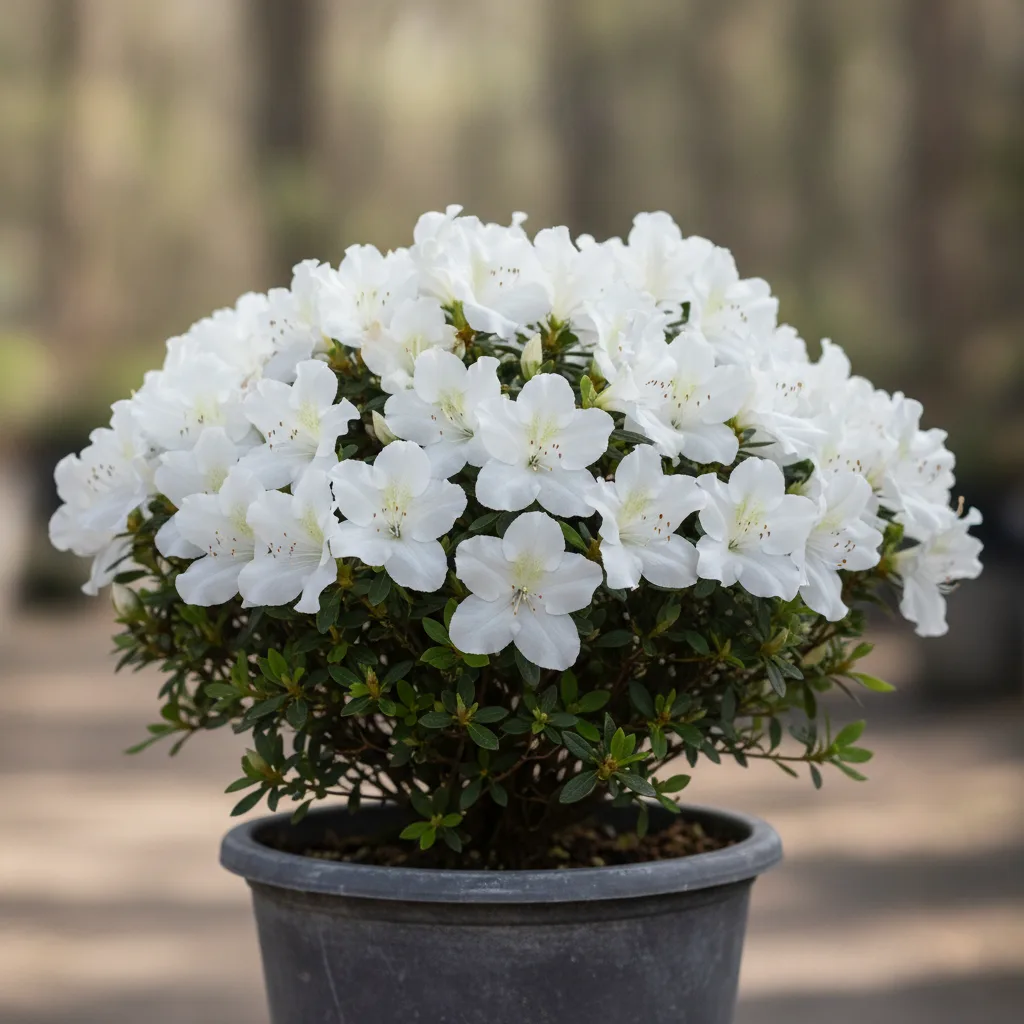 Gumpo White Azalea · Rhododendron 'Gumpo White' A dwarf, low-spreading Satsuki azalea with large, ruffled pure-white blooms appearing late in the season. Perfect for low borders, pots and bonsai. All parts contain grayanotoxins and are toxic to pets and people.
 -
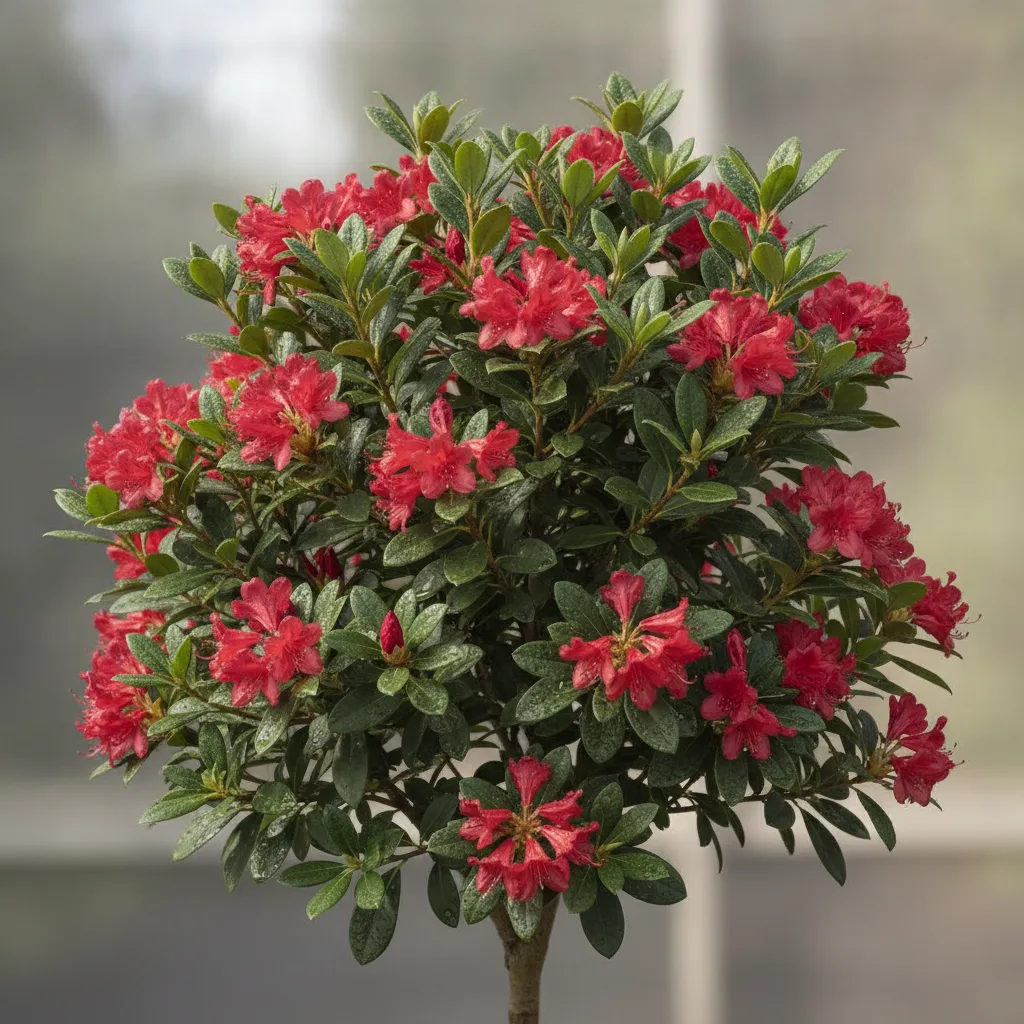 Littlest Angel Vireya · Rhododendron 'Vireya Littlest Angel' A dwarf, frost-tender Vireya rhododendron with small leaves and pendulous, tubular bright-red flowers carried much of the year. Perfect for hanging baskets and small pots. All parts contain grayanotoxins and are toxic to pets and people.
 -
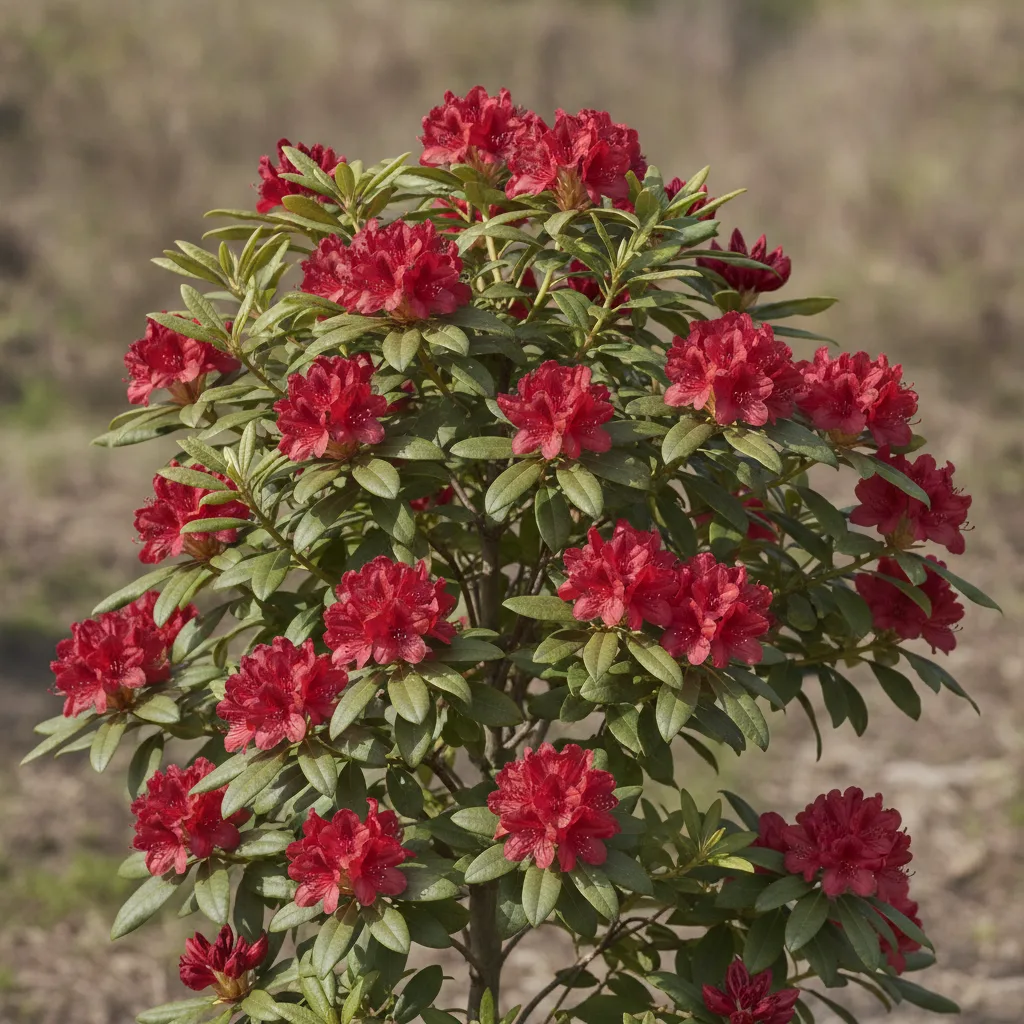 Nova Zembla Rhododendron · Rhododendron 'Nova Zembla' A hardy, sun-tolerant rhododendron bearing dense trusses of deep red bell flowers with darker blotches in spring. One of the toughest reds for cold gardens. All parts contain grayanotoxins and are toxic to pets and people.
 -
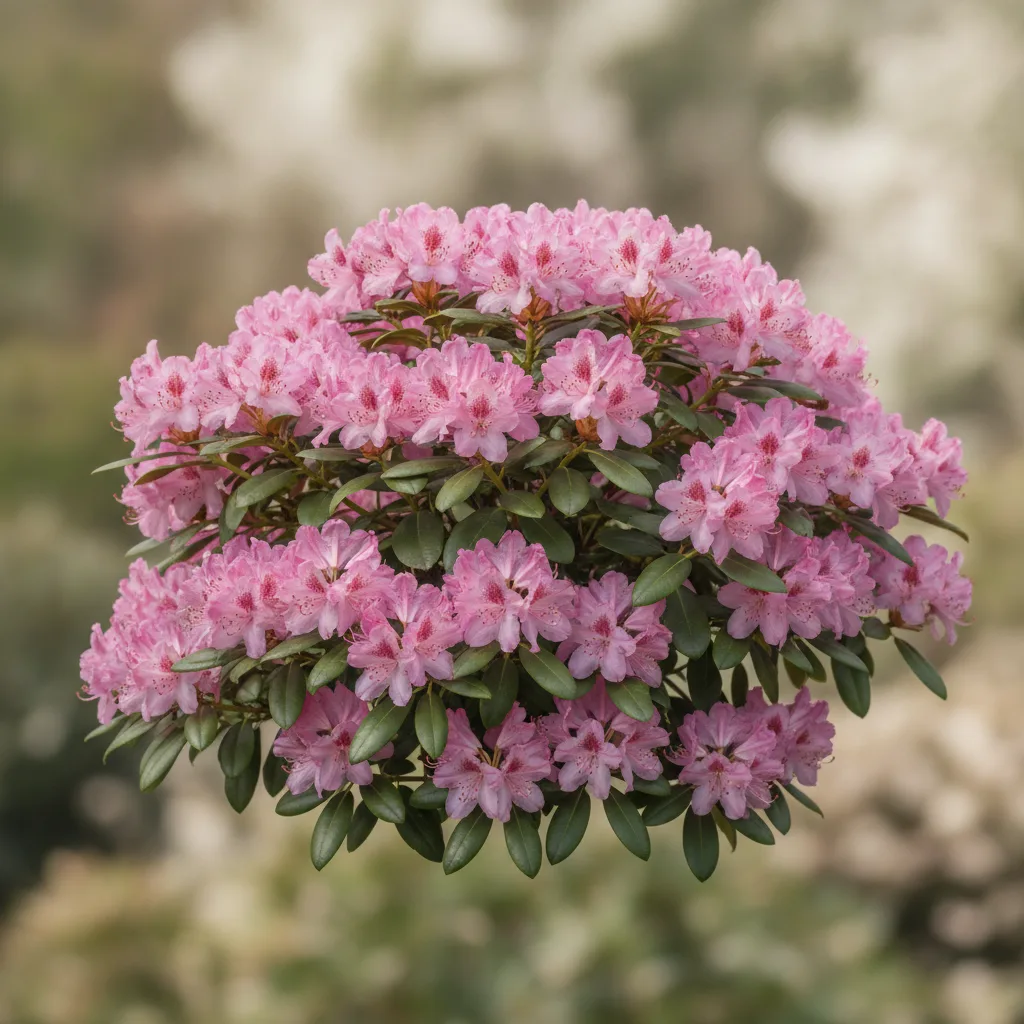 Pink Pearl Rhododendron · Rhododendron 'Pink Pearl' A much-loved cool-climate rhododendron with large conical trusses of soft rose-pink bells that fade to blush as they age. A stately spring feature. All parts contain grayanotoxins and are toxic to pets and people.
 -
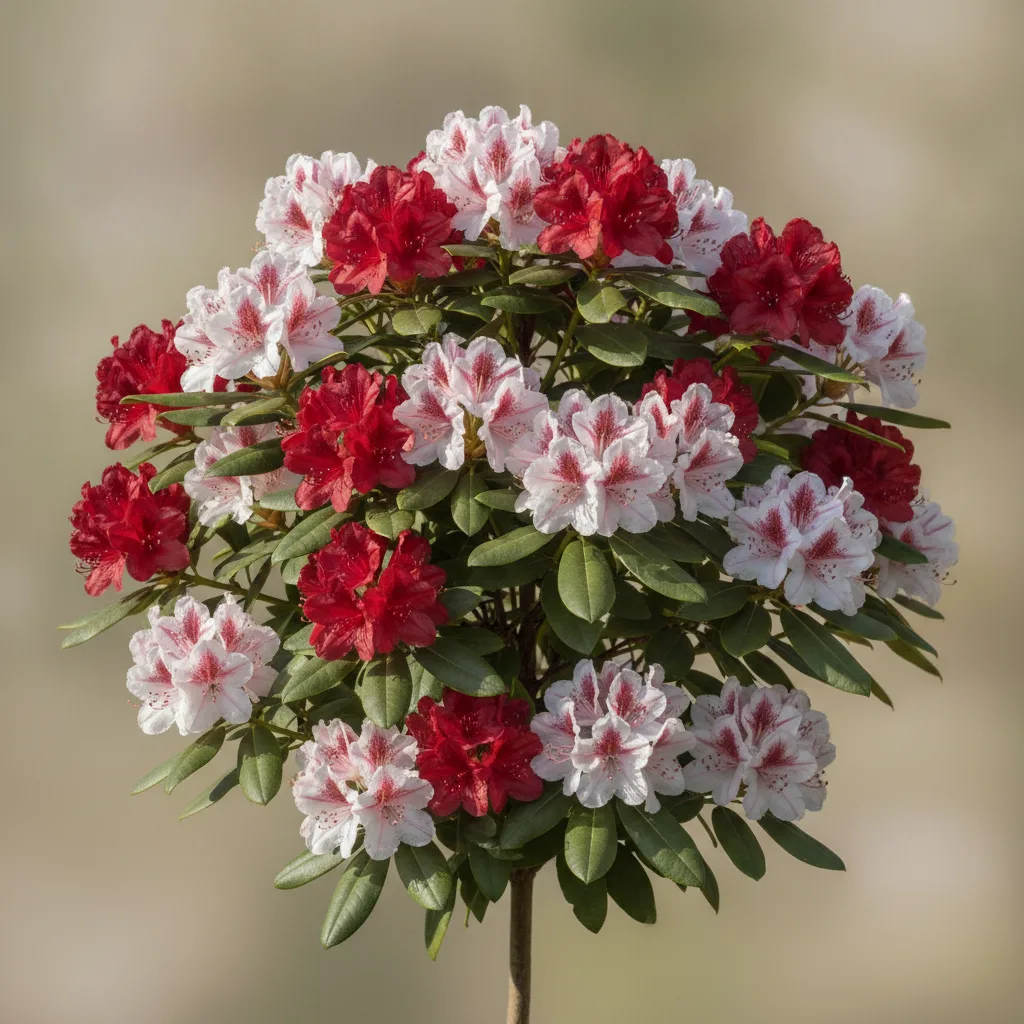 President Roosevelt Rhododendron · Rhododendron 'President Roosevelt' A distinctive rhododendron grown for both its gold-and-green variegated leaves and its red-and-white bicoloured bell flowers in spring. A standout feature shrub. All parts contain grayanotoxins and are toxic to pets and people.
 -
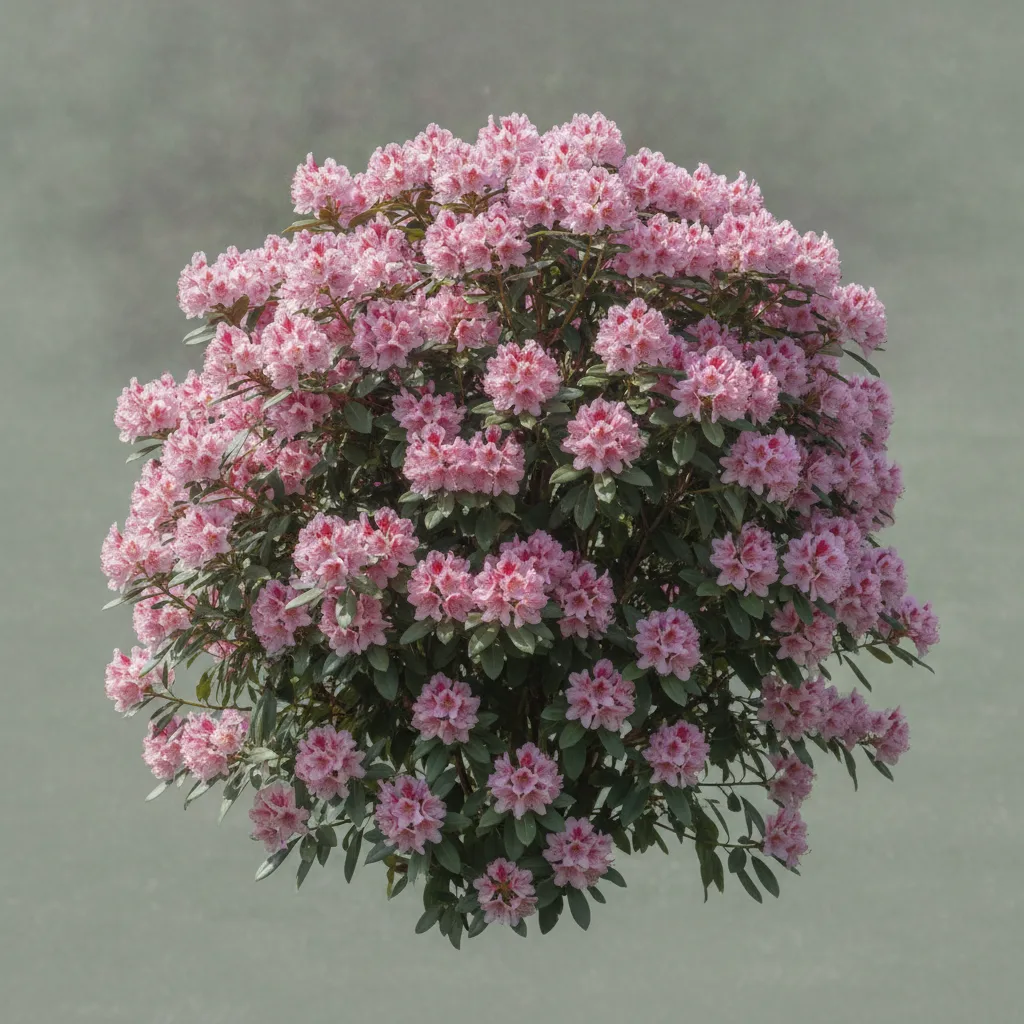 Rhododendron Cynthia · Rhododendron 'Cynthia' A vigorous old hardy-hybrid rhododendron carrying domed trusses of rosy-crimson flowers in spring above bold leathery leaves. Needs cool moist acid soil and dappled shade to thrive.
 -
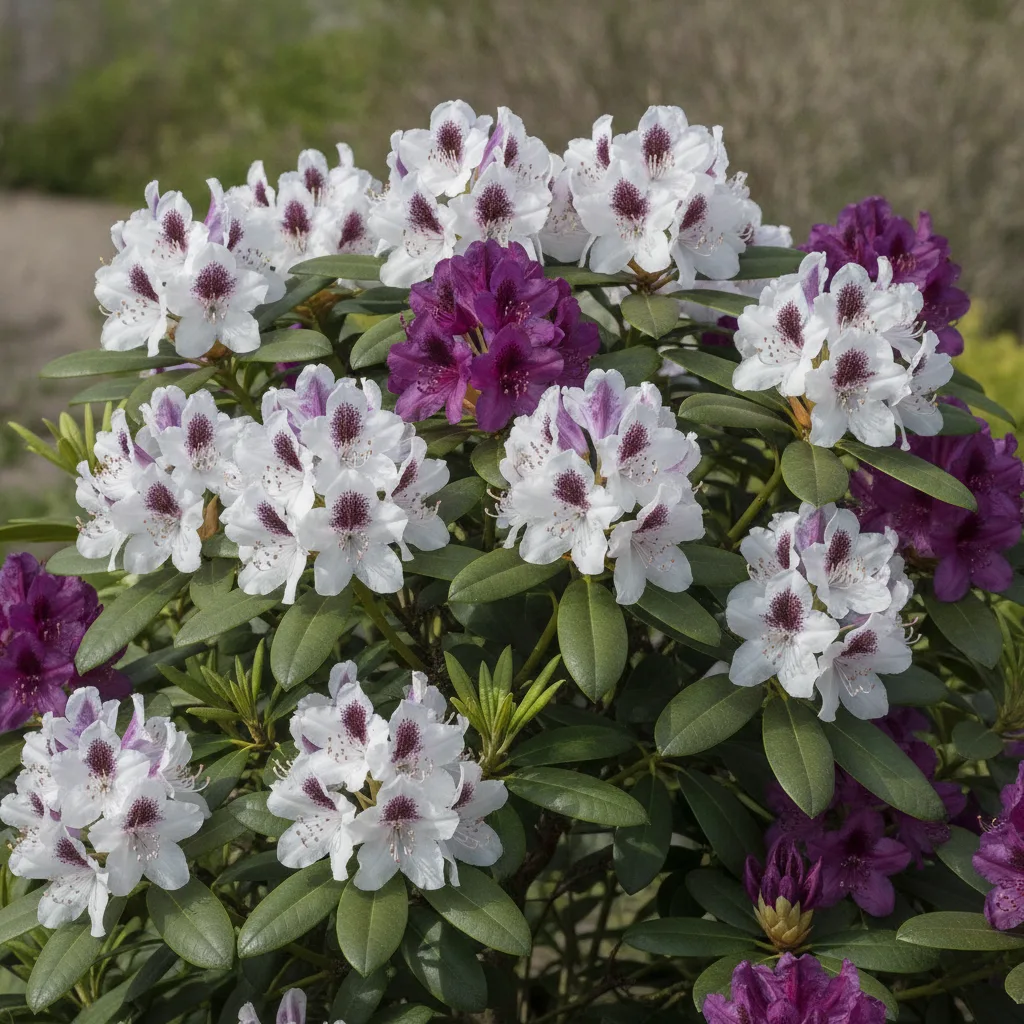 Sappho Rhododendron · Rhododendron 'Sappho' A striking cool-climate rhododendron whose mauve buds open to large white bells boldly blotched deep blackish-purple in the throat. A dramatic spring feature. All parts contain grayanotoxins and are toxic to pets and people.
 -
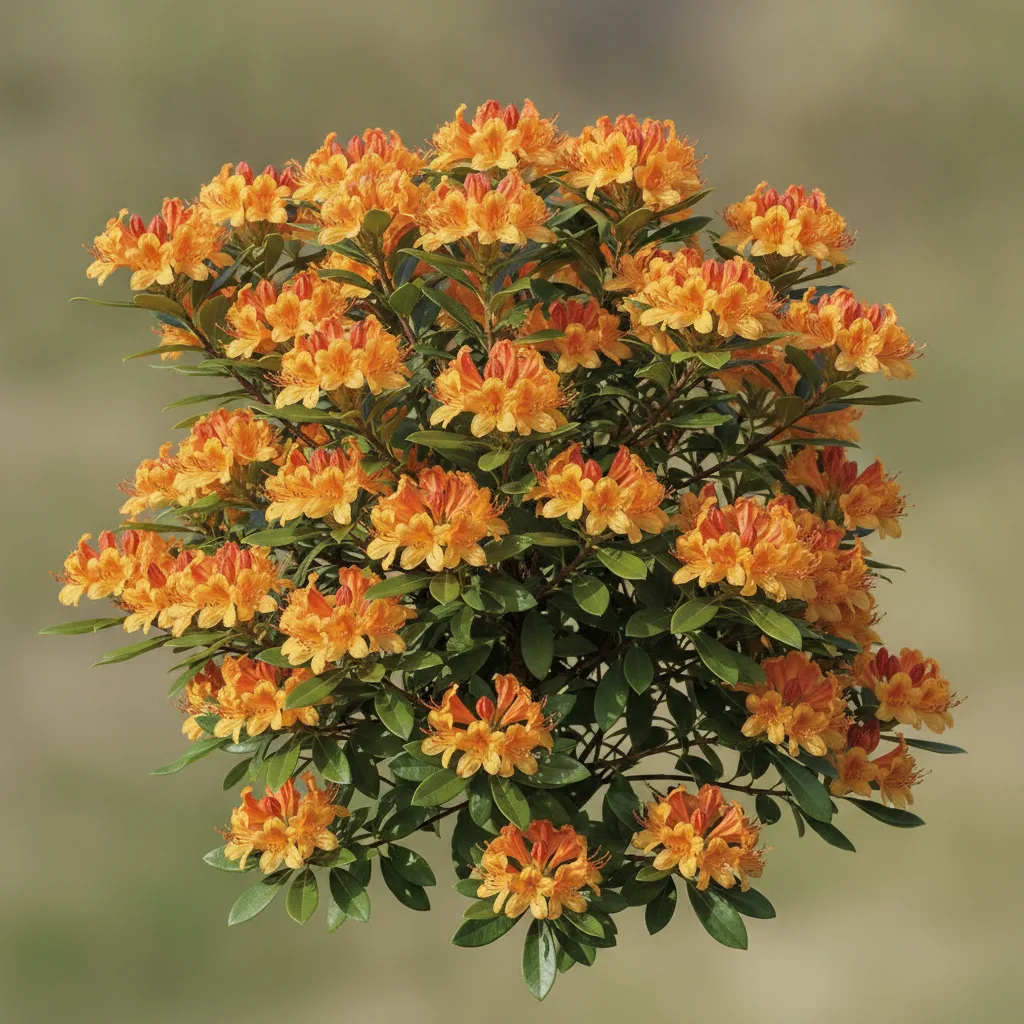 Tropic Glow Vireya · Rhododendron 'Vireya Tropic Glow' A frost-tender Vireya (tropical) rhododendron bearing waxy clusters of glowing orange-and-yellow trumpet flowers, often several times a year. Excellent in pots and frost-free gardens. All parts contain grayanotoxins and are toxic to pets and people.
 -
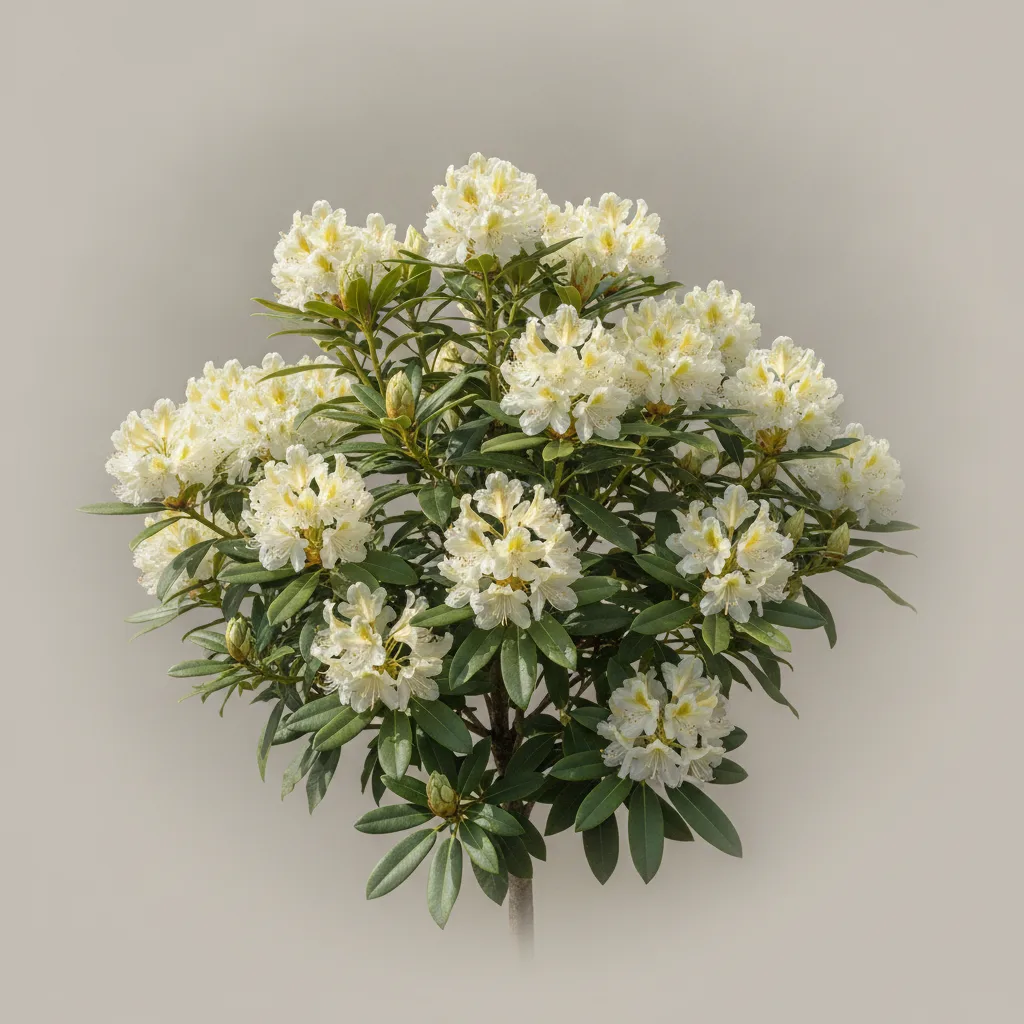 Unique Rhododendron · Rhododendron 'Unique' A compact, neatly domed rhododendron whose pink buds open to rounded trusses of creamy primrose-yellow bells in spring. A refined choice for smaller gardens. All parts contain grayanotoxins and are toxic to pets and people.
 -
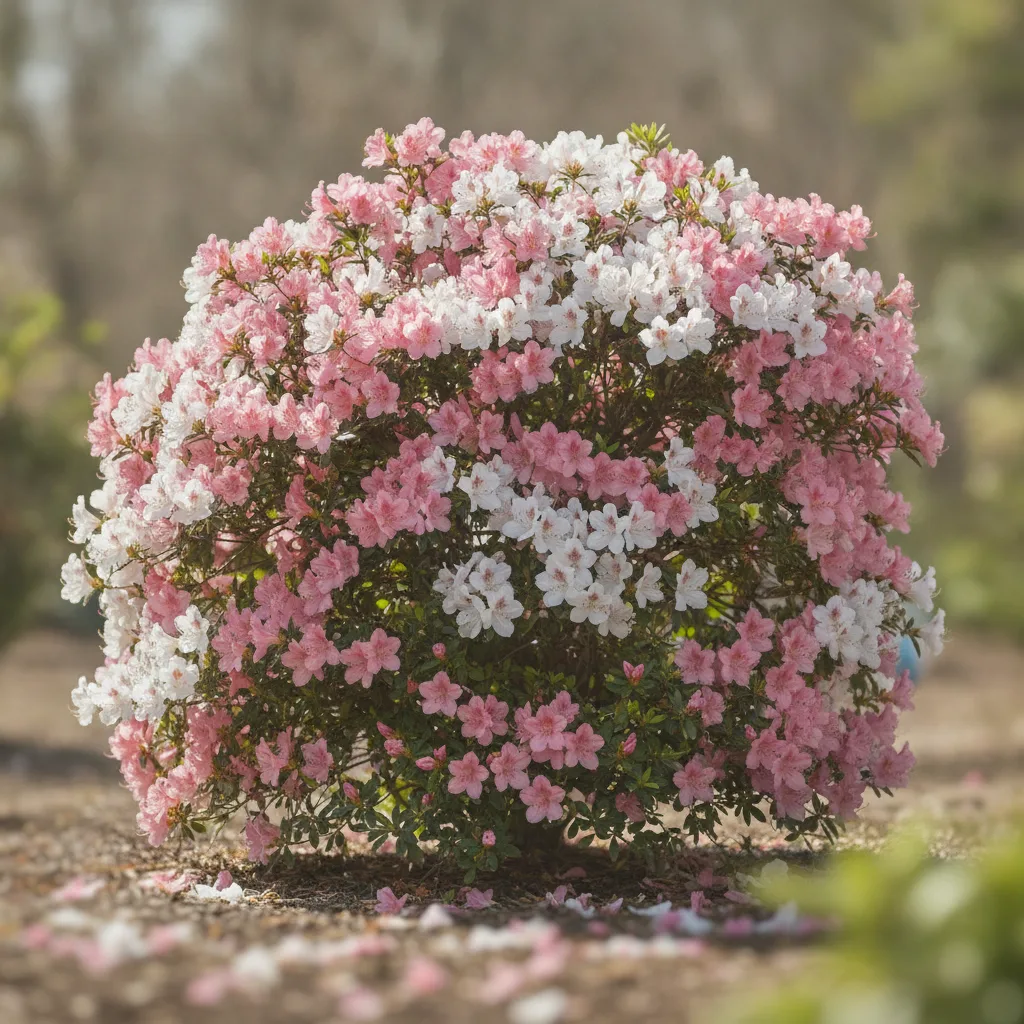 Alphonse Anderson Azalea · Rhododendron indica 'Alphonse Anderson' A favourite indica azalea with large rose-pink blooms variably striped and flecked with white, sometimes throwing solid sports. Showy in shaded beds. All parts contain grayanotoxins and are toxic to pets and people.
 -
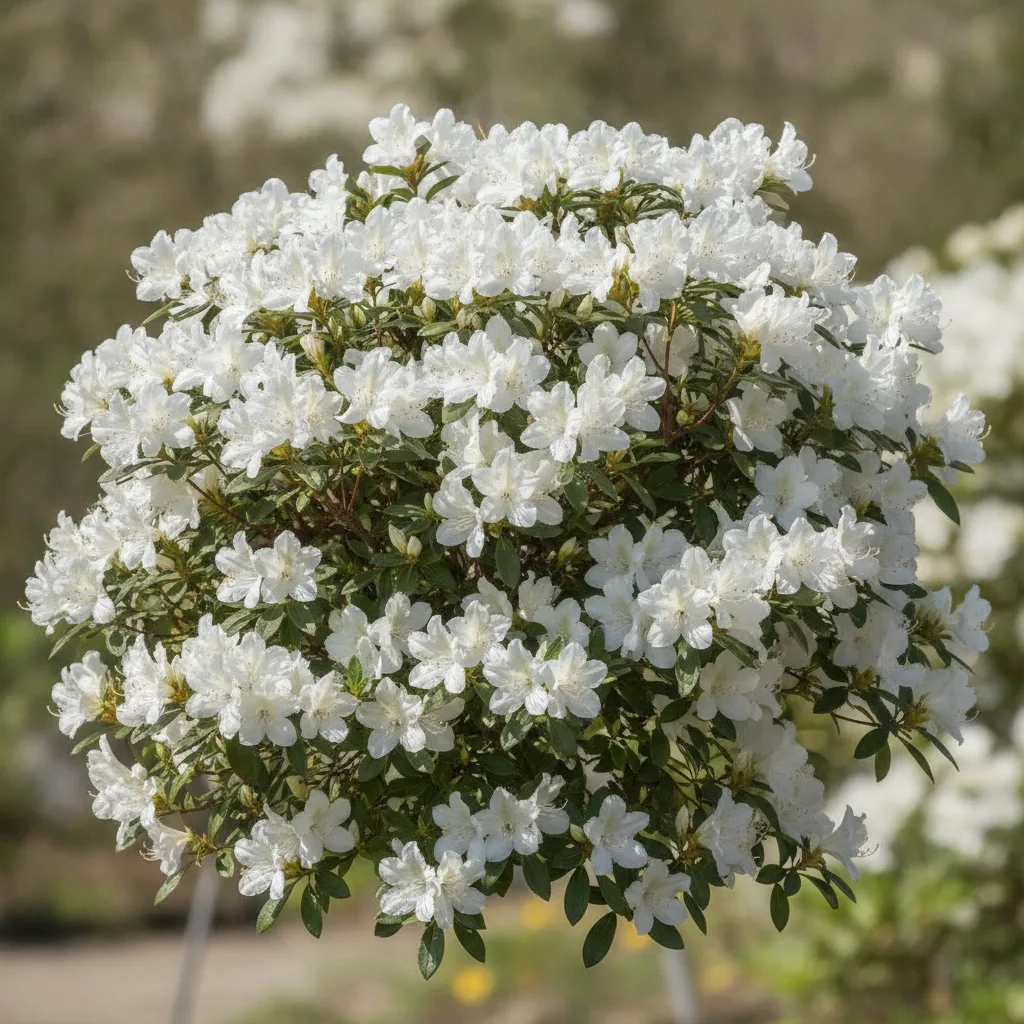 Indica Azalea · Rhododendron indica 'Alba Magna' A large evergreen Indica azalea that blankets itself in big single white trumpet flowers in spring. Loves dappled shade and acid soil; all parts are toxic if eaten.
 -
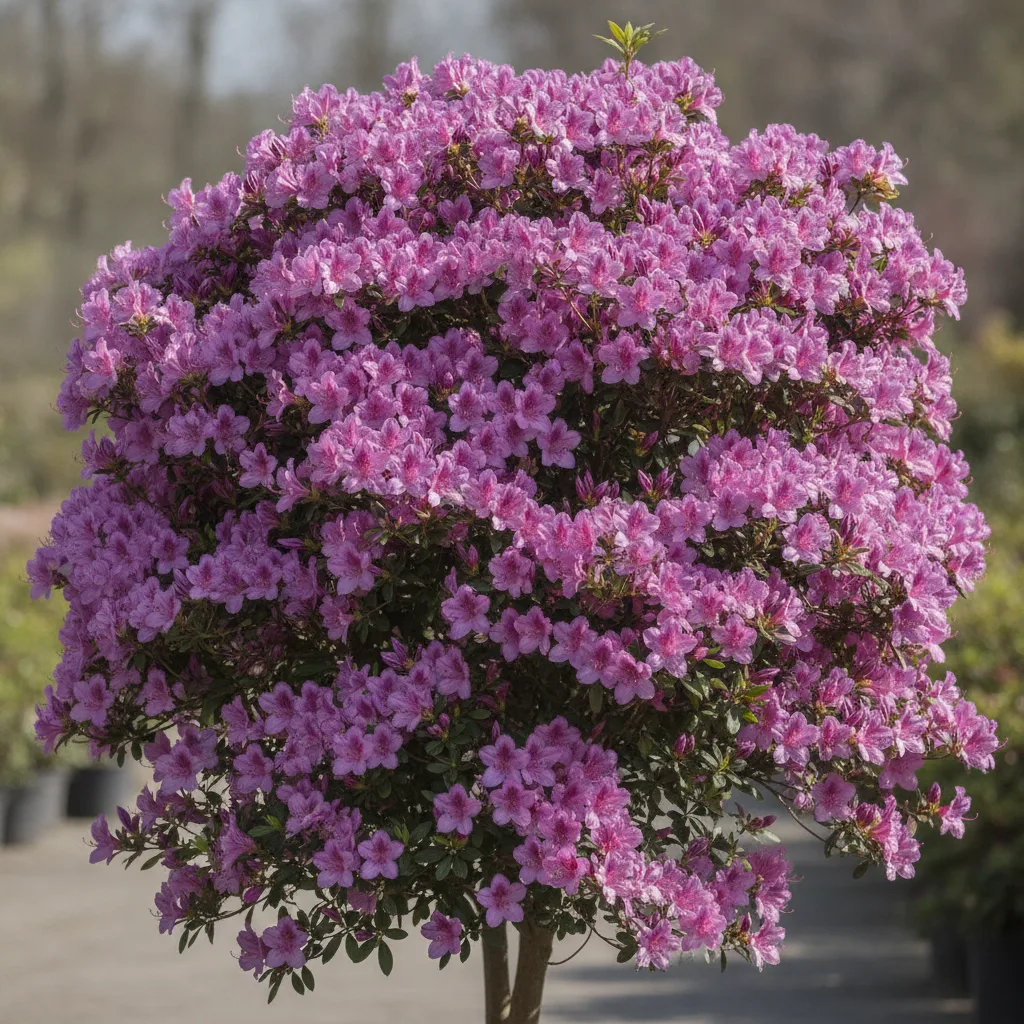 Magnifica Azalea · Rhododendron indica 'Magnifica' A tall, vigorous indica azalea with large single blooms of rosy mauve-purple in spring, useful for screening and informal hedges. All parts contain grayanotoxins and are toxic to pets and people.
 -
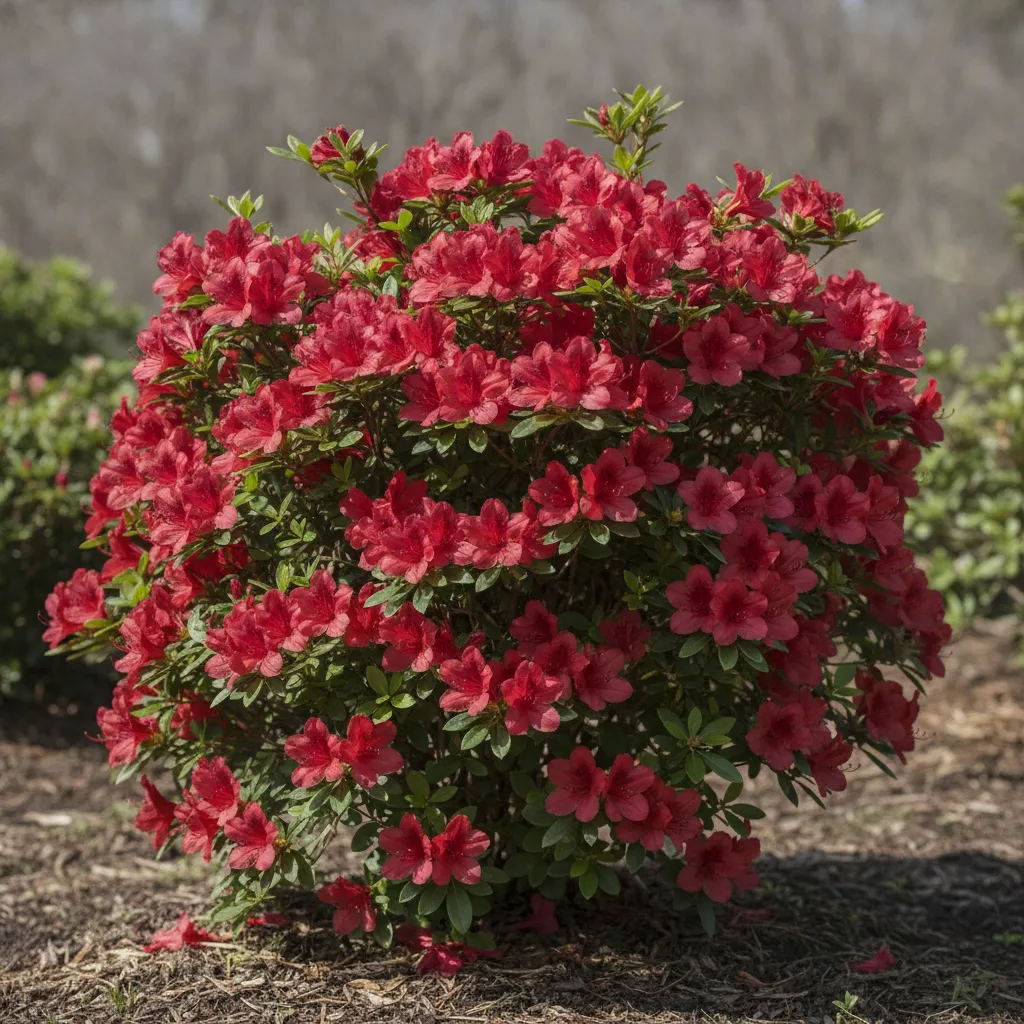 Red Wing Azalea · Rhododendron indica 'Red Wing' An indica azalea with large, frilled bright red blooms making a bold spring display in shaded gardens. Excellent as a feature or low hedge. All parts contain grayanotoxins and are toxic to pets and people.
 -
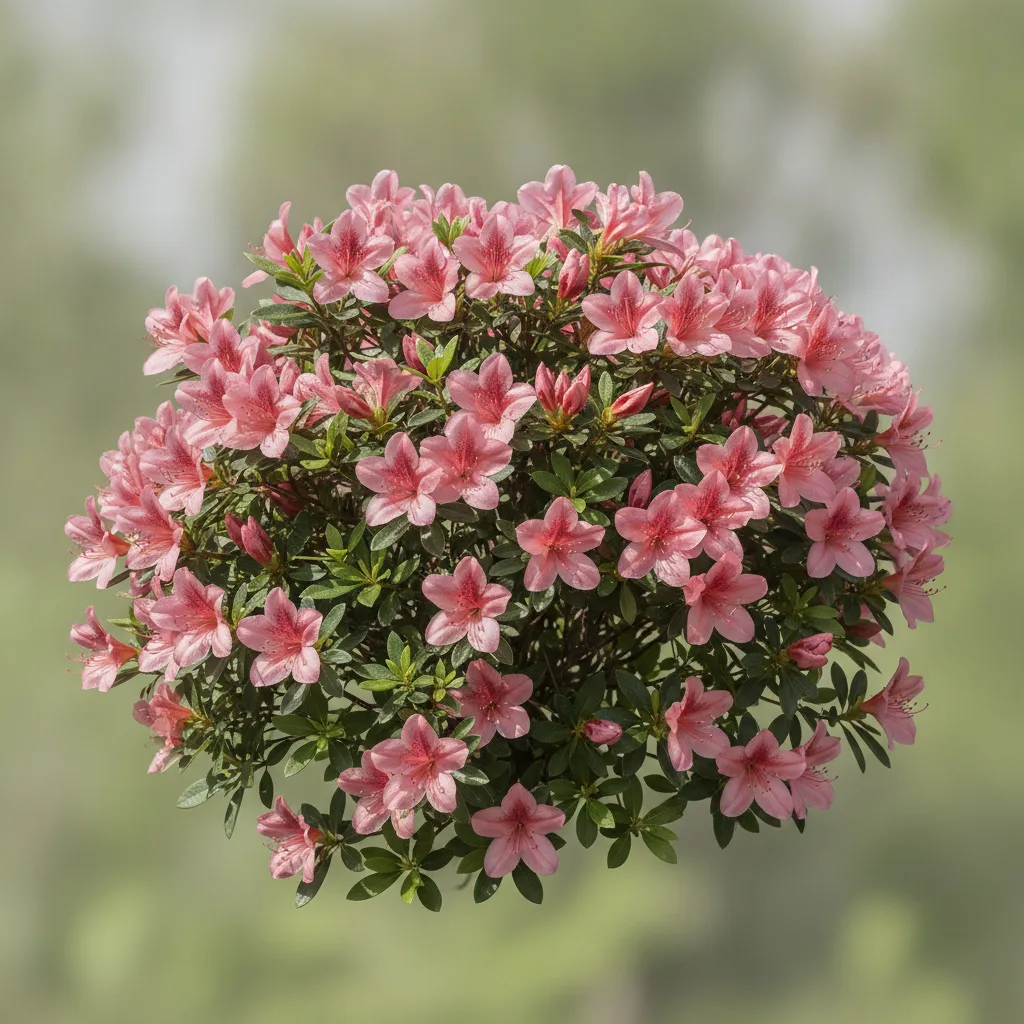 Rose Queen Azalea · Rhododendron indica 'Rose Queen' An indica azalea bearing large, hose-in-hose deep rose-pink blooms with a delicate ruffled edge in spring. A long-popular feature and hedging azalea. All parts contain grayanotoxins and are toxic to pets and people.
 -
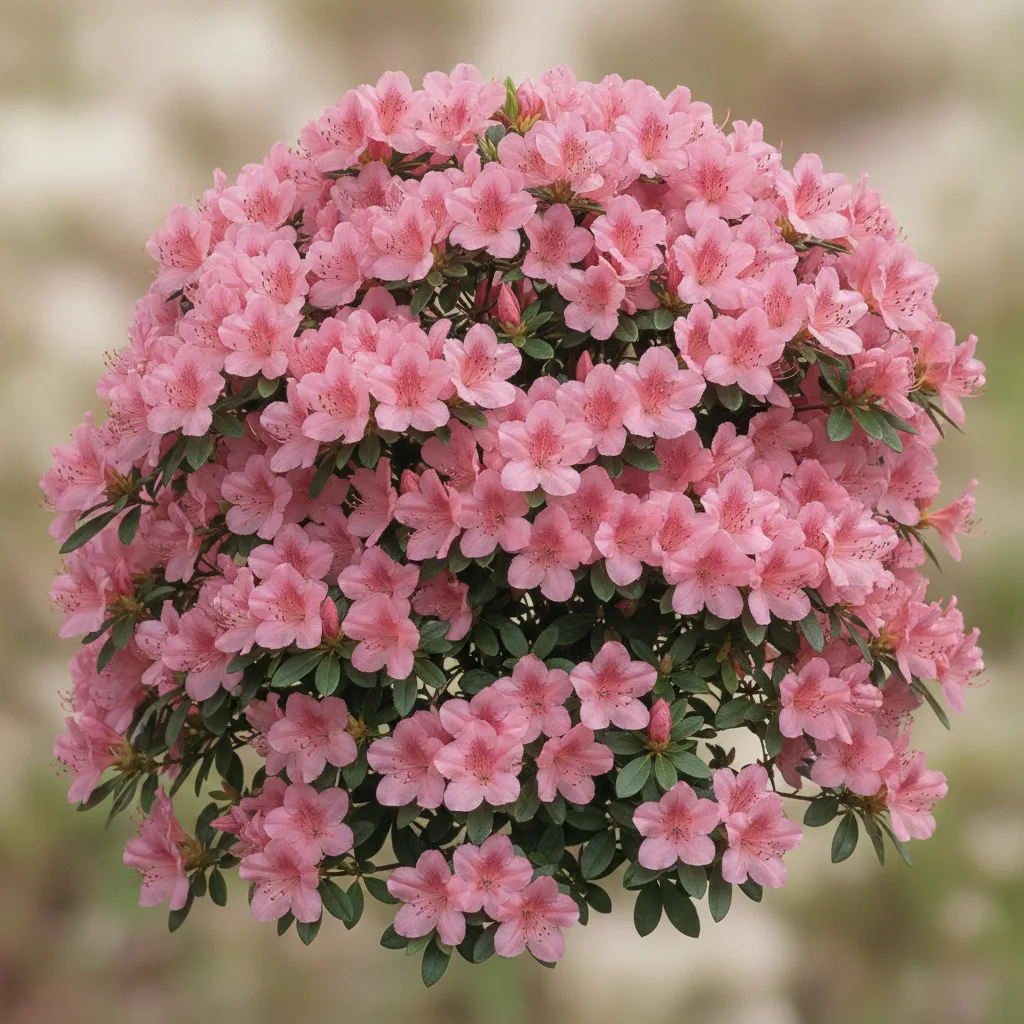 Splendens Azalea · Rhododendron indica 'Splendens' A vigorous indica azalea covered in large single blooms of glowing mauve-pink in spring. Reliable and showy for shaded hedges and feature beds. All parts contain grayanotoxins and are toxic to pets and people.
 -
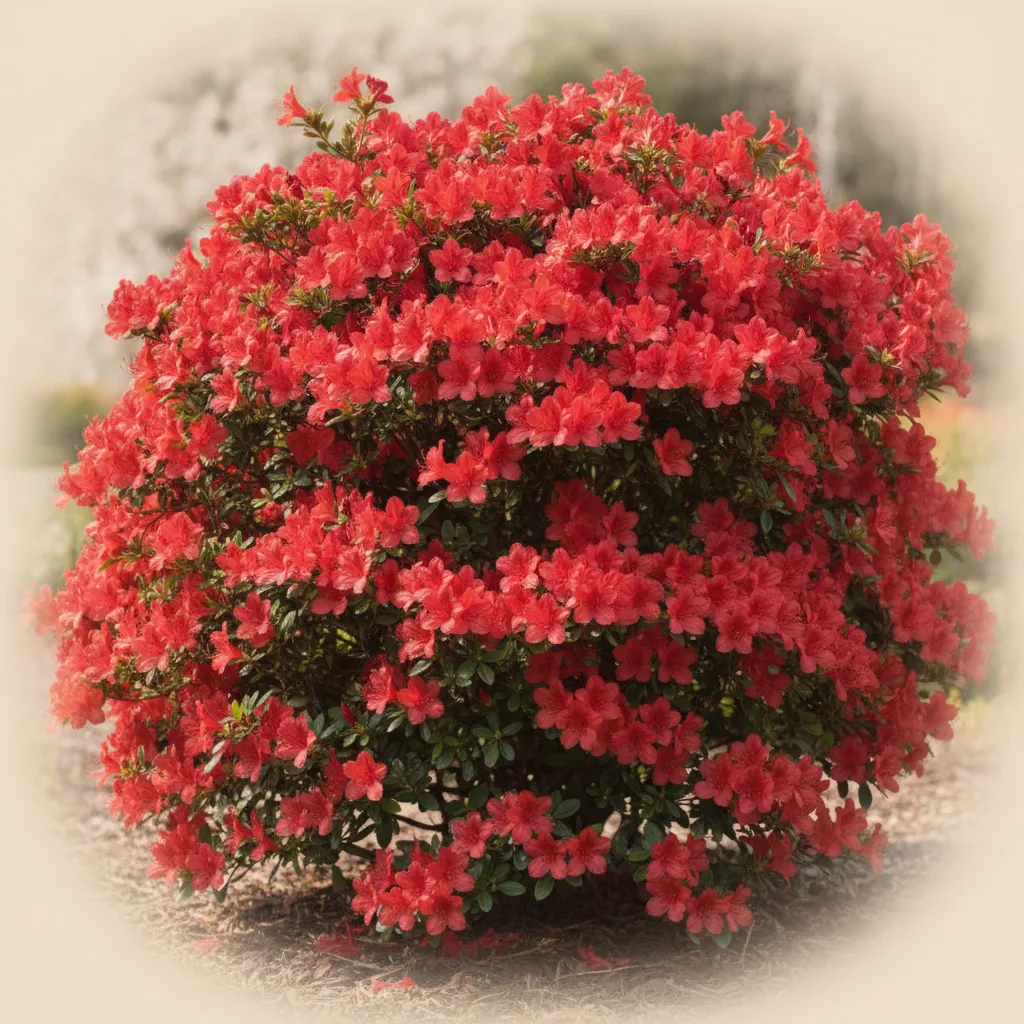 Hino Crimson Azalea · Rhododendron kurume 'Hino Crimson' A compact kurume azalea smothered in small, single brilliant crimson-red flowers in spring on a dense, low bush. Superb for low hedges and pots. All parts contain grayanotoxins and are toxic to pets and people.
 -
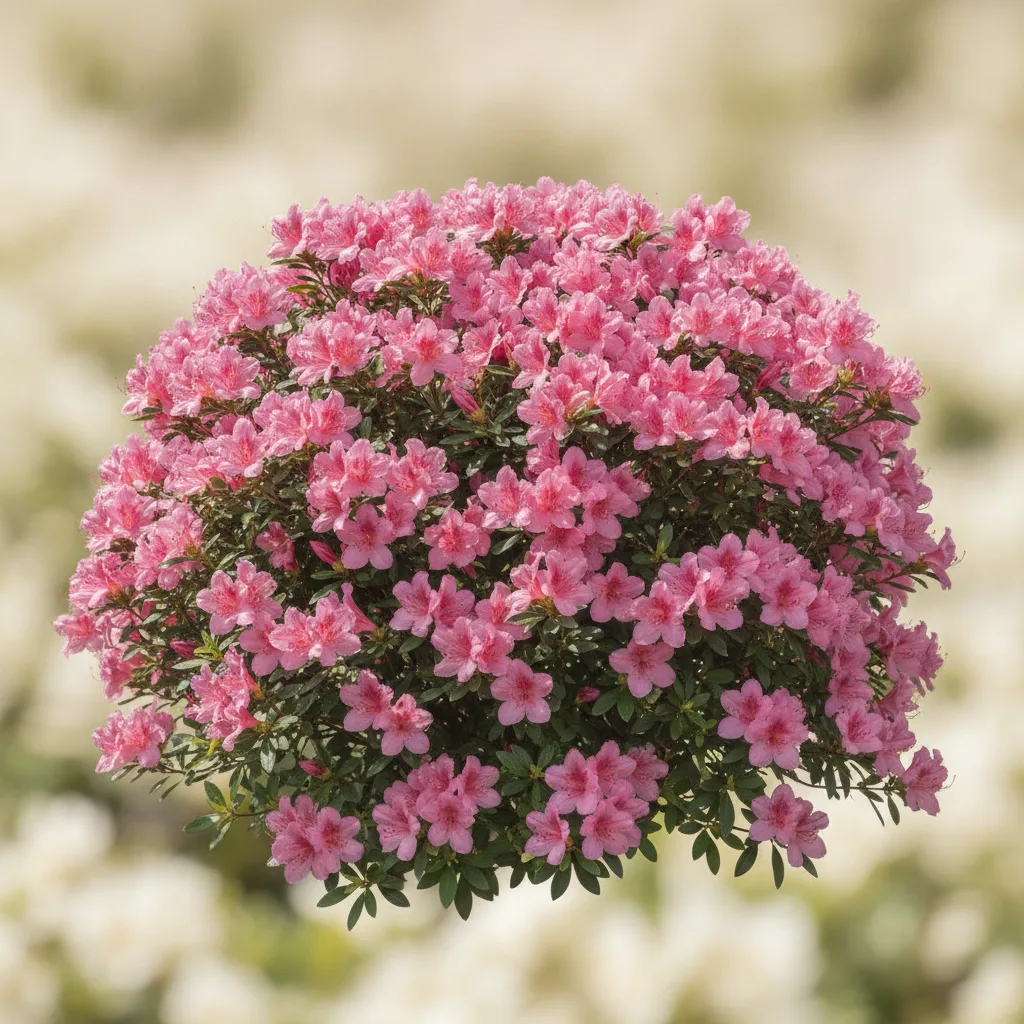 Kirin Azalea · Rhododendron kurume 'Kirin' A dainty kurume azalea with masses of small, hose-in-hose deep rose-pink blooms with paler centres on a neat, twiggy bush. Lovely in pots and low edging. All parts contain grayanotoxins and are toxic to pets and people.
 -
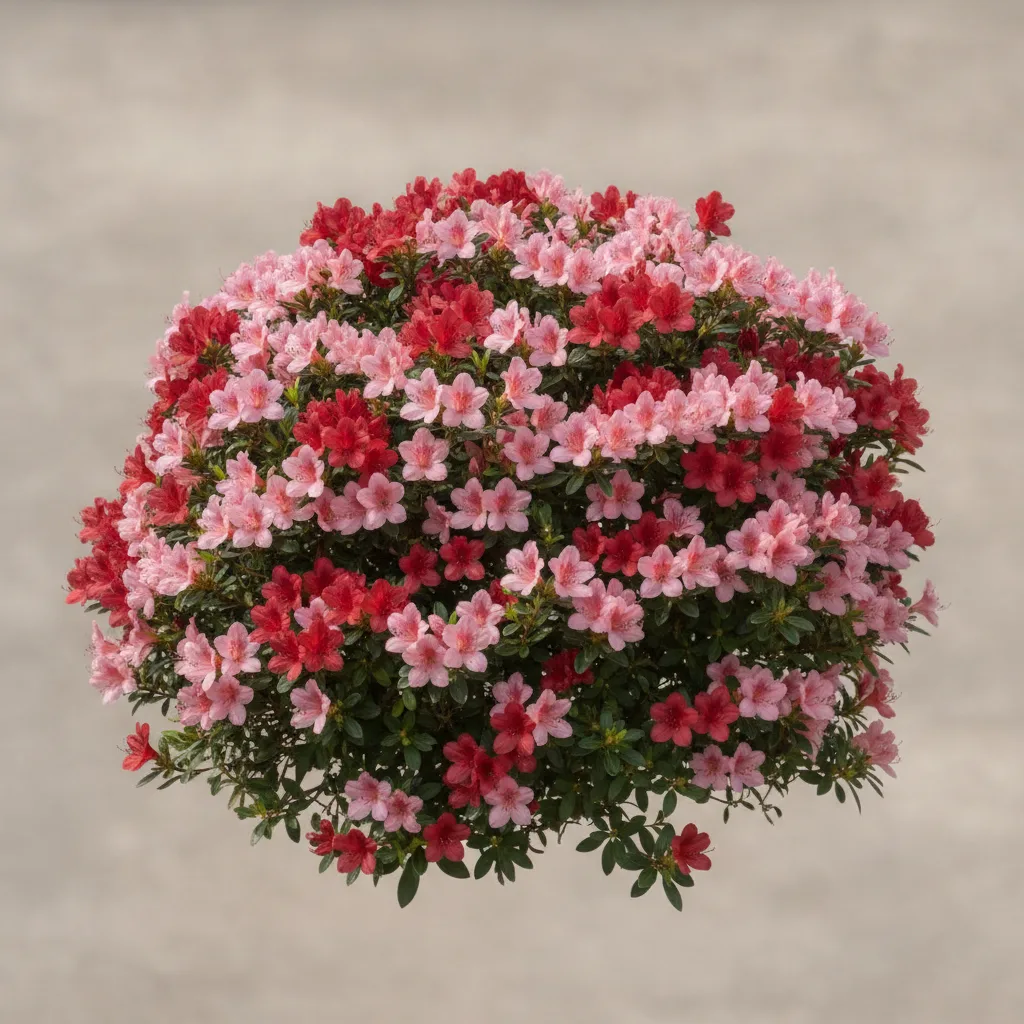 Kurume Christmas Cheer Azalea · Rhododendron kurume 'Christmas Cheer' A compact kurume azalea smothered in small, double hose-in-hose blooms of bright rose-red on a dense, low bush. Excellent for pots and low hedges. All parts contain grayanotoxins and are toxic to pets and people.
 -
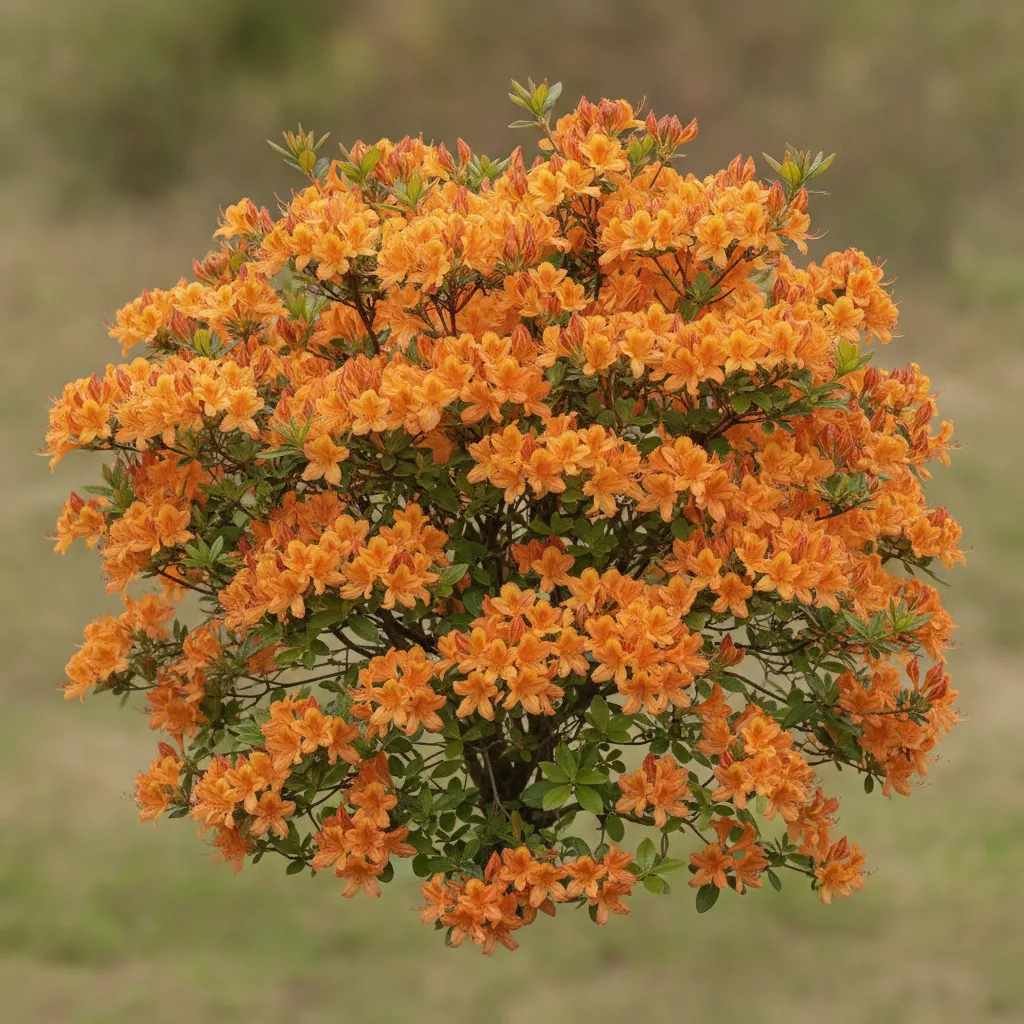 Christopher Wren Azalea · Rhododendron mollis 'Christopher Wren' A deciduous mollis azalea with large golden-yellow blooms flushed orange, carried in showy trusses in spring before rich autumn leaf colour. All parts contain grayanotoxins and are toxic to pets and people.
 -
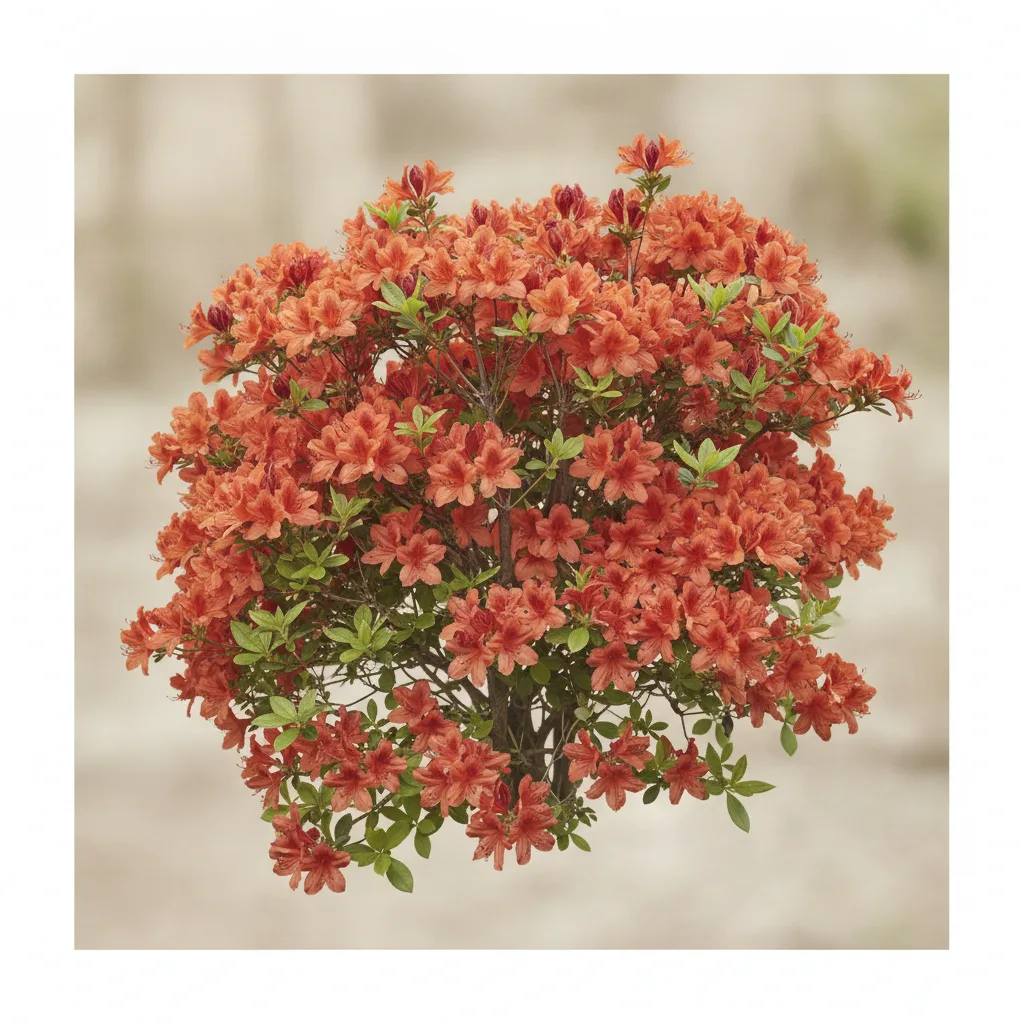 Dr M. Oosthoek Azalea · Rhododendron mollis 'Dr M. Oosthoek' A deciduous mollis azalea bearing bold trusses of deep orange-red trumpet blooms on bare branches in spring, followed by rich autumn foliage. All parts contain grayanotoxins and are toxic to pets and people.
 -
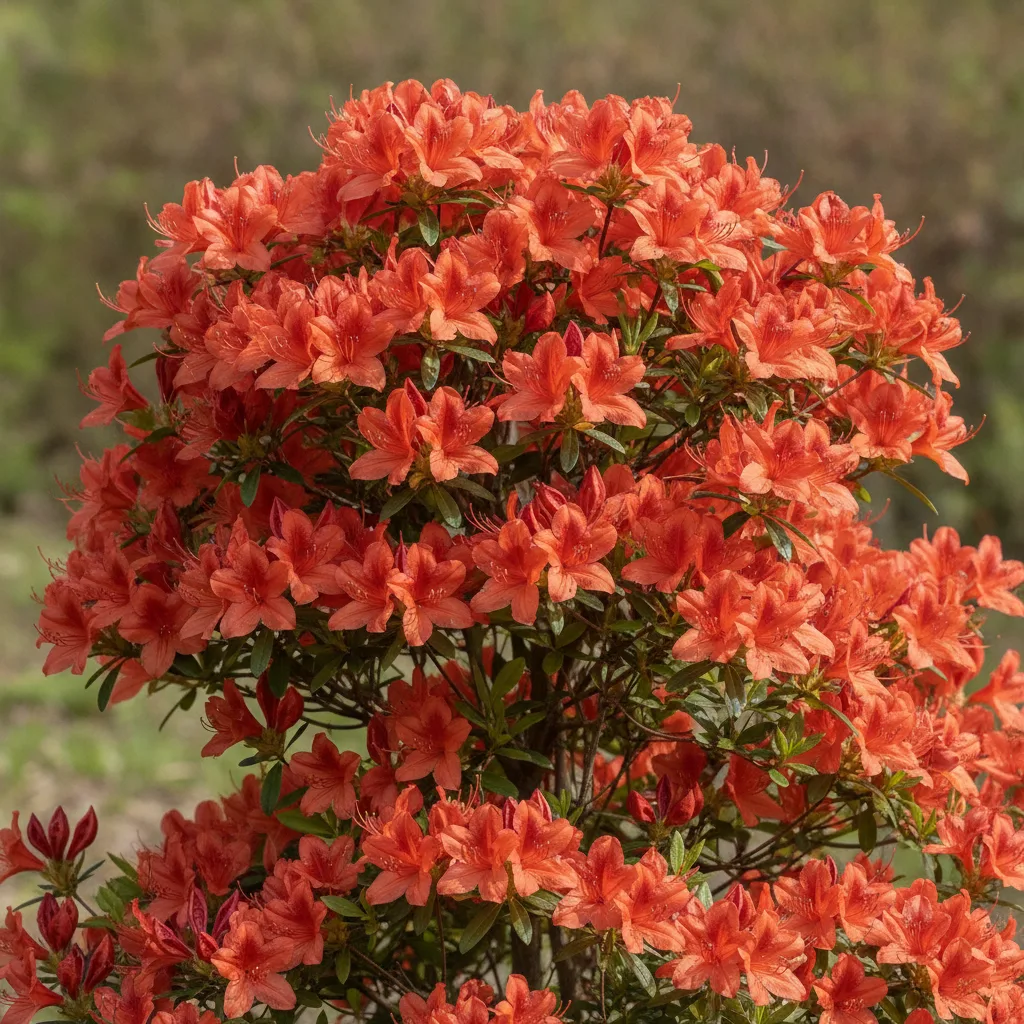 Koster's Brilliant Red Azalea · Rhododendron mollis 'Koster's Brilliant Red' A deciduous mollis azalea bearing trusses of glowing orange-red trumpet blooms on bare stems in spring, followed by fiery autumn foliage. A cold-climate favourite. All parts contain grayanotoxins and are toxic to pets and people.
 -
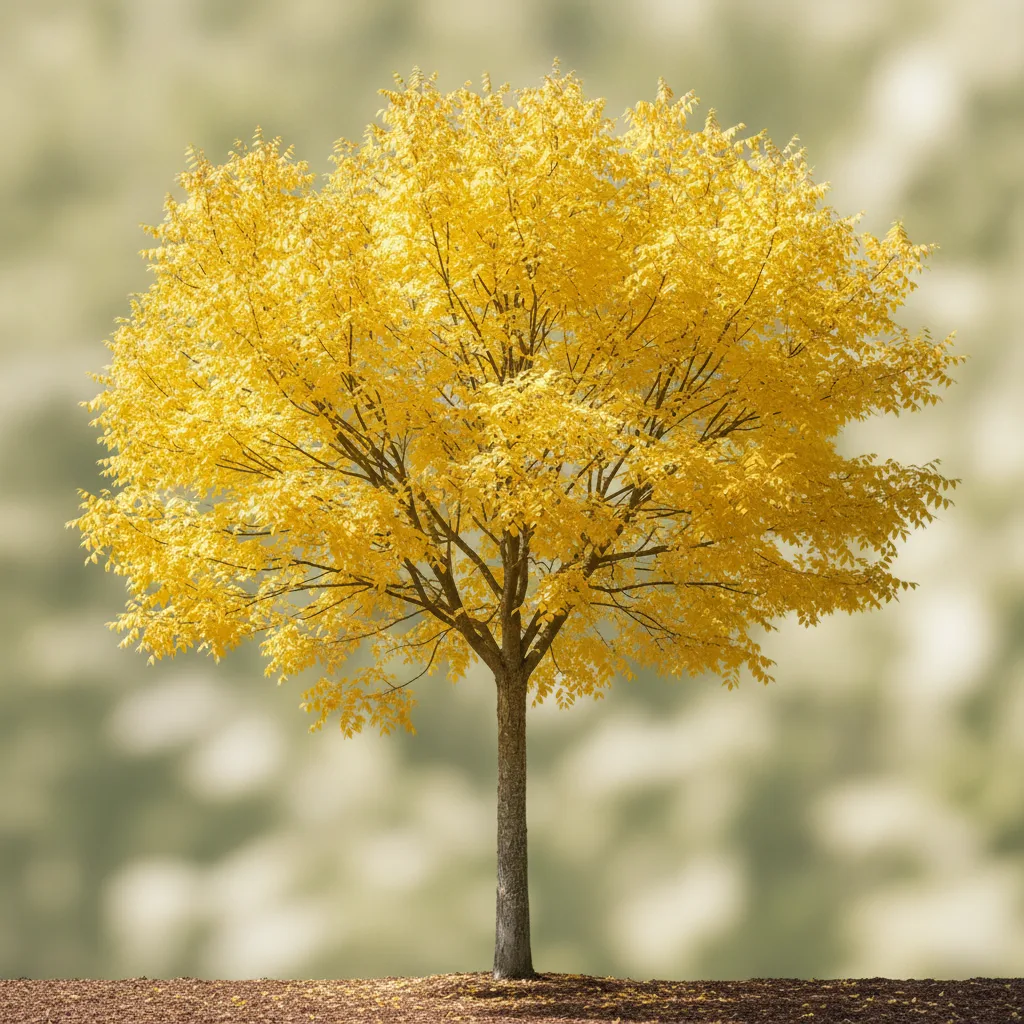 Golden Robinia · Robinia pseudoacacia 'Frisia' A fast-growing tree whose pinnate foliage glows golden-yellow from spring through summer before turning amber in autumn, lighting up the garden. Tough and tolerant of poor soils.
 -
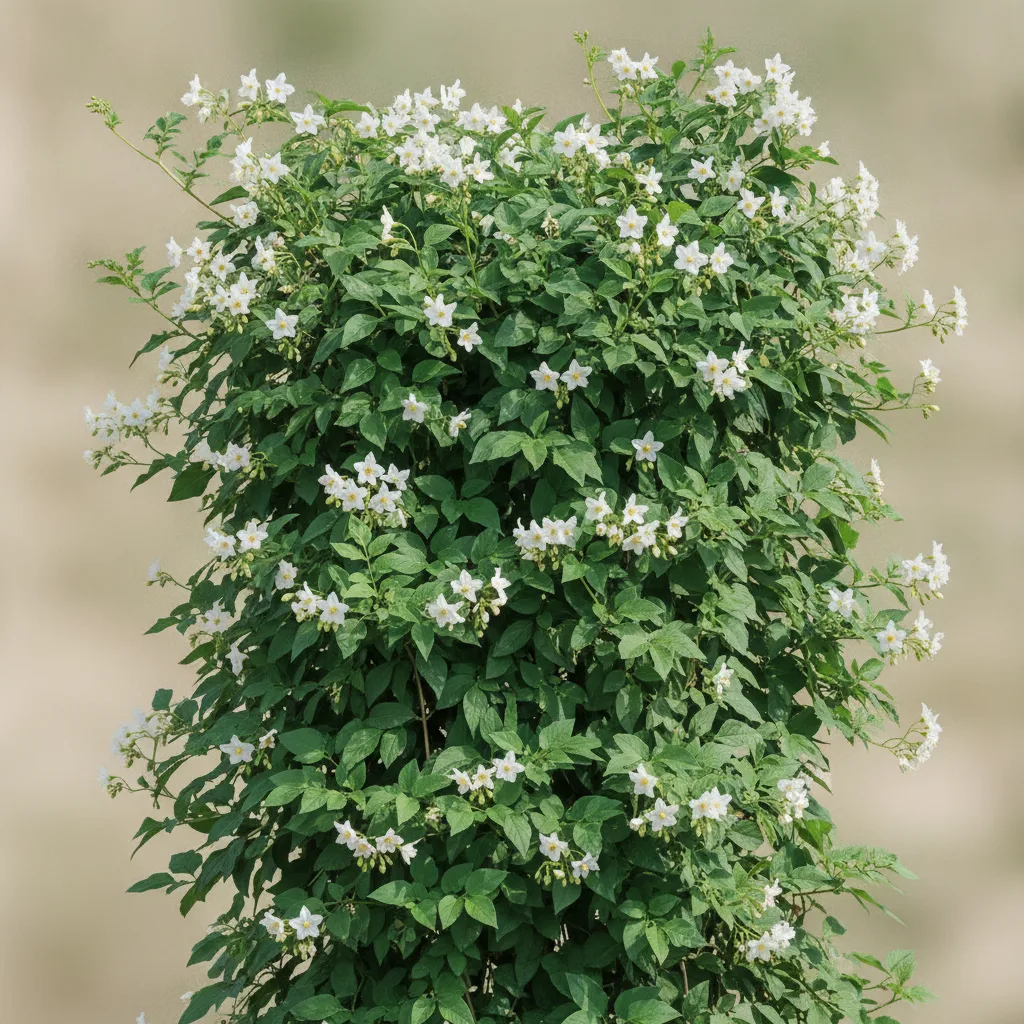 Potato Vine · Solanum laxum A fast, scrambling evergreen climber that produces near-constant clusters of starry white flowers with golden centres. A quick, soft screen for fences, though all parts are mildly toxic if eaten.
 -
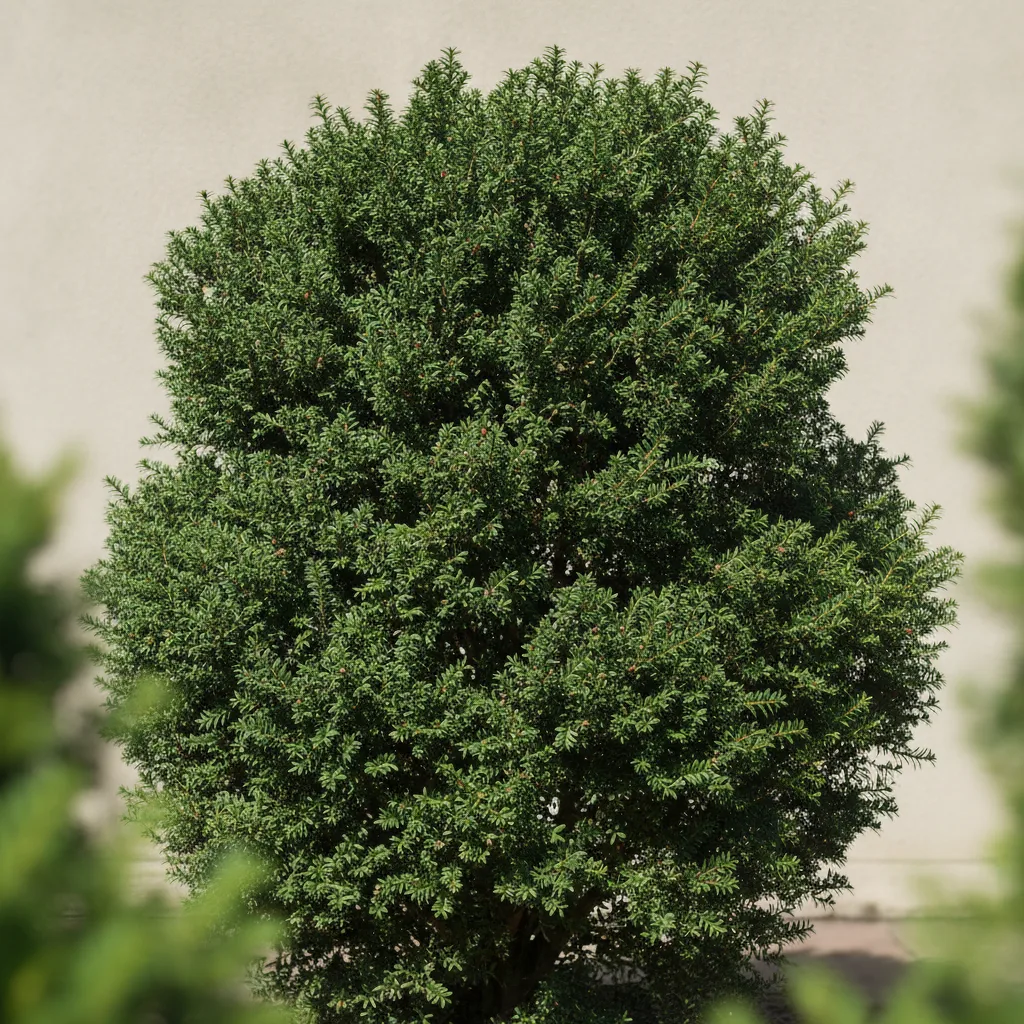 English Yew · Taxus baccata A dense, dark-green conifer that tolerates hard clipping, making it the classic choice for formal hedges and topiary. All parts except the red aril are highly toxic to people and pets if eaten.
 -
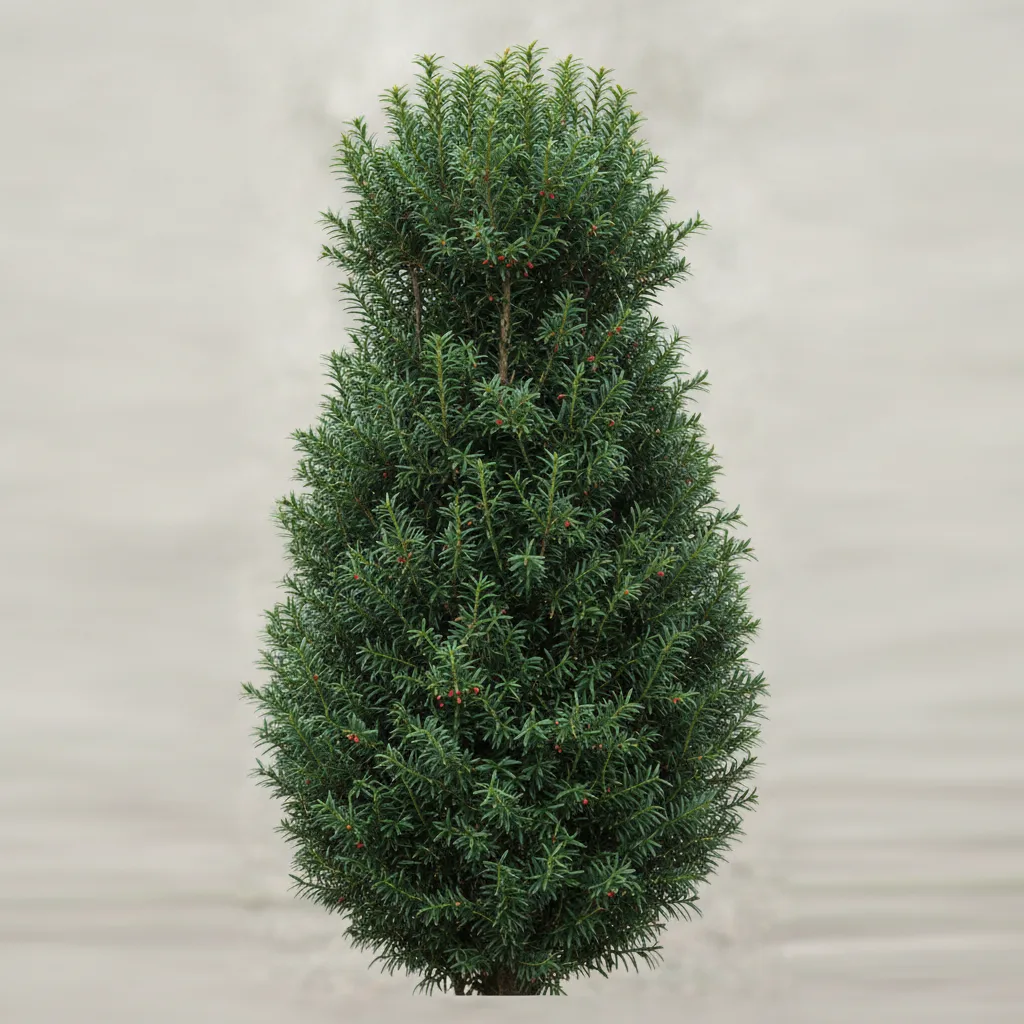 Irish Yew · Taxus baccata 'Fastigiata' A strongly upright, columnar yew with dark green foliage forming a dense vertical pillar. A formal accent and clipping plant, though all parts except the aril are toxic if ingested.
 -
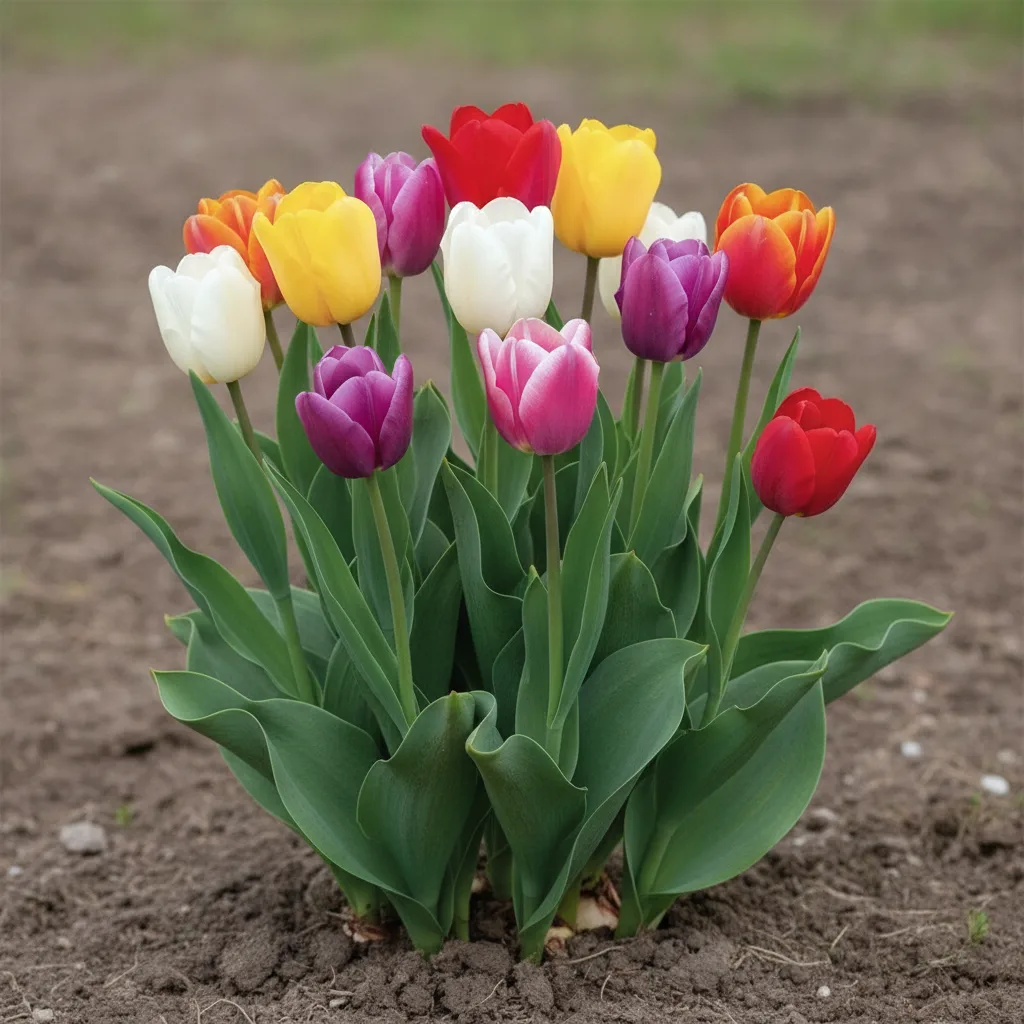 Tulip · Tulipa gesneriana The quintessential spring bulb, opening to chalices of every colour after a cold winter chill. In warm Australian climates bulbs need pre-chilling and are best treated as annuals; toxic if eaten.
 -
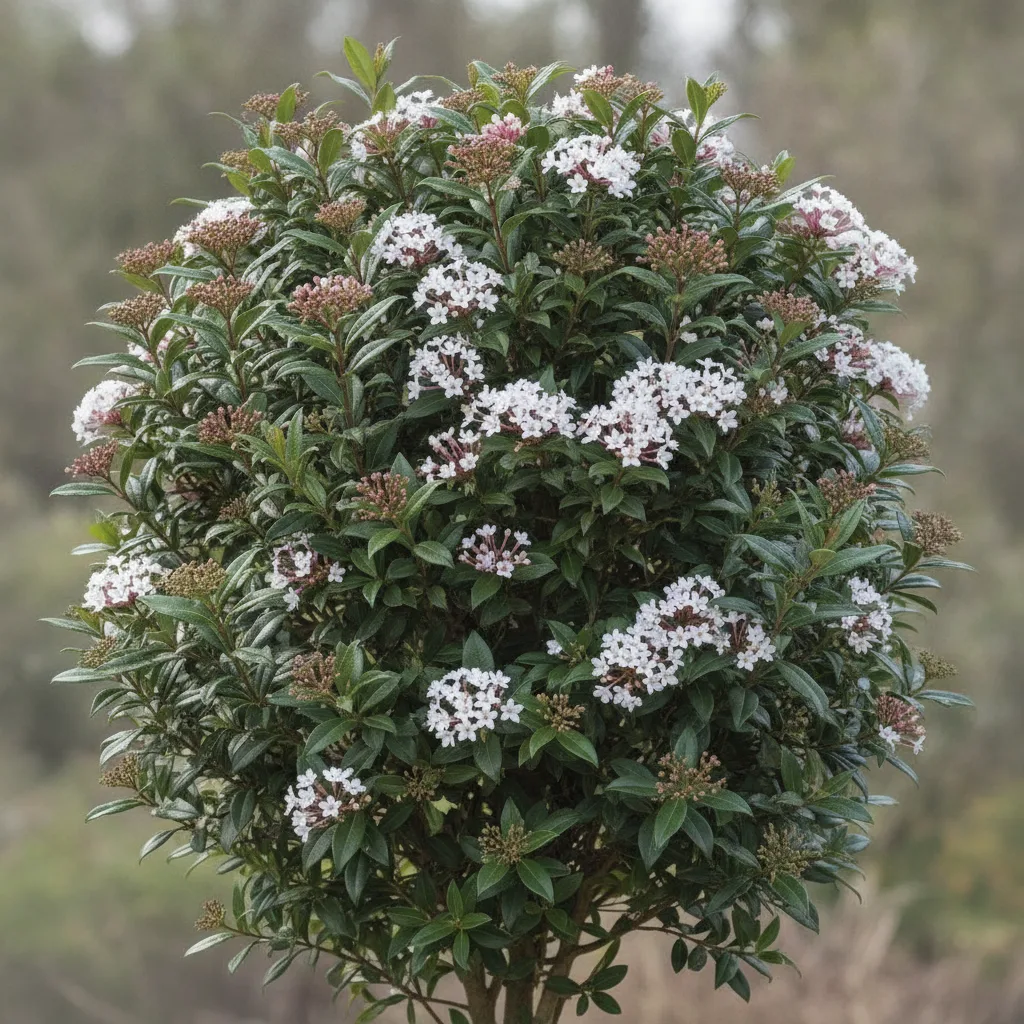 Laurustinus · Viburnum tinus 'Lucidum' · from $17.95 A dense, hardy evergreen valued for clusters of pink buds opening to white flowers in winter and spring, followed by blue-black berries. A dependable frost-tolerant hedge or screen.
 -
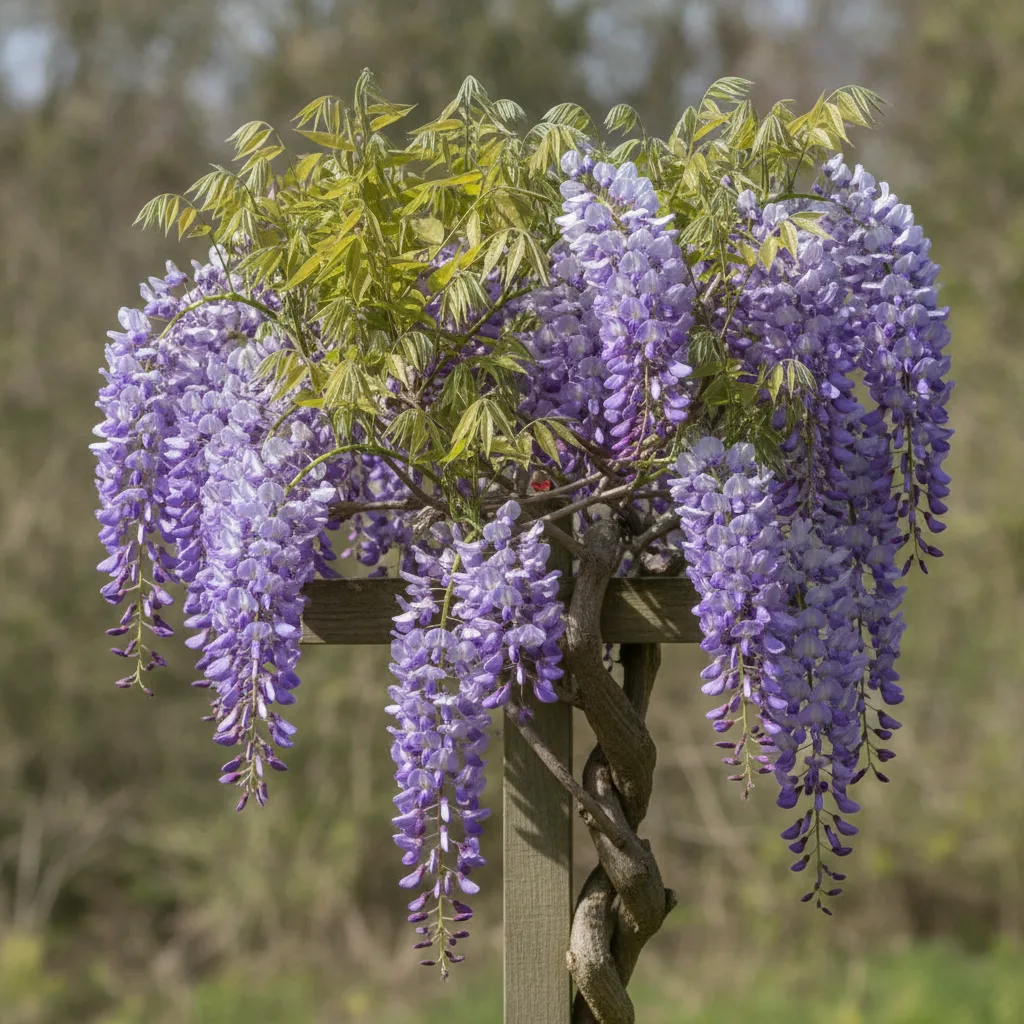 Japanese Wisteria · Wisteria floribunda A graceful deciduous climber renowned for its exceptionally long, fragrant violet-blue flower racemes that open progressively from the base in spring as the fresh foliage unfurls. A breathtaking pergola plant.
 -
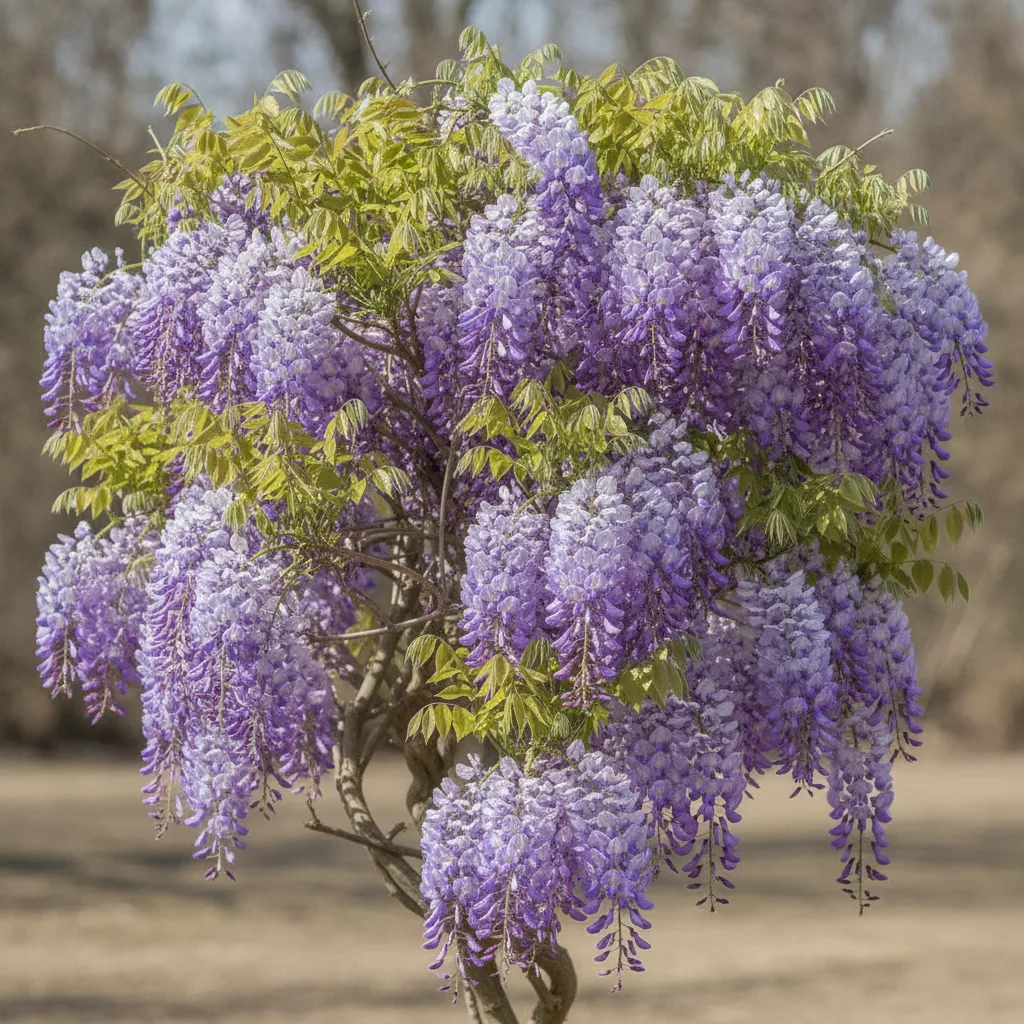 Chinese Wisteria · Wisteria sinensis A spectacular deciduous twining vine that drips with long, fragrant pendulous racemes of mauve-blue pea flowers before the leaves emerge in spring. Vigorous and long-lived, it demands a sturdy support.
 -
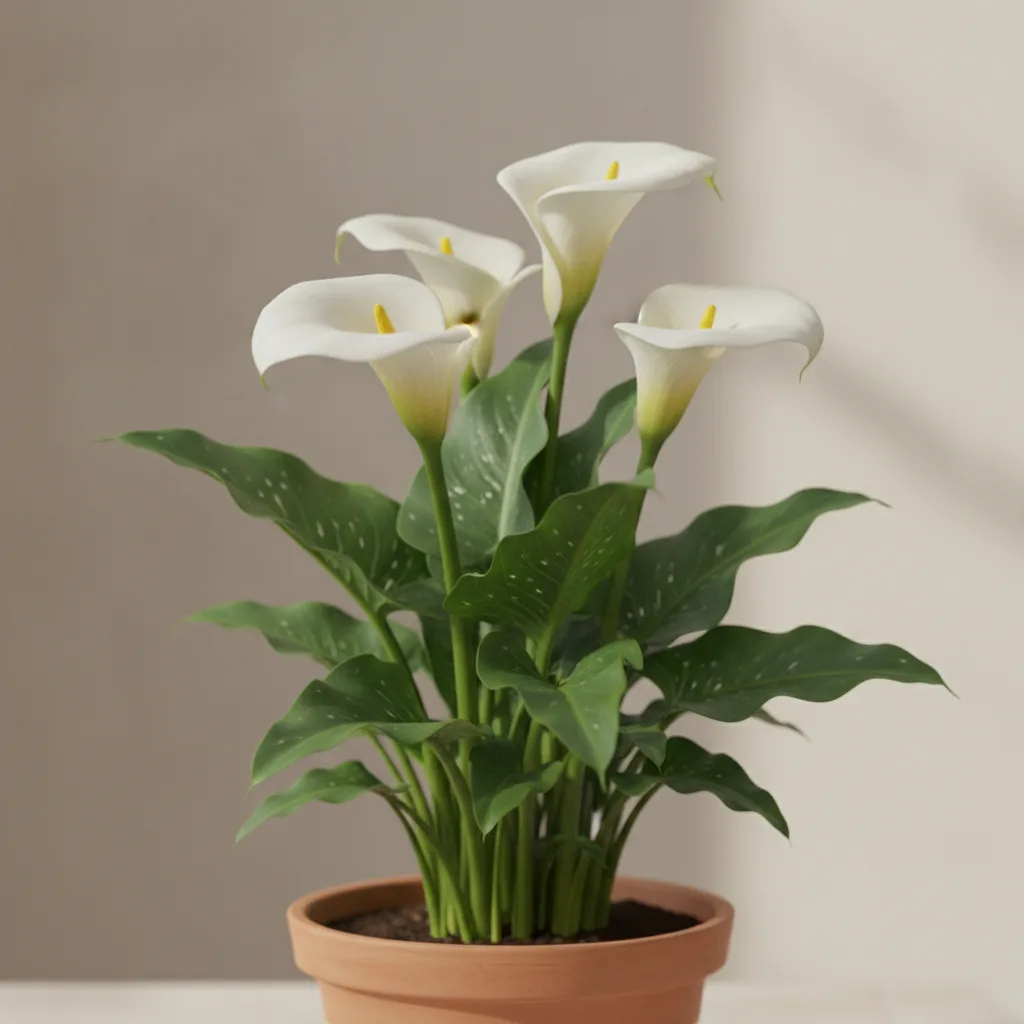 Calla Lily · Zantedeschia aethiopica Elegant white spathes curl around a yellow spadix above glossy arrow-shaped leaves, thriving in boggy ground. A serious environmental weed in parts of Australia and toxic to pets and people.